

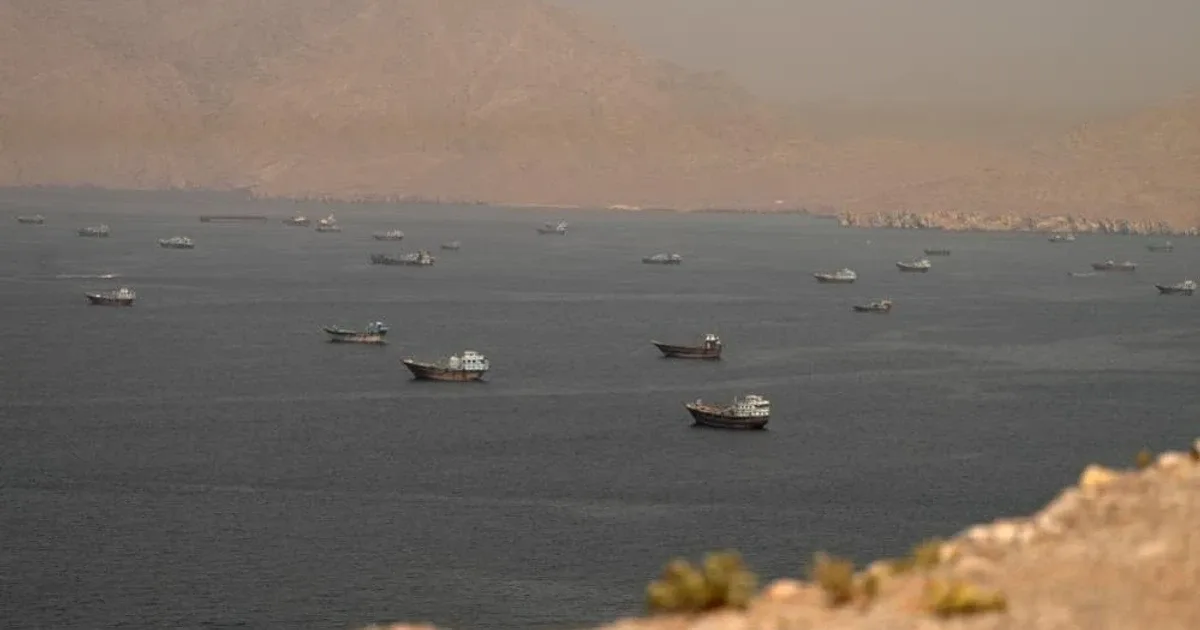
Diplomatic talks between the United States and Iran resumed in Oman in response to renewed attacks on commercial shipping in the Strait of Hormuz, a critical waterway through which approximately one-fifth of the world’s oil and gas trade passes. The US delegation, including Vice President JD Vance, pressed Iran to publicly affirm that shipping lanes remain open, halt attacks on vessels, and reject any tolls or fees for passage.
The recent surge in tensions peaked after attacks on July 7 targeted a Qatari liquefied natural gas (LNG) tanker and a Saudi crude oil tanker near the strait. These strikes prompted maritime authorities to raise the threat level to severe and triggered international condemnation, including from the International Maritime Organization (IMO), which denounced the assaults as violations of maritime security.

These incidents exacerbated an already fragile situation, with tanker traffic through the strait declining significantly. At its narrowest point, the strait spans only 29 nautical miles, with two 2-mile-wide shipping lanes separated by buffer zones, creating a high-risk environment for vessels when hostilities intensify. The resulting disruption stranded nearly 6,000 seafarers in the Persian Gulf, while broader monitoring counted over 20,000 maritime workers affected across the Middle East region.
Before this escalation, oil tanker traffic was nearly halted following a three-month closure of the strait after a regional conflict. The US Energy Information Administration (EIA) recorded the strait’s closure from late February until a memorandum signed in June between Washington and Tehran reopened the route, stabilizing global energy markets and influencing oil production forecasts.
Senior US officials revealed that Iran privately acknowledged shooting at commercial vessels was a mistake during advisory discussions. Despite this, the US demand remains that Iran make a clear and public commitment to maintaining free and safe navigation to prevent further disruption of a waterway vital to global oil supplies.