

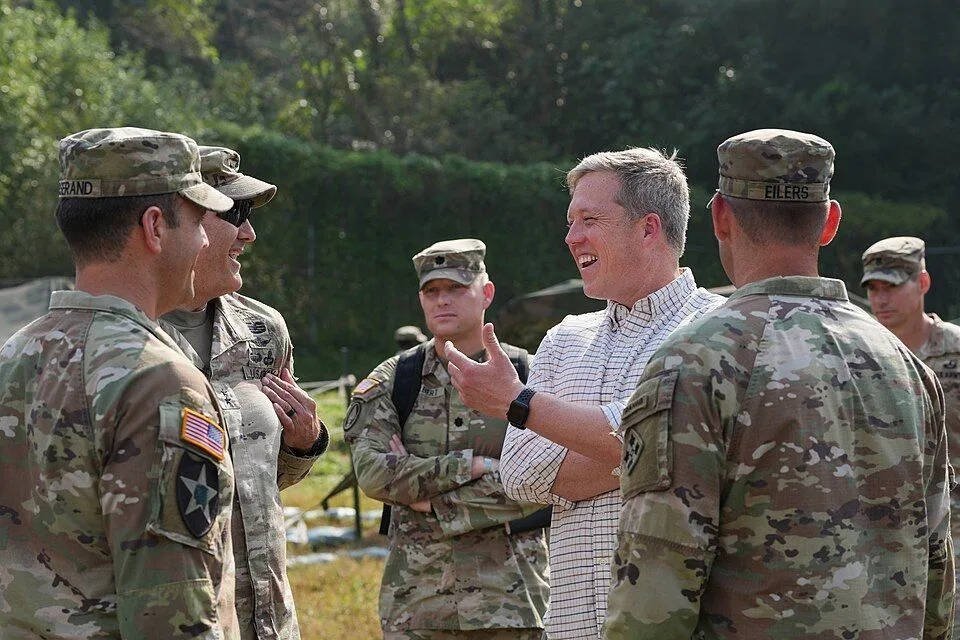
The US Army Secretary announced his resignation, attributing the decision to persistent clashes with the Defense Secretary over the handling of military operations amid the ongoing conflict involving Iran. This departure deepens questions about leadership cohesion within the Pentagon during a critical period for US defense strategy.
The reported friction highlights divergent views on operational priorities and resource allocation between the Army’s leadership and the broader Defense Department. These internal conflicts come as the US balances the complexities of involvement in the Iran-related warfront, impacting military readiness and policy consistency.

The departure disrupts the command structure of the Army at a time when strategic clarity and unified direction are crucial. While official statements did not detail specific disagreements, sources indicate that differing approaches to military engagement and coordination with other branches contributed to the decision.
As the Pentagon manages heightened regional tensions and prepares for ongoing security challenges, this leadership change signals potential shifts in policy execution. Observers note that navigating internal dissent will be essential for maintaining operational effectiveness and maintaining the United States’ strategic posture in the region.