

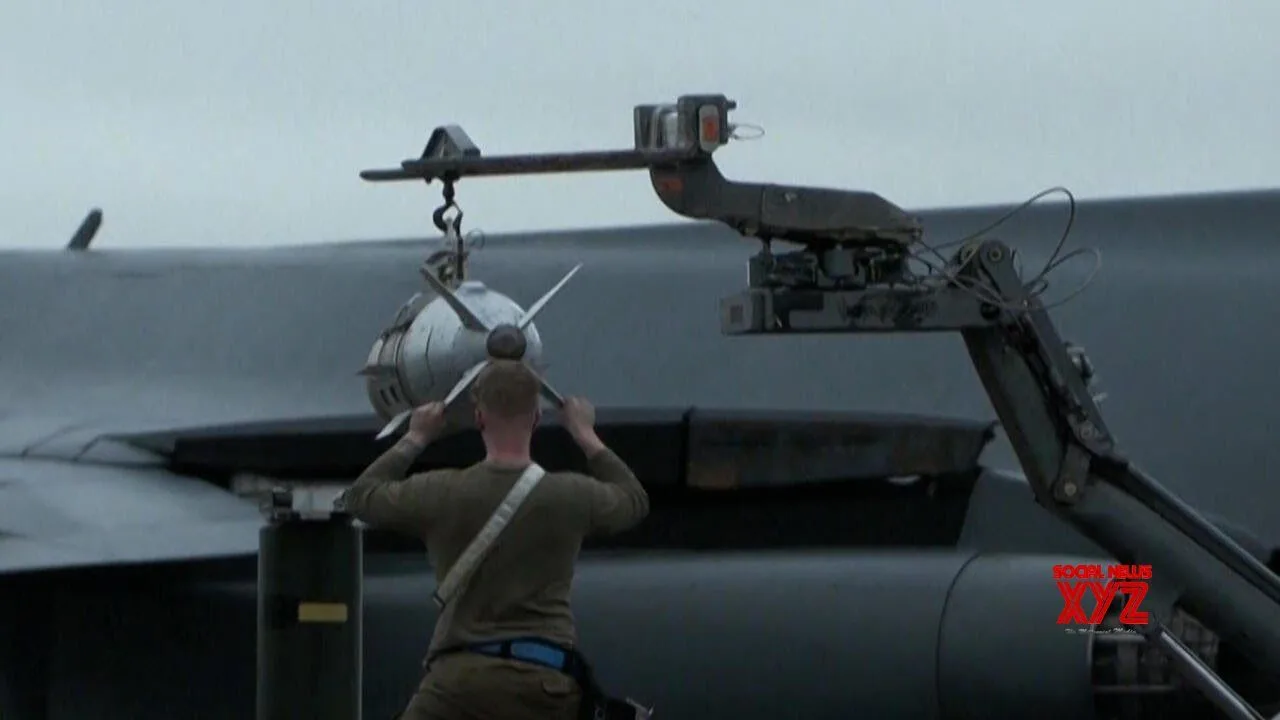
A brief two-day pause in the conflict between the United States and Iran follows nearly two weeks of intense military engagements and is reportedly linked to advances in diplomatic negotiations. However, behind the ceasefire, U.S. officials express increasing concerns about the availability of essential munitions to sustain combat operations.
Military analysts note that the sustained intensity of recent combat has placed considerable strain on U.S. stockpiles of ammunition. The logistical challenge of replenishing these supplies quickly has sparked discussions about the readiness of American forces if the conflict resumes at full scale. Although official figures on munitions levels remain undisclosed, the worry reflects broader challenges in balancing ongoing military demands with supply chain limitations.

Sources familiar with the situation indicate that the pause offers both sides a window to explore diplomatic solutions, but also crucial time for U.S. planners to assess and manage military resources. The pressure to maintain operational capability has heightened scrutiny on procurement and production efforts aimed at sustaining munitions availability.
This development underscores the complexities of modern warfare logistics, where extended engagements with adversaries like Iran require careful resource management. As fighting remains unpredictable, the ability of the U.S. to rapidly adapt its supply chains could prove a key factor in the evolving conflict dynamics.