

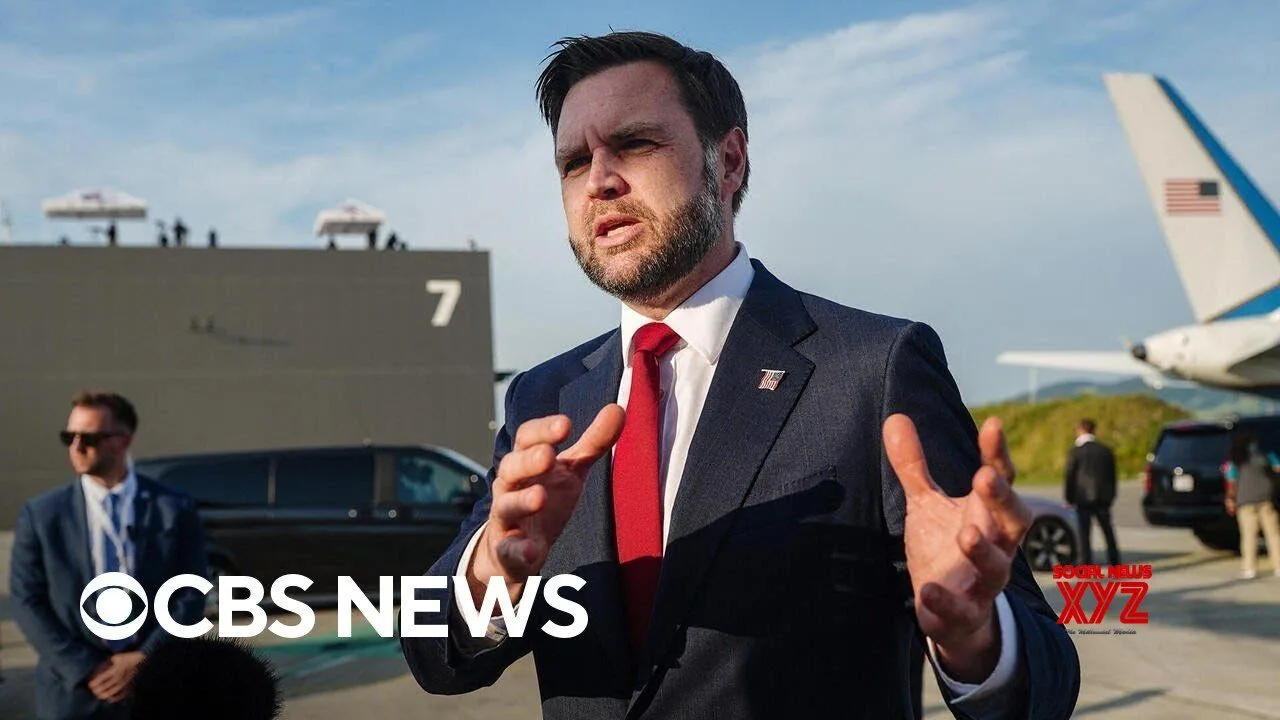
The U.S. administration reported notable progress in its diplomatic discussions with Iran, according to Vice President JD Vance. These developments come amid ongoing efforts to address longstanding tensions and revive dialogue on key issues between the two nations.
Meanwhile, across the Atlantic, British Prime Minister Keir Starmer announced his resignation, concluding his tenure in office. This decision marks a significant political change in the United Kingdom and could influence both domestic and international policymaking.

The U.S.-Iran talks, which have drawn considerable attention amid regional security concerns and nuclear non-proliferation efforts, have progressed to a stage that officials frame as promising. While specific details remain undisclosed, the advancement signals a potential shift toward de-escalation.
Keir Starmer’s resignation comes at a critical juncture for the U.K., raising questions about his successor’s agenda and the future direction of British politics. The circumstances surrounding his departure and the timeline for leadership transition are expected to dominate political discourse moving forward.
These developments reflect a dynamic period in international relations, underscoring changing alliances and diplomatic priorities. Observers will closely watch how both the U.S.-Iran negotiations and the U.K.’s political transition unfold in the coming weeks.