

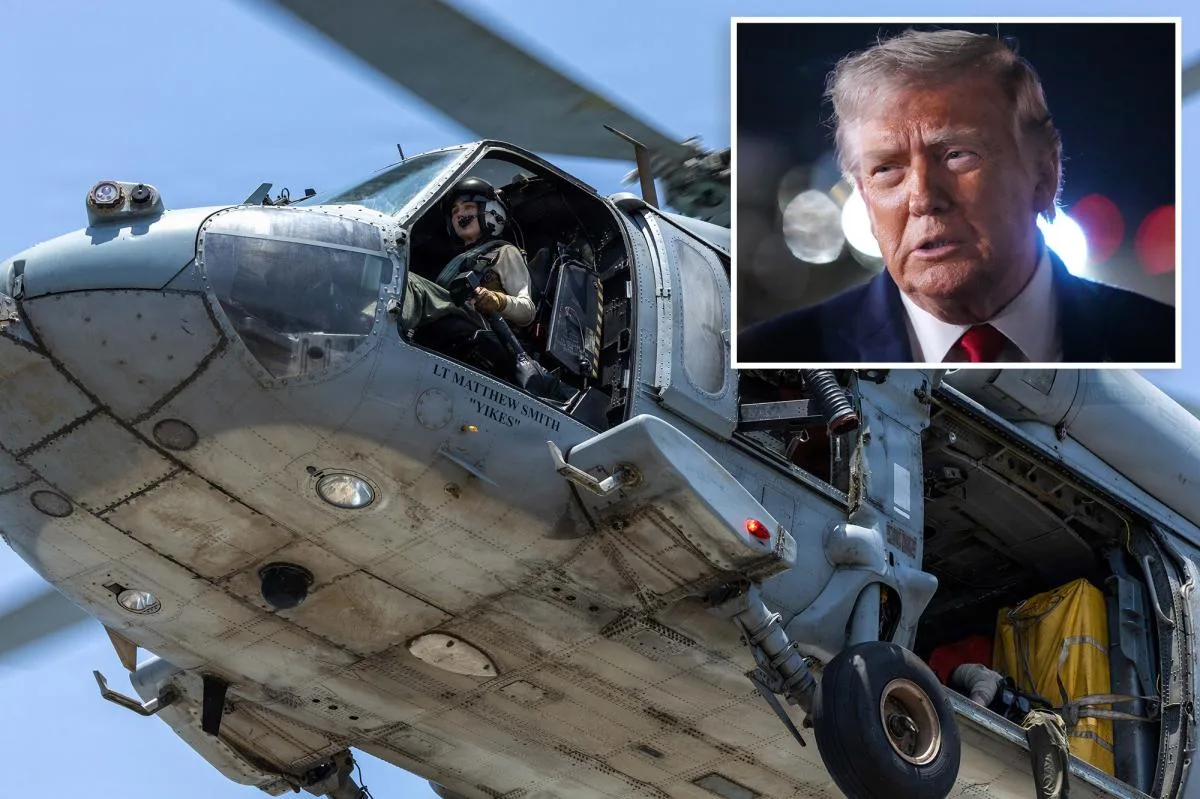
The US military initiated targeted self-defense strikes against Iran following the downing of an American Apache helicopter and its two pilots near the Strait of Hormuz. The operation started shortly after the US confirmed that Iran had shot down the helicopter, marking a direct retaliation ordered by the US Commander in Chief.
Both crew members survived the incident, rescued by a maritime drone approximately two hours after the helicopter crashed. Despite the attack, President Trump downplayed the event’s severity, emphasizing the crew's safety and calling it "not a big deal." The strikes targeting Iranian positions near the Strait aimed to serve as a proportional response to what the US described as unjustified Iranian aggression.

Iranian state media reported damage from a projectile strike in the port city of Sirik, a strategic location near the strait. US military sources indicated that future actions might focus on Iran’s coastal areas where weapons are stored or launched. This military response followed President Trump’s prior warning that he would consider a full-scale war if US troops were killed by Iranian forces.
In contrast, Iranian officials suggested the helicopter was not deliberately targeted. Iran’s Foreign Minister Abbas Araghchi acknowledged the possibility of an accidental strike, blaming the risks on foreign military presence near Iranian territory. He advocated for diplomacy but hinted that Iran remains prepared to respond through different means if necessary.
The situation remains fluid as both military and diplomatic developments continue to unfold between the US and Iran over this confrontation in the strategically vital Strait of Hormuz.