

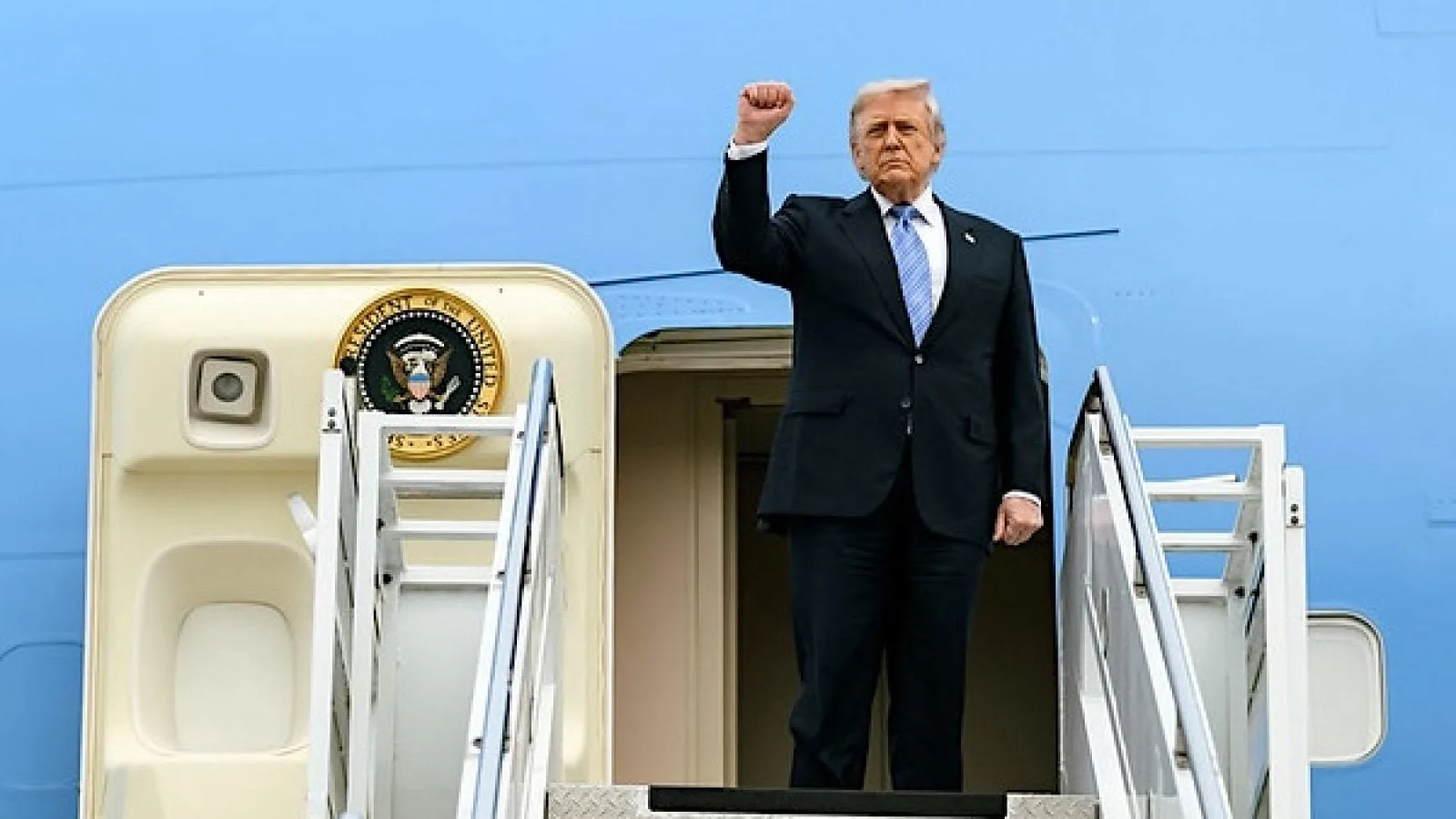
The White House delivered a blunt rebuttal to former Secretary of State Mike Pompeo after he publicly denounced a soon-to-be-finalized agreement involving the United States and Iran. President Trump announced the deal was “largely negotiated,” highlighting that details were still being finalized with involved parties, including Israel.
Pompeo dismissed the deal as counterproductive and aligned with approaches he deemed harmful. He argued the agreement essentially allowed Iran’s Revolutionary Guard to expand its weapons program and global influence. Pompeo emphasized a tougher stance, calling for the reopening of the Strait of Hormuz to international shipping, cutting off Iranian financial access, and degrading Iran’s regional capabilities.

White House Communications Director Steven Cheung responded with sharp language, accusing Pompeo of being uninformed and advising him to leave the matters to current officials. Cheung said Pompeo was not briefed on the latest developments and questioned his knowledge of the ongoing negotiations.
The debate extended beyond official channels. CIA alum Sarah Adams pointed to Pompeo’s involvement in the Doha deal with the Taliban, suggesting it jeopardized U.S. security and could lead to future attacks. Meanwhile, political commentator Roger Stone criticized Pompeo’s appearance following surgery, using it as a metaphor for his declining credibility.
President Trump referred to his recent conversation with Israeli Prime Minister Benjamin Netanyahu as part of the ongoing diplomatic efforts. He confirmed the Strait of Hormuz’s reopening as a central element of the agreement, a move aimed at easing regional tensions and restoring freedom of navigation in a critical maritime corridor.
This episode reflects deep divisions within U.S. political and intelligence circles over how to handle Iran’s nuclear ambitions and regional behavior. While the administration pushes forward with the deal, some former officials and commentators remain vocally opposed, underscoring the contentious nature of Middle East policy.