

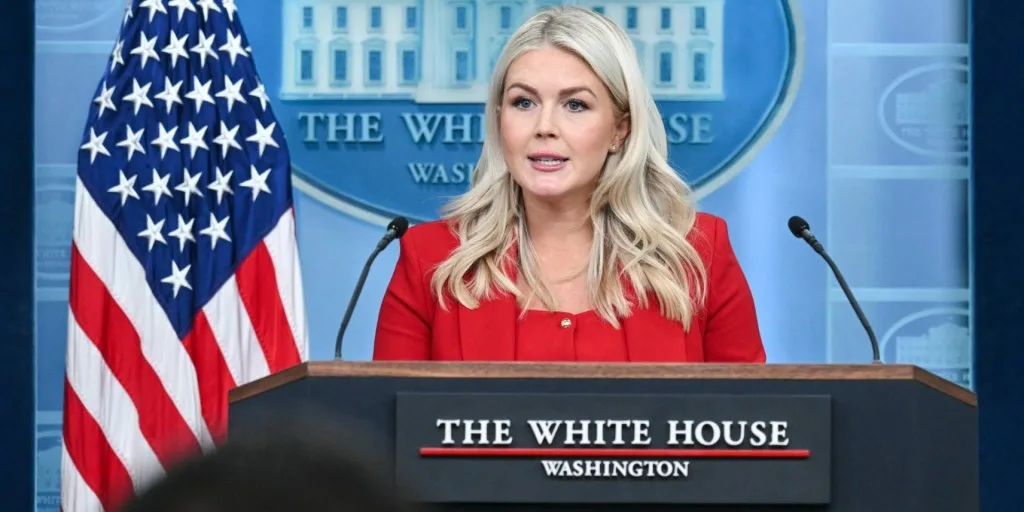
The White House indicated that progressing with a nuclear deal with Saudi Arabia will require the kingdom to formally join the Abraham Accords, a U.S.-brokered initiative fostering normalized relations between Israel and several Arab nations. This stance ties nuclear negotiations directly to broader diplomatic and regional security goals.
Officials emphasized that nonproliferation efforts alone are insufficient to ensure stability in the Middle East; they stress that integrating Saudi Arabia into existing regional peace frameworks is essential. The Abraham Accords, established to promote cooperation and reduce hostilities, provide the political backdrop for any proposed nuclear arrangements.

By making Saudi Arabia's participation in the accords a prerequisite, the administration signals an intertwined strategy linking arms control with diplomatic normalization. This move reflects concerns about escalating nuclear ambitions in the Gulf and the impact of unresolved regional conflicts.
The approach aims to incentivize Saudi cooperation through a package of security assurances and diplomatic recognition, balancing the kingdom’s energy and defense interests with the U.S. commitment to nuclear nonproliferation. While specifics of the deal remain under negotiation, the linkage illustrates Washington's intent to maintain pressure on Riyadh to commit both diplomatically and on arms control commitments before finalizing any nuclear agreement.