

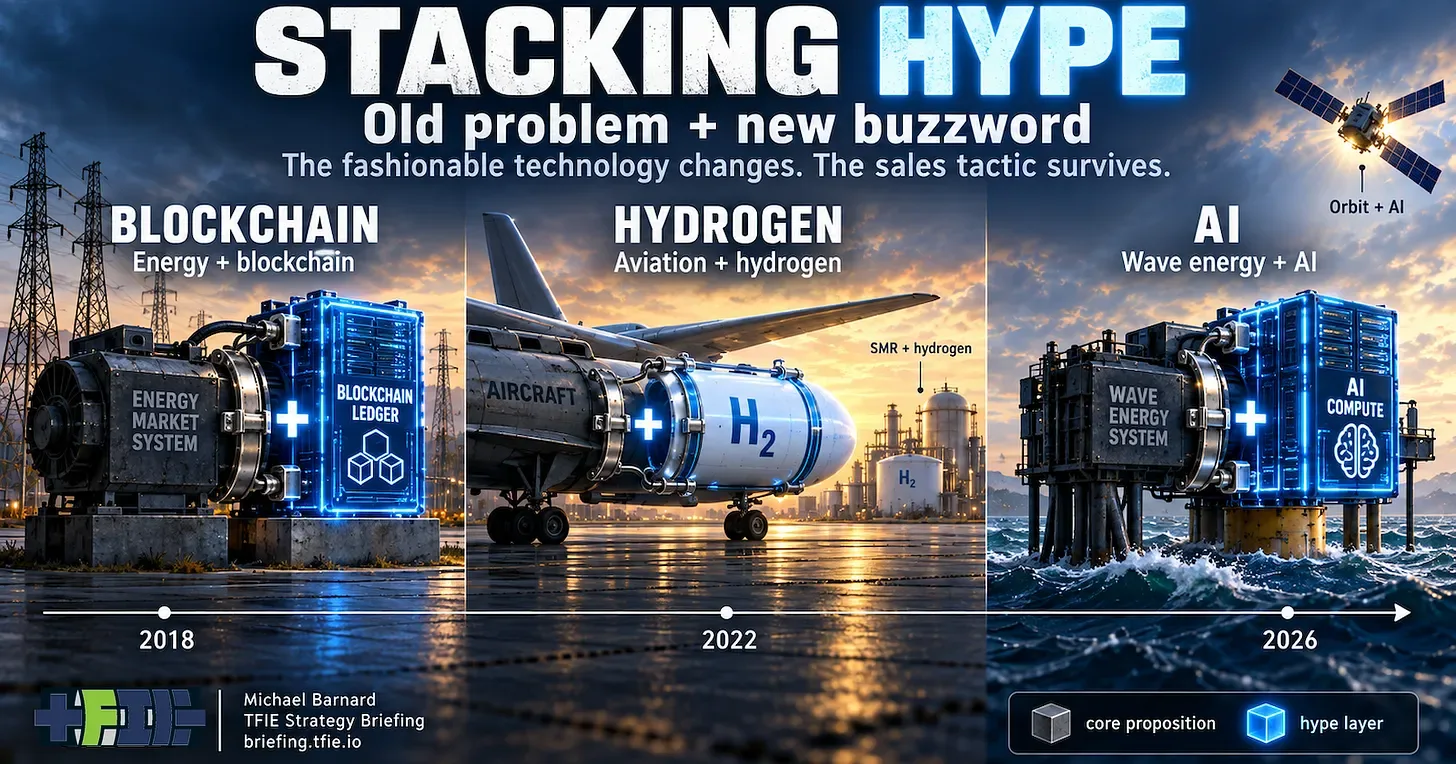
Artificial intelligence (AI) has recently taken center stage in climate technology discussions, touted as the game-changer for decarbonization, energy efficiency, and environmental monitoring. However, despite the fresh excitement around AI, the sector’s commercial issues remain largely unchanged, stemming from fundamental challenges in technology integration, financing, and policy frameworks.
Previous “hype cycles” in climate tech have spotlighted blockchain and hydrogen, each initially promising transformative potential but revealing significant barriers when moving beyond pilot phases. The arrival of AI in climate applications follows this pattern: early enthusiasm, overpromising, and difficulty in scaling viable commercial models. Many AI-driven solutions still lack dependable data ecosystems and regulatory support, which are essential for robust deployment and market acceptance.

At the core of these challenges is the fragmented nature of energy and environmental systems. AI applications often depend on inconsistent or incomplete data from disparate infrastructure and limited interoperability across platforms. This gap undermines the ability to optimize energy consumption, enhance grid management, or improve emissions tracking with the precision AI requires.
Moreover, the funding landscape for climate tech remains cautious. Investors favor proof of concept and technology maturity, yet many AI projects enter the market prematurely, driven more by marketing narratives than operational readiness. The reliance on ambitious use cases without clear pathways to profitable scale has created skepticism among key stakeholders, including utilities, governments, and industrial players.
Adopting AI within climate strategies also necessitates navigating complex regulatory environments that vary widely across jurisdictions. Policies governing data privacy, security, and environmental standards complicate the integration of AI platforms in energy grids, transportation, and supply chains. Without harmonized governance, these obstacles are likely to persist, hindering broad adoption.
Nevertheless, AI offers unique advantages when combined with improved data infrastructure and policy coordination. Successful deployments in targeted areas, such as predictive maintenance for renewable assets or real-time emissions monitoring, demonstrate tangible benefits. These examples highlight the importance of aligning technological innovation with practical scalability and stakeholder collaboration.
The evolution of climate technology reveals a recurring cycle: novel tools generate excitement, only to confront systemic inefficiencies embedded in complex sectors. AI is no exception; unlocking its full potential requires addressing enduring structural problems through investment in data reliability, standardized regulations, and business models that prioritize operational impact over hype.