

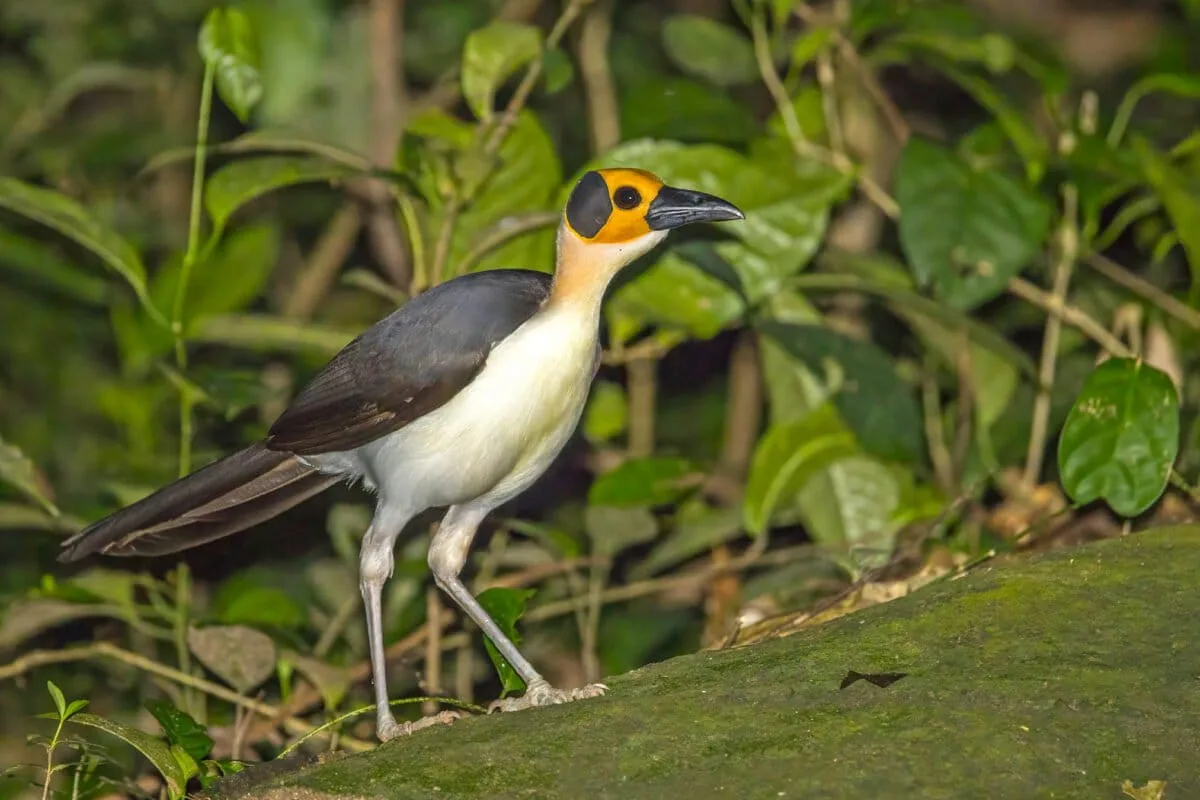
A recent study in Sierra Leone’s Gola Rainforest National Park demonstrates that carbon financing through the United Nations REDD+ program not only reduces deforestation but also benefits the park’s animal biodiversity. Researchers found that the park’s soundscape—comprising bird calls, primate vocalizations, and chimpanzee drumming—serves as an effective proxy for healthy ecosystems and biodiversity richness.
By comparing Gola Rainforest National Park with a nearby protected area lacking REDD+ support and a community-managed agroforestry zone, the study revealed notably higher acoustic activity in the REDD+-funded park, indicating greater animal presence and diversity. Yet, the agroforestry area exhibited a richer insect variety, emphasizing that different conservation strategies can yield distinct ecological benefits.

Gola Rainforest, part of the Upper Guinean Tropical Rainforest once spanning hundreds of thousands of square kilometers across West Africa, has faced severe pressures from past logging, mining, and civil conflict. Since the establishment of the Gola REDD+ project, backed by the global carbon market incentivizing reduced forest loss, deforestation rates in the park have dropped by approximately 30% compared to surrounding regions.
Researchers employed innovative acoustic monitoring techniques alongside arthropod sampling using Malaise traps, offering cost-effective tools to track biodiversity alongside carbon storage efforts. The findings underscore how carbon-oriented programs like REDD+ can deliver multi-dimensional conservation outcomes, protecting ecosystems not only for their carbon sequestration capacity but also for their role in sustaining wildlife diversity.
This integrative approach highlights the potential for carbon funding models to incorporate regular biodiversity monitoring, thereby improving the management of tropical forests as whole ecosystems. As forest conservation gains momentum through financial markets, the Gola Rainforest example illustrates how safeguarding carbon stocks can align with preserving animal communities critical for ecological resilience.