

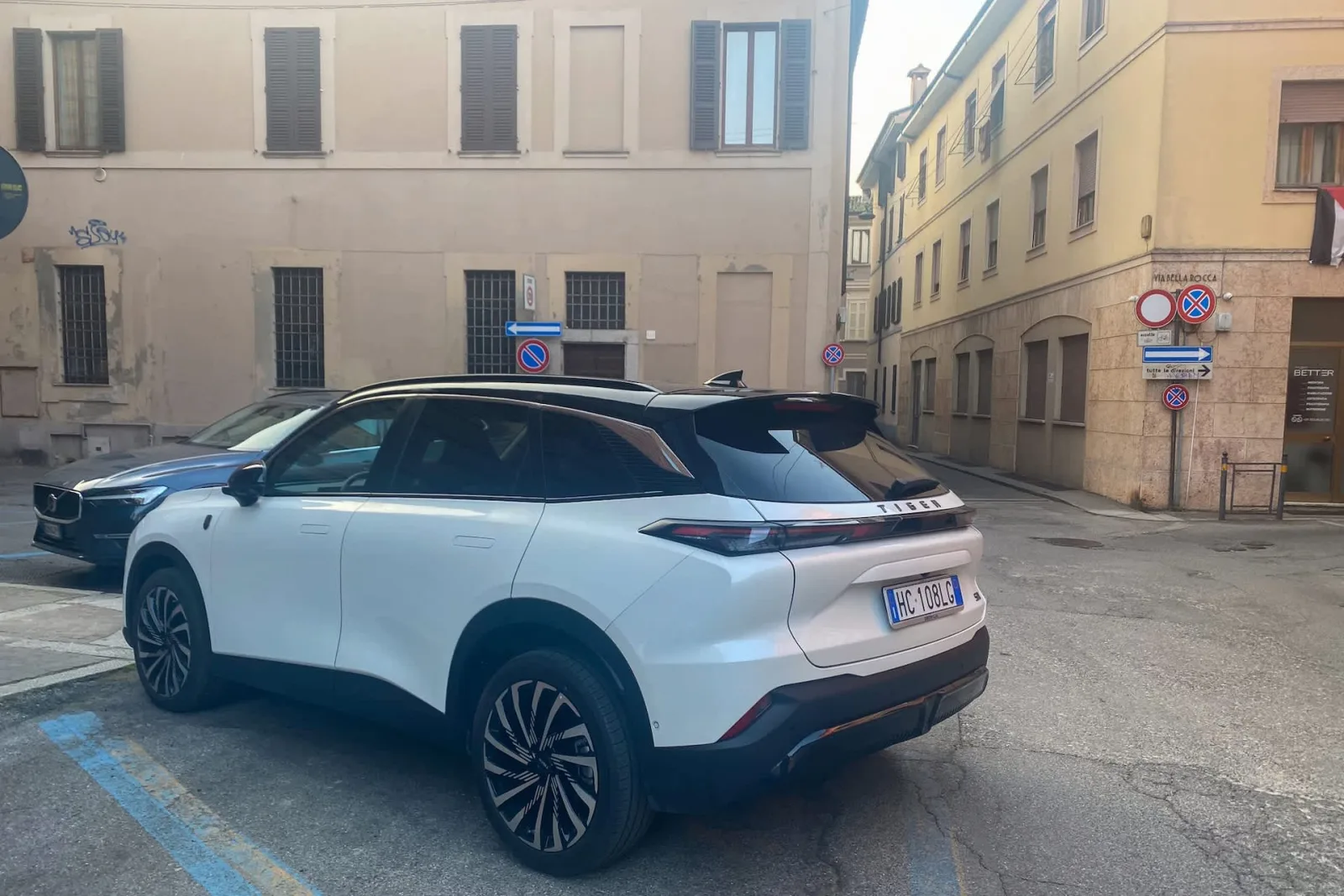
Chinese electric vehicle (EV) brands have significantly increased their foothold in Europe’s battery-electric vehicle (BEV) market, accounting for more than one in seven sales across Western Europe during the early months of 2026. This surge has come despite European Union import duties topping 35%, in addition to a standard 10% tariff on Chinese-built EVs, underscoring the growing competitiveness and appeal of these models in the region.
Leading Chinese manufacturers like BYD, Chery, SAIC, and Xpeng continue expanding their presence, capitalizing on lower production costs and aggressive pricing strategies. The United Kingdom, which has not adopted the EU’s added tariff measures, stands out as the largest European market for these vehicles. Roughly a quarter of Chinese BEV sales in the 18 largest Western European economies took place in the UK. Meanwhile, Italy accounts for about one-fifth of total sales, boosted by subsidies that drove down the price of specific vehicles to exceptionally low levels.

This shift matters because it challenges established European automakers amid increasing emissions regulations. Chinese brands offer more than 120 EV models in Europe, surpassing the roughly 100 options available from domestic brands. This growing variety and affordability pressure traditional manufacturers to respond, either by adjusting their own pricing or lobbying for stricter trade measures.
Some European industry leaders have already voiced concerns. Volkswagen’s CEO highlighted the competitive disadvantage faced by European plug-in hybrids, which are exempt from the EU’s higher EV import tariffs that target only fully battery-powered electric cars. This exemption leaves room for Chinese automakers to also expand in the plug-in hybrid segment, which still relies partly on gasoline engines.
The broader market is seeing a competitive shake-up beyond just Chinese entrants. Tesla reported a substantial sales increase in Europe, fueled by lower-priced Model 3 and Model Y variants. The Model Y consistently ranked as the best-selling single EV model during this period, illustrating shifting consumer preferences toward more affordable electric options.
With the European automotive industry at a crossroads, policymakers are weighing whether current tariffs sufficiently counterbalance the influx of Chinese imports or if additional protective measures are necessary. As local manufacturing capacities grow, import dependence may decline, but until then, the dynamics of tariff policies and market competition will remain closely scrutinized.