

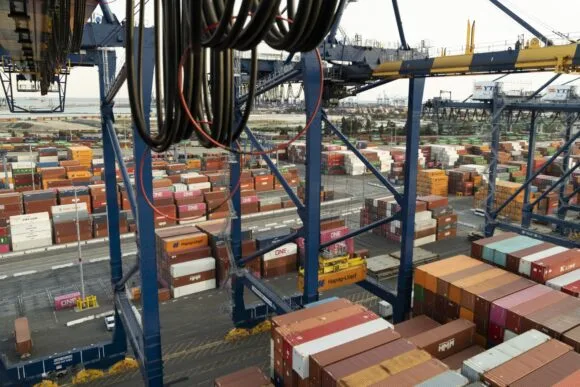
A recent incident at Kuala Lumpur International Airport illustrates how emerging technology is helping safeguard critical supply chains vulnerable to climate extremes. A pharmaceutical shipment en route to clinical trials was at risk of spoilage due to rising temperatures, but a newly installed tracker monitoring temperature, humidity, and location alerted the company in real-time, preventing costly losses.
This example highlights the expanding role of climate-adaptive technologies amid increasing threats from extreme weather events. Global trade, valued at trillions of dollars, faces mounting risks from heatwaves, storms, floods, and wildfires—all intensified by climate change. High-value goods like pharmaceuticals, food products, and sensitive electronics require constant environmental monitoring to avoid damage and delays.

Investor interest in companies developing sensors, climate risk analytics, and catastrophe-based insurance models has surged recently. Industry leaders identify this trend as a response to practical risks rather than regulatory drivers, distinguishing it from renewable energy and electric vehicle sectors. Advances in satellite imagery, granular weather forecasting, 5G networks, and artificial intelligence power these new climate tech ventures.
Funds like Lightsmith Group’s Climate Resilience Partners, managing significant private capital, are investing in firms applying AI and remote sensing to reduce supply chain vulnerabilities and environmental hazards. One portfolio company uses satellite data to mitigate wildfire risks for utilities, demonstrating the expanding scope of adaptation technologies. The growth of these businesses, which have already achieved substantial revenues, reflects broader investor confidence in climate adaptation as a resilient and scalable market.
As climate disruptions intensify, businesses dependent on uninterrupted logistics increasingly rely on innovative monitoring and predictive tools. Such technologies offer not only risk mitigation but also financial returns that attract investment, signaling a shift in how global supply chains respond to the challenges of a changing climate.