

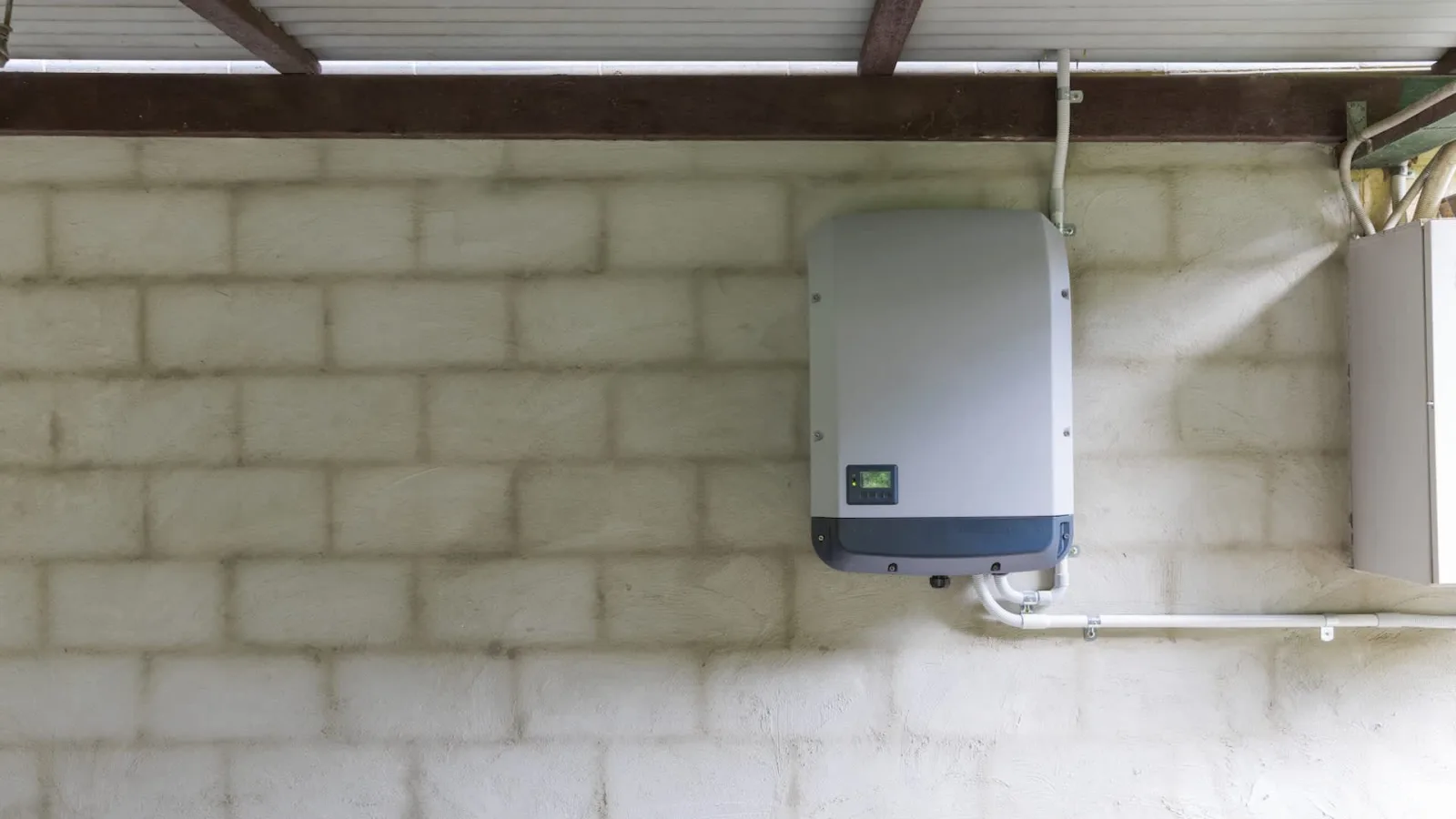
Homeowners shifting to fully electric homes are grappling with whether to invest in large home battery systems, which often come with steep price tags. One recently shared a £12,000 ($16,000) quote for a 27-kWh battery designed to cover a home's daily energy needs, sparking debate about its practicality and value.
The setup centers on a property with energy-efficient standards (EPC B), planning to use a heat pump for underfloor heating and add an electric vehicle (EV). The current energy consumption averages around 10,000 kWh annually, roughly 27 kWh daily. A battery with that capacity could theoretically supply a full day’s electricity but may fall short when factoring in EV charging or additional appliance use during the day.

Choosing an optimal battery size depends largely on the homeowner’s priorities. For those aiming to reduce costs by charging their battery on cheap overnight tariffs and using stored power during peak hours, a large battery can make sense. However, many households may find smaller batteries sufficient to capture low-cost energy without the heavy investment of a full home backup system. It is also common to avoid fully draining the battery daily to preserve its lifespan, suggesting that some extra capacity is wise.
Home battery storage offers benefits beyond cost savings. It provides backup power during outages and can store electricity even without a solar system, charging during off-peak hours when electricity prices are lower. Tools like EnergySage's free calculators help consumers compare prices and identify suitable options, and firms like Qmerit and Pila offer competitive battery solutions, including plug-and-play models at significantly lower costs than complete backup systems.
The discussion around battery storage also includes considerations about EV charging. Some users note that EVs often charge overnight independently of home batteries, potentially reducing the battery’s role. Still, industry observers emphasize batteries’ growing importance as power grids evolve toward more variable renewable energy sources and fluctuating rates.
Ultimately, homeowners must balance upfront investment with daily energy habits, backup needs, and tariff structures to determine the best battery size and type for their homes. The evolving market of home energy storage continues to offer diverse choices aimed at different budgets and priorities.