

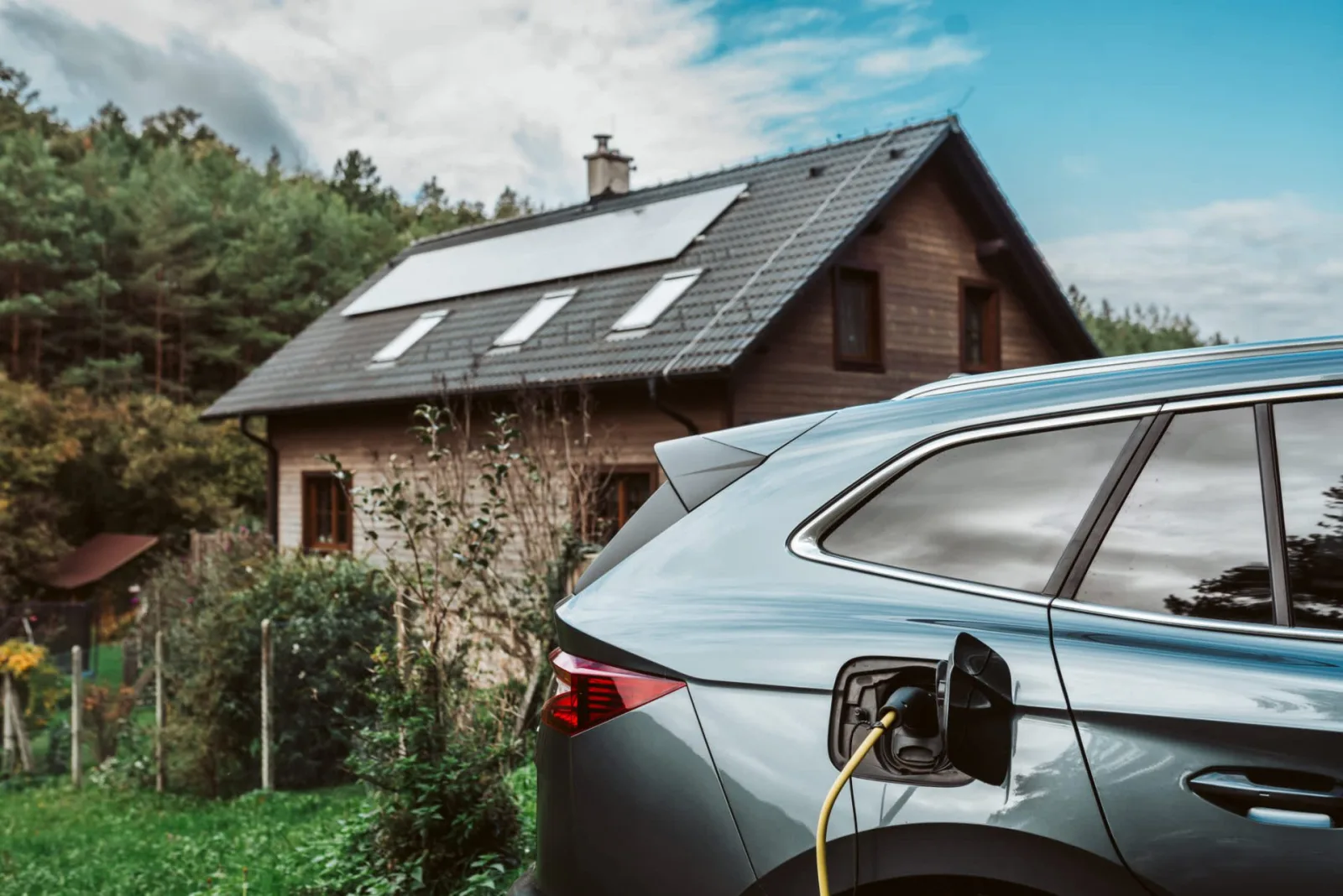
Choosing to bypass the expensive home battery option, one solar user installed a public electric vehicle (EV) charger to maximize the value of their solar array. Their system, featuring an 18.6-kilowatt solar array paired with a 17-kilowatt inverter, operates without a battery bank yet still delivers excellent self-consumption of solar energy.
On a typical day, the setup generated over 116 kilowatt-hours of solar power, using nearly 70 kWh directly and exporting close to 47 kWh back to the grid. The homeowner reported that about 94% of daily electricity needs were met directly by solar energy, with only a minimal draw from the grid. Over a three-month period, the system produced 7.49 megawatt-hours, demonstrating sustained strong performance without battery storage.

While batteries provide benefits such as backup power and energy use optimization at night, they also increase upfront installation costs significantly. These higher costs can extend the return on investment and complicate the financial feasibility of solar projects for some homeowners.
Instead of relying on batteries, this homeowner capitalized on excess solar energy by offering public EV charging, creating a new revenue stream with a set price per kilowatt-hour. This approach highlights alternative uses for surplus solar generation, such as shifting appliance use to daylight hours or investing in other electrification projects that provide better economic value than batteries.
Experts recommend comparing several system configurations—both with and without storage—to identify the most cost-effective solution tailored to the household’s energy habits and local utility policies. This tailored approach helps avoid unnecessary expenses while maximizing the benefits of clean energy systems.
The homeowner challenged the widespread assumption that batteries are essential for solar setups, emphasizing the importance of evaluating individual circumstances rather than following a one-size-fits-all mindset. Their experience suggests that skipping the battery can be a smart choice when coupled with innovative uses of surplus energy.