

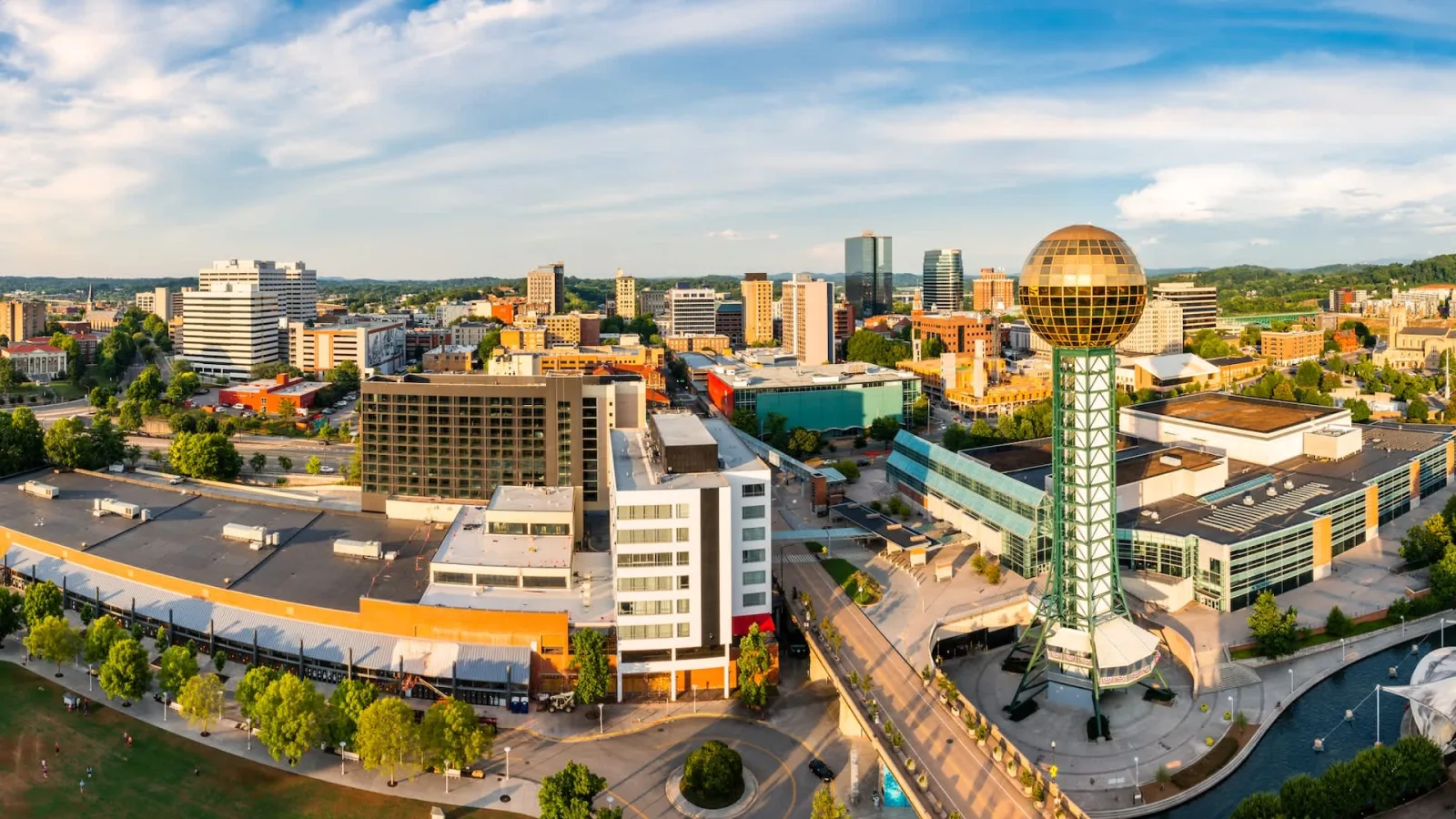
Knoxville, Tennessee, is weighing a year-long pause on new large-scale data center developments to address rising concerns over their impact on the city's electricity and water resources. The proposed moratorium targets facilities expecting to consume 10 megawatts or more, a demand level comparable to heavy industrial operations, temporarily stopping permitting, construction, and development.
This measure reflects growing unease over the infrastructure challenges posed by the rapid expansion of artificial intelligence technologies. Data centers supporting AI require continuous, high-capacity power to run extensive server networks and cooling systems, placing increasing pressure on local utilities. City officials are evaluating how such demands intersect with Knoxville’s environmental sustainability goals, greenhouse gas reduction targets, and overall quality of life.

The push to limit data centers follows a wider national trend, as communities across the U.S. confront similar challenges amid the AI boom. While AI has the potential to improve energy management—helping utilities forecast demand and integrate renewable power—the substantial resource consumption of data centers raises concerns about increased electricity costs, water usage for cooling, and the environmental footprint if fossil fuels supply the energy. Cybersecurity issues and the rapid pace of AI development beyond regulatory oversight also feature in these debates.
The proposed moratorium is designed as a temporary measure, allowing Knoxville to conduct a thorough review of the broader impacts of large data centers before resuming approvals. This pause would enable the city to reassess zoning laws, utility capacity planning, and water infrastructure to better align with long-term climate commitments and resource management strategies.