

Fishermen and environmental advocates in Louisiana have turned to the courts to block a major natural gas pipeline project they say threatens coastal wetlands and disregards climate impacts. The lawsuit targets a permit allowing the construction of the 44-mile Marais Pipeline, which would carry nearly two billion cubic feet of methane daily to an LNG export terminal near the Gulf of Mexico.
The complaint, filed in Cameron Parish, argues that the state's approval of the pipeline permit failed to adequately consider the cumulative climate effects and the extensive damage to more than 800 acres of coastal wetlands that would be disturbed by the project. This challenge builds on a previous court ruling requiring regulators to assess combined climate impacts before granting coastal permits for fossil fuel infrastructure.

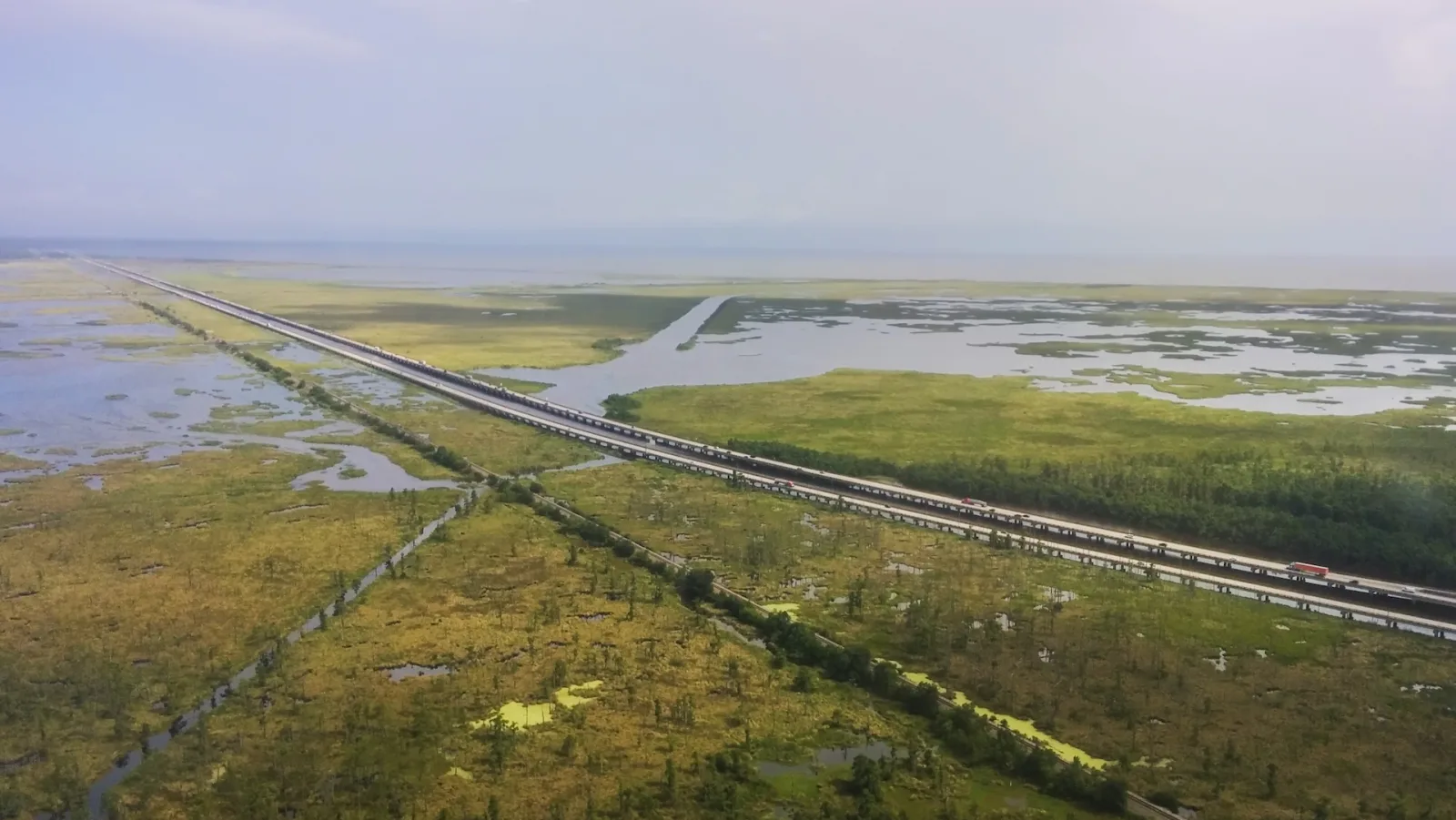
Louisiana’s coastal wetlands provide critical protection by buffering storms, supporting fisheries, and sustaining local economies. The degradation of these wetlands could heighten flood risks and weaken natural defenses, disproportionately affecting vulnerable coastal communities. Opponents note that the pipeline is part of a broader expansion of gas export infrastructure tied to the CP2 LNG terminal, raising concerns over increased pollution, industrial activity, and who ultimately bears the environmental burden versus who profits.
The dispute comes amid recent federal regulatory shifts. The Federal Energy Regulatory Commission (FERC) announced it would no longer conduct cumulative impact assessments for large infrastructure projects, a move that environmentalists argue weakens necessary oversight. One FERC commissioner, however, emphasized the legal obligation to consider impacts on communities already burdened by industrial pollution.
The lawsuit demands that the Cameron Parish court reconsider whether state regulators complied with legal requirements in granting the permit. It reflects mounting resistance from local groups insisting that Louisiana’s coastal populations should not continue to bear the environmental costs of fossil fuel projects without proper evaluation and safeguards.