

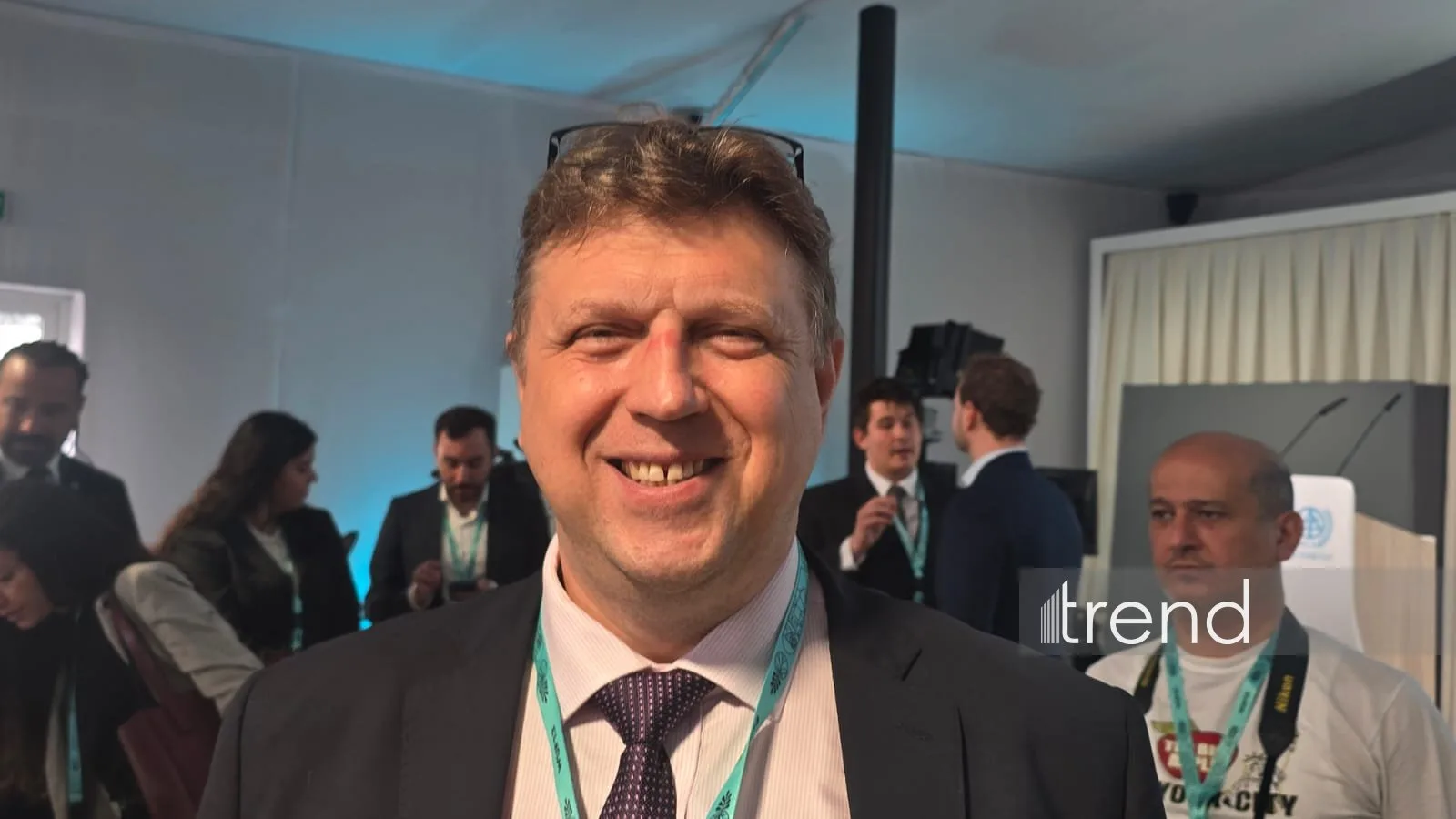
Applying low-carbon aluminum in Azerbaijan’s construction industry promises to boost efficiency, cut lifecycle expenses, and advance the nation’s carbon reduction commitments. Alexey Spirin, Director of the Climate Change Department at UC RUSAL, detailed how this material can reshape building practices by combining sustainability with economic advantages.
Spirin highlighted that low-carbon and recycled aluminum are increasingly pivotal to both municipal infrastructure projects and global construction trends. Its key properties—lightweight, highly durable, and infinitely recyclable—enable structures to last up to 80 years, significantly lowering ongoing maintenance and repair costs. These features make aluminum a preferred material for creating resilient and cost-effective urban environments.

The potential of aluminum goes beyond just materials technology; it supports smart, sustainable urban development. Integrating advanced aluminum systems aligns with global climate action strategies by minimizing environmental impact while offering practical financial savings over a building’s entire lifespan. Spirin also emphasized that adopting these manufacturing standards can help cities build infrastructure that is both economically viable and climate-resilient.
Recognizing the importance of collaborative platforms, Spirin praised the UN World Urban Forum 13 (WUF13) held in Baku as a critical venue for fostering dialogue on sustainable urbanization. The forum serves as an international stage where urban development goals intersect with climate policy, encouraging the adoption of low-carbon materials like aluminum across the construction sector.