

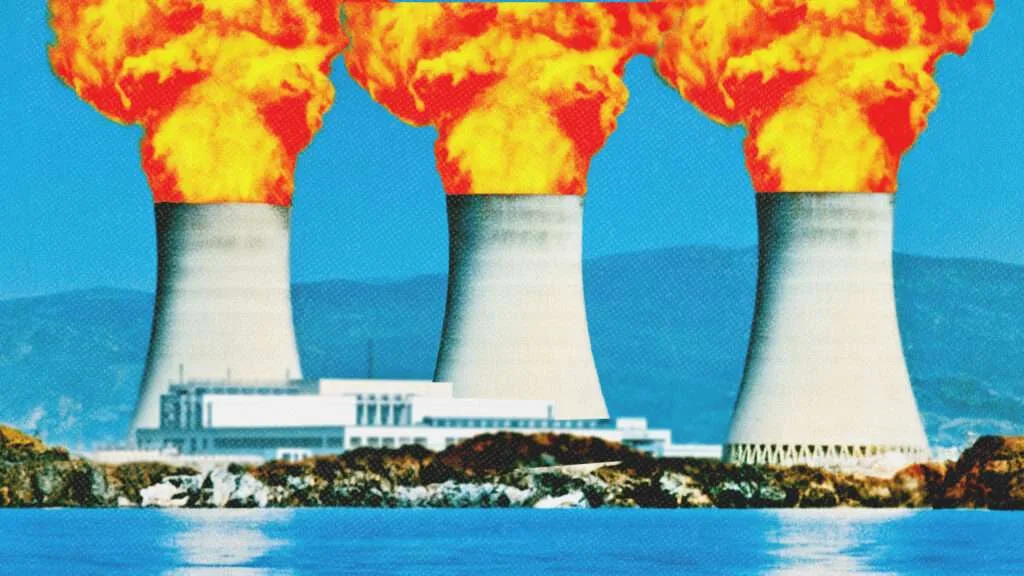
The Nuclear Regulatory Commission (NRC) has effectively disregarded a presidential directive to reform its radiation exposure regulations, choosing instead to uphold existing safety models that many experts criticize as scientifically flawed. While the executive order called for a shift away from the conservative “linear no-threshold” (LNT) model toward clear, evidence-based radiation limits, the NRC’s recent proposal retains reliance on LNT principles.
The executive order, issued to reduce regulatory barriers stalling nuclear energy development, highlighted that the NRC’s safety framework assumes any amount of radiation increases cancer risk, no matter how small. This premise underpins the agency’s strict “as low as reasonably achievable” (ALARA) policy, which the order intended to abolish. ALARA often demands radiation exposures be minimized below natural background levels, an approach critics say is not supported by scientific data and hampers practical energy advancements.

When the NRC published its new rules, it removed explicit ALARA references but maintained the use of the LNT model to justify exposure limits. The agency argued that while LNT has limitations at very low doses, no scientifically accepted alternative currently exists. Furthermore, it rejected the presidential order’s call to adopt specific “determinate” radiation thresholds, stating that evidence does not support such a step at this time.
This stance conflicts with independent research from the Idaho National Laboratory published just a year earlier, which found no statistically significant health effects from radiation exposure below certain levels accumulated at low doses. That report challenges the assumption that any radiation exposure is harmful and suggests that current NRC limits may be overly restrictive.
By upholding LNT without adopting the ordered reforms, the NRC maintains stringent regulatory requirements that the executive order intended to relax, citing scientific uncertainty as justification. This impasse highlights ongoing tension between nuclear regulation, scientific debate, and efforts to modernize energy policy in the face of environmental and economic challenges.