

Al Gore’s documentary, released twenty years ago, dramatically pushed climate change into the center of international debate. The film warned of increasingly severe natural disasters driven by global warming, aiming to spark urgent policy shifts and public awareness. However, a review of the past two decades shows that several of these forecasts have not come to pass as predicted.
Contrary to expectations, fatalities from climate-related disasters such as floods, droughts, storms, and wildfires have sharply declined despite a quadrupling of the global population since the 1920s. Deaths have dropped from nearly half a million annually in the early 20th century to fewer than 10,000 today. This significant reduction reflects advances in technology, infrastructure, and disaster preparedness rather than the alarmist scenarios depicted in the film.

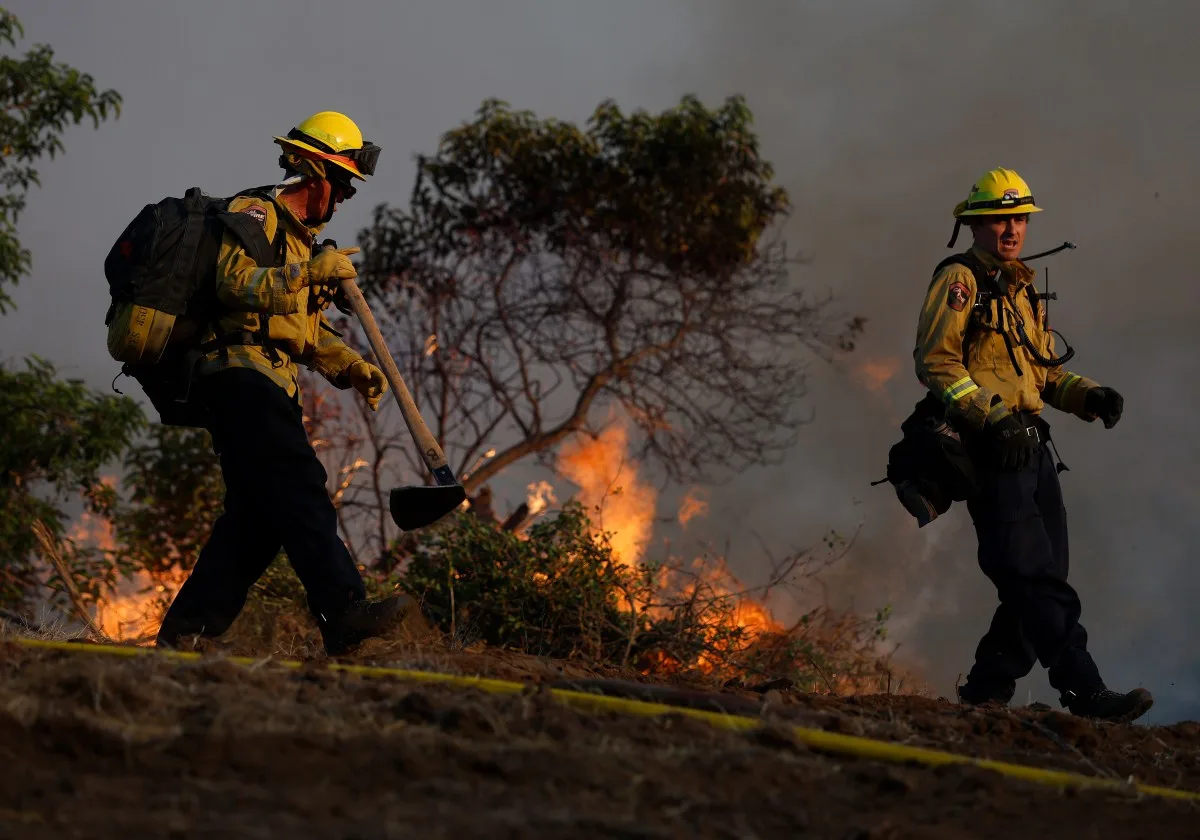
The film’s portrayal of increased hurricane frequency and intensity is not supported by recent data. Since satellite tracking began in 1980, global counts of hurricanes and their total energy have shown a slight decline. Wildfire trends also contradict some expectations: NASA data reveals a global decrease in burned areas by more than a quarter over 25 years. Although large wildfires in the U.S. have captured attention in recent times, historically worse periods such as the Dust Bowl era saw far more extensive fires. Other continents report declines in wildfire activity.
The documentary famously spotlighted polar bears as an emblem of climate vulnerability, suggesting that melting ice was causing them to drown. Yet, polar bear populations have more than doubled since the 1960s, with primary threats stemming from hunting rather than climate change. This emblematic example illustrates the challenges of translating complex ecological trends into simple narratives.
Despite galvanizing efforts to reduce carbon emissions, global fossil fuel consumption remains stubbornly high. Since 2006, the proportion of the world's energy derived from fossil fuels has only marginally decreased—from 82.6 percent to 81.1 percent in 2023. This slow pace suggests the transition away from fossil fuels is far more gradual than anticipated, with current trends indicating it could take several centuries to achieve net-zero emissions.
While renewable energy technologies like solar and wind have become far more affordable, their intermittent nature limits their capacity to fully replace fossil fuels. The film had argued that climate solutions were ready for immediate deployment if political will in wealthy nations was strong enough. Yet, political and economic realities have slowed progress, leaving global emissions on a near-continuous upward path.