

Renewable energy sources accounted for more than 30% of the United States’ electricity generation during the first five months of 2026, marking a significant milestone in the country’s energy transition. According to the latest data from the U.S. Energy Information Administration (EIA), renewable electricity generation grew by over 10% compared to the same period in 2025, driven primarily by solar and wind energy.
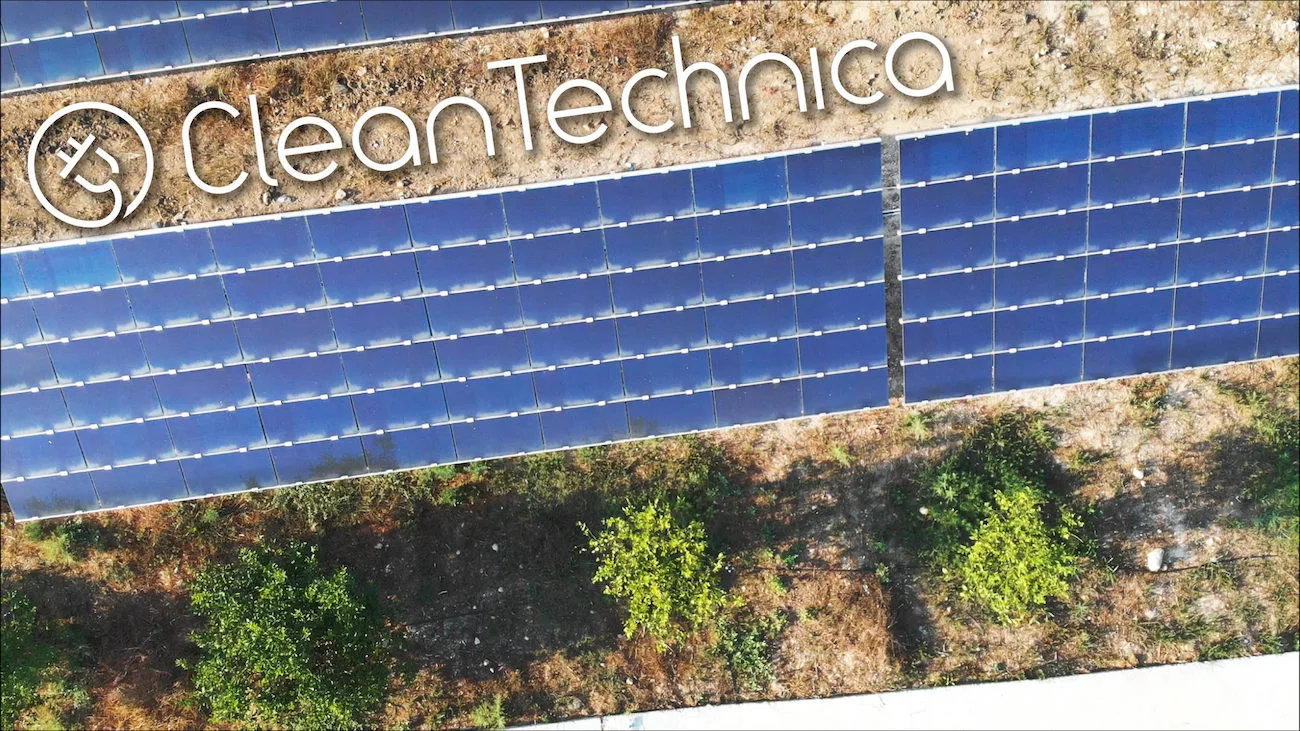
Utility-scale solar power led the surge with a 21.6% increase in generation, while small-scale solar installations—typically residential and commercial systems under one megawatt—expanded their output by 34.1%. Projections indicate that renewables will continue to expand robustly over the next year, with utility-scale solar capacity expected to add nearly 44 gigawatts (GW), pushing its share of total U.S. capacity from 13.1% to 16.1% by May 2027.

Wind energy capacity will also climb, growing by approximately 9.4 GW, including 3.4 GW from offshore wind farms, increasing its contribution from 13.4% to 13.6%. Other renewable sources such as hydropower, biomass, and geothermal will see modest growth, adding about 284 megawatts (MW). Collectively, the total increase in utility-scale renewable capacity for the upcoming 12 months is forecast to reach over 53 GW, a 41% rise compared to the previous year.
Meanwhile, the fossil fuel and nuclear power sectors face declines. EIA projects a net loss of nearly 4.7 GW in fossil fuel generating capacity, while no new nuclear capacity is expected to come online during this period. This shift means renewable energy could overtake natural gas capacity by spring 2027 or earlier.
Small-scale solar installations remain a critical and growing segment. Their capacity rose by 6.7 GW in the past year, reaching a total of over 62 GW. Although the EIA does not supply forecasts for small-scale solar expansion, analysts estimate an additional 6 GW growth by mid-2027. If this occurs, combined renewable capacity—including small-scale solar—will exceed 542 GW, surpassing natural gas’s 515 GW.
Solar power alone is set to represent more than one-fifth of total U.S. electricity capacity, a landmark figure. Complementing this growth is battery energy storage, which the EIA expects to advance by nearly 48%, adding more than 23 GW and reaching a total of approximately 72 GW by June 2027. This expansion supports grid stability and integrates intermittent renewable generation more effectively.