

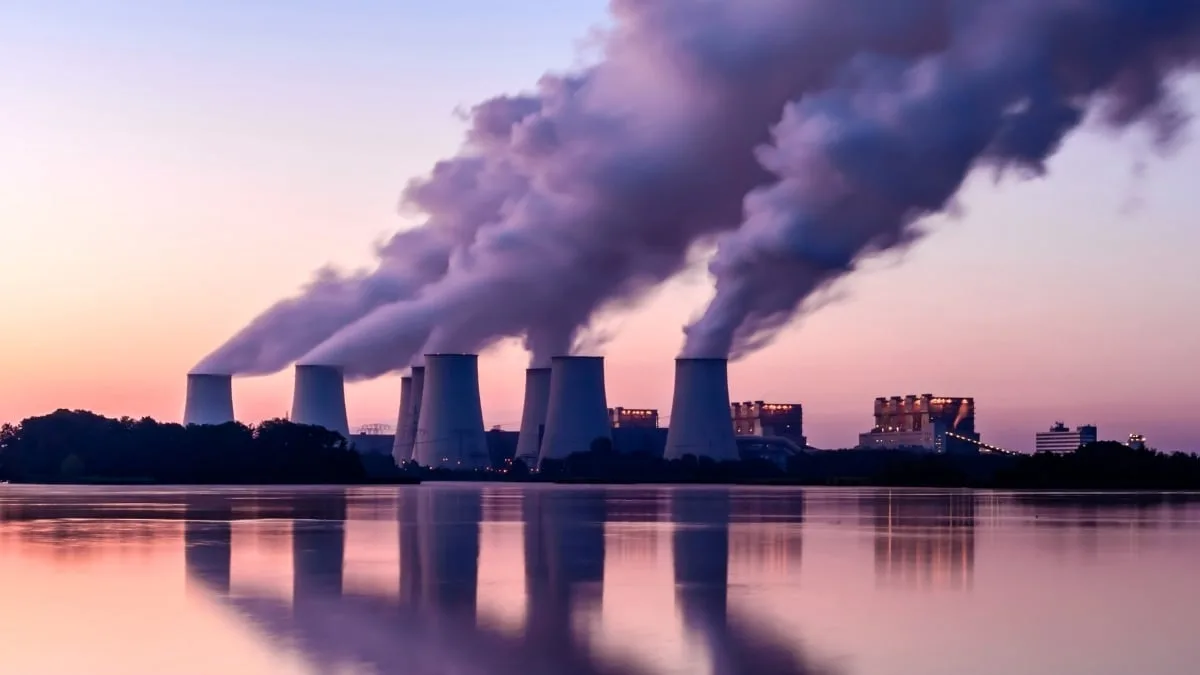
Climate scientists have withdrawn the most extreme greenhouse gas emissions scenario from serious consideration, deeming it implausible based on current global trends. This scenario, known as SSP5-8.5, envisaged unchecked fossil fuel use driving radiative forcing to exceptionally high levels by the end of the century, causing a potential global temperature rise close to 5 °C above pre-industrial averages.
The foundation for this assessment lies in the representative concentration pathways (RCPs) framework developed over a decade ago to model different climate futures based on greenhouse gas concentrations. Initially, four levels of radiative forcing were proposed—2.6, 4.5, 6, and 8.5 watts per square meter—each depicting varying degrees of warming and environmental impact. SSP5-8.5, the highest path, linked extreme fossil fuel dependency with rapid emissions growth and was widely used in earlier impact projections for extreme weather, sea-level rise, and ecosystem threats.

Over time, as global emissions patterns and energy developments evolved, specialists re-examined the likelihood of reaching this critical threshold. The recent consensus reflects that future emissions are expected to be lower than those imagined under SSP5-8.5, partly due to policy shifts, technology changes, and societal transformations away from the most carbon-intensive pathways.
Nevertheless, scientists emphasize that ruling out the worst-case does not eliminate serious climate risks. Even under more moderate scenarios, substantial warming will occur, with significant consequences for ecosystems, infrastructure, and human livelihoods worldwide. The Intergovernmental Panel on Climate Change (IPCC) continues to highlight the urgency of aggressive emissions reductions and adaptation strategies.
Understanding these climate scenarios remains essential as they frame policy debates and guide investment in clean energy and resilient infrastructure. While SSP5-8.5 may be off the table, other pathways still demand global cooperation to limit warming and avoid the most damaging outcomes.