

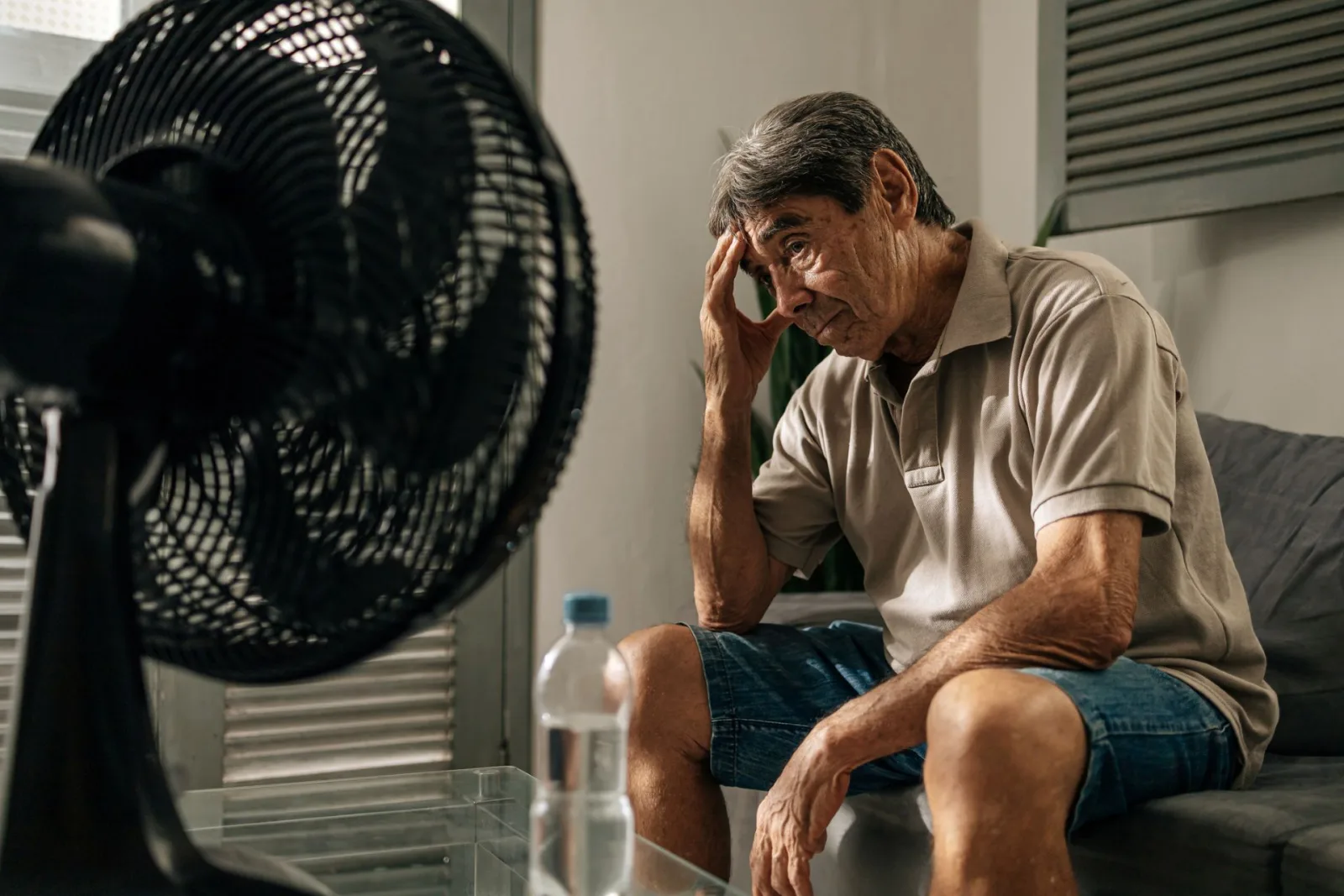
Scientists have determined that the unprecedented heat wave sweeping parts of the United States and Canada could not have occurred without the influence of climate change. Using advanced measurements that factor in humidity, wind, and sunlight, researchers concluded that such temperatures were virtually impossible in a pre-industrial climate. This finding has intensified discussions about accountability for the climate crisis.
The conversation quickly moved beyond scientific consensus to political and social responsibility. Online forums like Reddit’s r/environment saw a surge of debate, where users split over whether individuals, corporations, or governments should shoulder the blame. Many argued that personal lifestyle changes—such as adopting plant-based diets, reducing car use, and limiting family size—are essential steps toward lowering emissions. However, others countered that such individual actions divert attention from major polluters and systemic failures.

Critics of the individual responsibility narrative emphasized how fossil-fuel companies and other industrial actors have historically funded climate denial campaigns, deflecting pressure and misleading the public. They called for greater systemic reforms, including phasing out coal power and transitioning away from gas-powered vehicles, to address the root causes of climate change effectively.
The stakes of this debate extend beyond political discourse. Heat waves significantly impact public health, increasing risks of heat-related illnesses and worsening air quality. They also strain power grids, spike electricity costs, and pose dangers to outdoor workers. For many families, extreme heat represents a dual challenge of health risks and financial burdens.
Widespread acknowledgment of climate change’s role in intensifying extreme weather events places urgency on how societies choose to respond. The division over responsibility reflects a broader tension between individual behavior and corporate accountability. This rift is poised to grow as hotter summers become a more frequent and costly reality.