

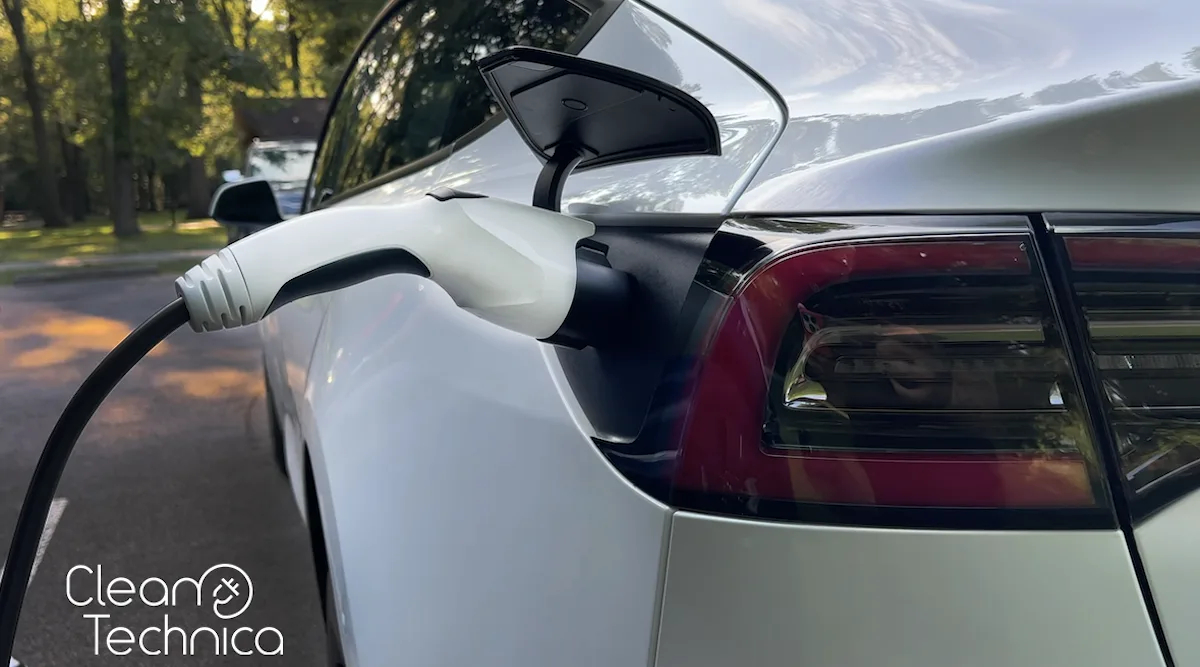
Efforts to expand electric vehicle (EV) charging infrastructure continue to advance steadily across American states, addressing one of the most critical barriers to widespread EV adoption. States are investing in public and private charging networks to improve accessibility, reliability, and coverage for EV drivers.
Many states have rolled out targeted initiatives, combining federal funding with local incentives to accelerate the deployment of fast and ultra-fast chargers. This strategic focus aims to close gaps in the charging network, especially in rural and underserved areas where EV infrastructure has historically lagged.

In addition to expanding hardware, some states are enhancing user experience by integrating charging station data into popular navigation apps and encouraging interoperability between different charging networks. These efforts help reduce uncertainty for drivers and streamline the EV refueling process.
Policies supporting EV chargers now extend beyond urban centers, encompassing highways and secondary roads, which broadens the geographic reach and confidence for long-distance EV travel. Public-private partnerships have played a key role, leveraging investments from utilities, automakers, and technology providers.
Charging infrastructure improvements are aligned with broader climate goals, as states tie their EV infrastructure projects to emissions reductions targets and strategies to transition away from fossil fuel vehicles. This momentum aligns national and regional policies with market shifts toward electrified transportation.
Despite the progress, challenges remain around cost management, grid impacts, and standardization. Some states are investing in grid upgrades and smart charging technologies to mitigate peak load issues while supporting the growing number of EVs.
Overall, the expansion of EV charging infrastructure across states represents a crucial step in enabling the transition to cleaner transportation and advancing national climate ambitions.