

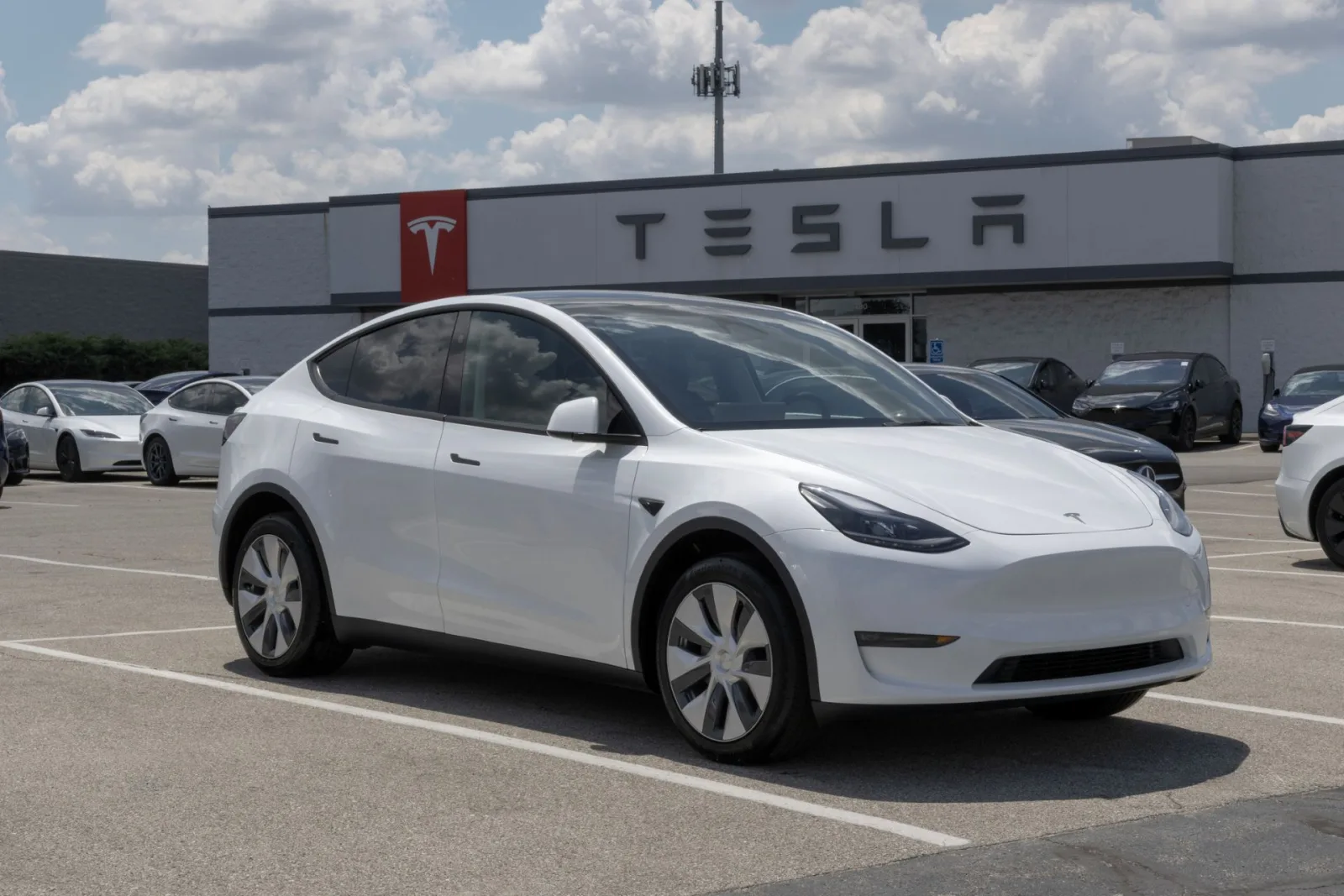
Tesla continues to lead the U.S. electric vehicle market, with the Model Y and Model 3 holding strong as the top-selling EVs in the first half of the year. More than 350,000 buyers chose the Model Y, making it the most popular electric crossover, while the Model 3 secured around 150,000 sales during the same period.
Behind Tesla’s dominance, Hyundai’s Ioniq 5 has gained unexpected momentum, achieving a 9% increase in year-to-date sales and reaching third place with over 20,700 units sold. This rise demonstrates that American consumers are broadening their EV preferences beyond Tesla. Meanwhile, Ford’s Mustang Mach-E experienced a decline in sales, reflecting ongoing shifts in rankings just below the market leader.

Strong sales from Tesla contribute to a larger pool of used EVs, improved user insights, and pressure on competitors to innovate in price, technology, and range. Hyundai’s success with the Ioniq 5 introduces another viable mainstream option for buyers, which helps deepen market diversity and could accelerate the transition away from gasoline-powered vehicles. Higher EV adoption benefits the environment by lowering greenhouse gas emissions and reducing local air pollution, while also providing drivers with lower fuel and maintenance costs.
For consumers, this expanding lineup means more choices tailored to different needs—whether it’s cargo capacity, design, or charging capabilities. Although Tesla remains the market pace-setter, Hyundai’s progress signals tougher competition ahead and better deals for buyers. Electric vehicles generally lower operating costs due to fewer moving parts and offer further savings if drivers can charge at home. Home charging significantly reduces charging expenses compared to public stations and can save hundreds annually. Specialized services like Qmerit provide free estimates and installation for Level 2 home chargers, easing the transition for new EV owners.