

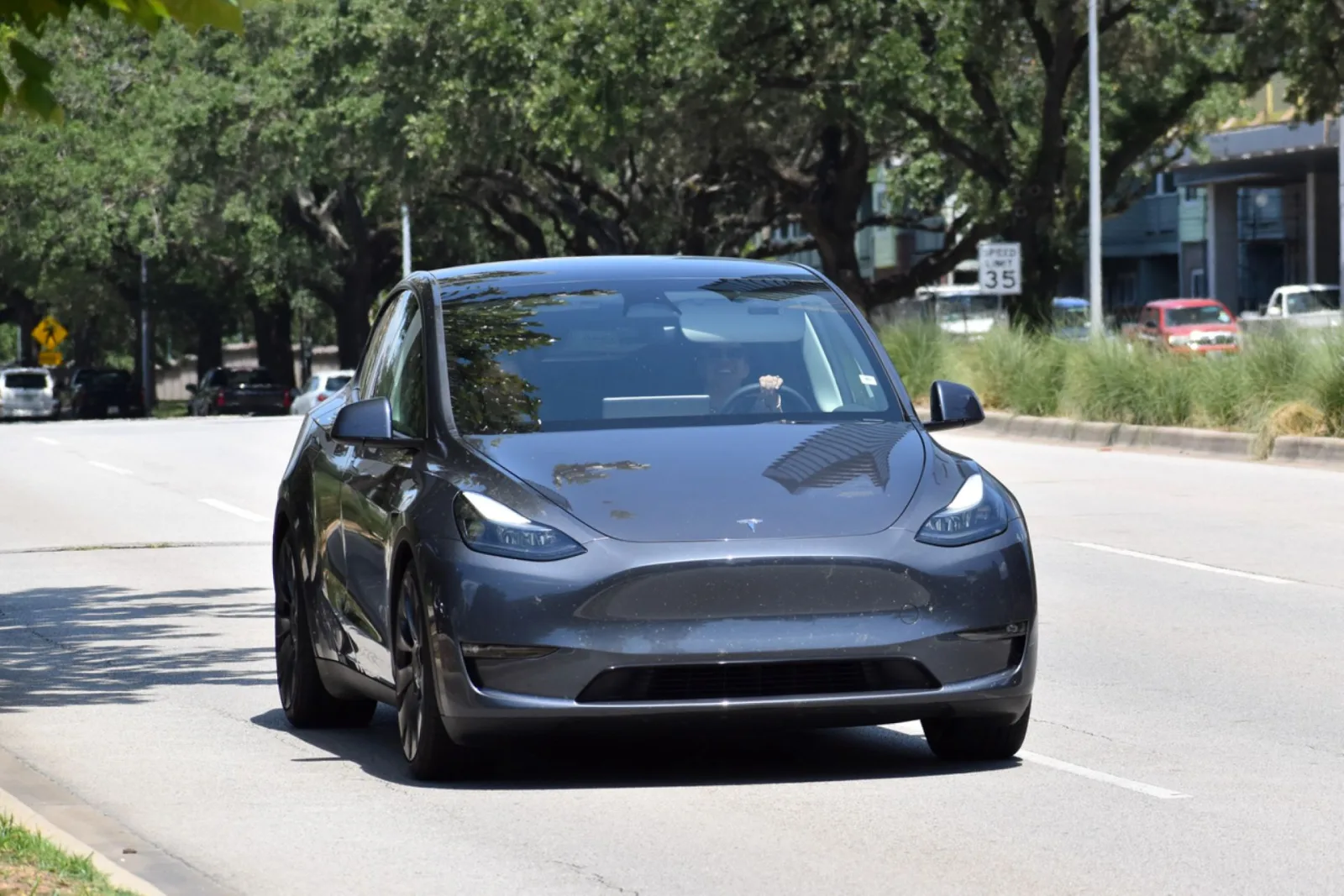
Tesla reported a significant rebound in vehicle deliveries during the second quarter, surpassing Wall Street expectations by a wide margin. The company delivered 480,126 vehicles, exceeding analyst forecasts by nearly 80,000 units and marking a 25% increase compared to the same period last year. This milestone represents Tesla’s second consecutive quarter of growth after facing challenges linked to customer boycotts and softened demand.
The surge in deliveries comes amid reports of improved sales momentum in overseas markets, particularly in Europe. Tesla’s growth in Germany, a previously difficult market, reportedly surged by 300% in May. To stimulate demand, Tesla introduced lower-cost versions of its Model Y and Model 3, alongside reduced leasing and financing costs in Europe, measures that have helped broaden consumer appeal.

Despite the robust delivery numbers, Tesla’s stock experienced a mid-session decline, which analysts attributed to profit-taking after recent price gains rather than concerns over the company’s performance. Although total deliveries climbed, Tesla’s U.S. sales showed a contrasting trend, with estimates indicating a 20% decline year over year. The expiration of the federal EV tax credit contributed to higher purchase prices for some buyers, underscoring how pricing and incentives remain critical to consumer adoption of electric vehicles.
The company continues efforts to expand affordability and accessibility, including enhancing financing offers and broadening availability of its Full Self-Driving (FSD) system where regulatory approval allows. FSD has recently gained approval in several European countries, including the Netherlands, Estonia, Greece, and Lithuania, signaling Tesla’s push to integrate advanced features into its global market strategy.
Tesla’s recent performance highlights the evolving dynamics of the electric vehicle industry, where competition, pricing strategies, and policy incentives decisively shape consumer choices. Greater adoption of EVs stands to reduce transportation-related emissions and advance environmental goals, making Tesla’s trajectory a key indicator for the broader market.