

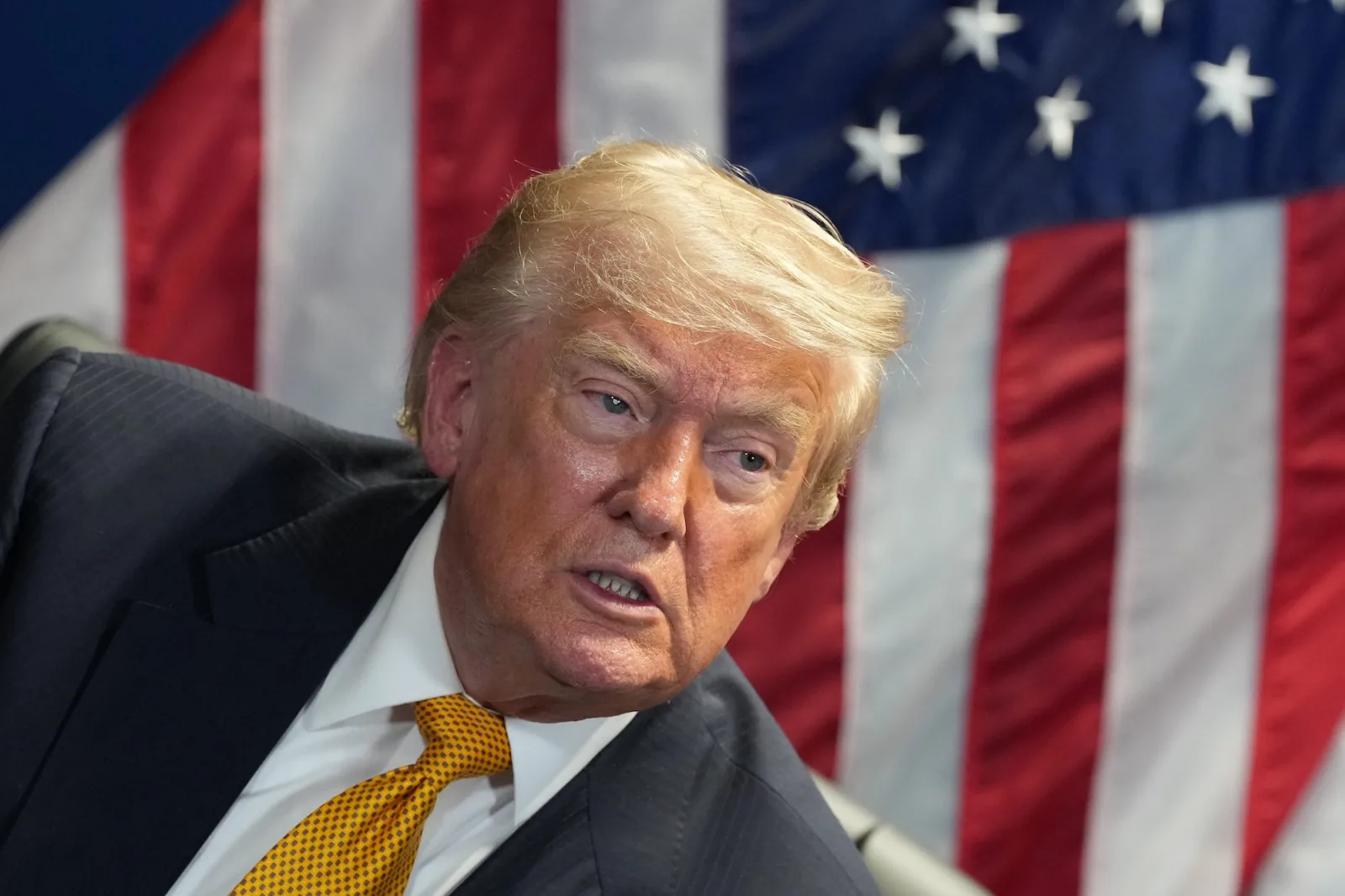
Global financial markets reacted strongly after President Donald Trump indicated that the temporary ceasefire with Iran had ended, causing oil prices to climb sharply and stock indexes to fall worldwide. The Brent crude oil price surged notably, rising over 7%, reflecting fears that renewed hostilities could disrupt oil flows through the critical Strait of Hormuz.
The U.S. stock market responded with a broad selloff. The Dow Jones Industrial Average dropped by more than 700 points, the S&P 500 declined close to 1%, and the Nasdaq composite also suffered losses. Sectors sensitive to fuel costs, including airlines and cruise lines, took significant hits as investors anticipated higher operating expenses amid rising oil prices.

Trump’s remarks came amid ongoing U.S. preparations for renewed military strikes against Iran, intensifying concerns about escalating conflict in the Middle East. Although he allowed that diplomatic negotiations might continue, he expressed skepticism about their success, signaling a hardening stance that rattled investors.
The market turmoil extended beyond energy and transportation. Homebuilders and construction-related stocks also declined sharply amid fears that rising bond yields could push up mortgage rates, dampening demand in the housing sector. Key companies supplying building materials and home improvement experienced double-digit declines in shares.
Despite the overall market pressure, some large technology firms specializing in artificial intelligence showed relative stability. These stocks have been volatile recently due to investor doubts about AI’s ability to deliver expected productivity gains and profits from extensive investments in computing infrastructure. Their steadiness provided a partial cushion against broader losses in the S&P 500.
The spike in oil prices, though significant, remains below the earlier wartime peak when Brent crude neared $120 per barrel. Still, the market jitters highlight the fragile balance in global energy supplies and the impact geopolitical risks have on inflation expectations and central bank policies. Rising inflation could prompt further interest rate hikes, which typically slow economic growth and pressure asset valuations across sectors.