

The United Nations’ Intergovernmental Panel on Climate Change (IPCC) has stepped back from relying on its most extreme global warming scenario, known as RCP8.5 or SSP5-8.5, signaling a shift in how climate futures are projected. This scenario, which predicted catastrophic temperature rises and severe environmental impacts, is now considered less likely due to changes in energy use trends and policy developments worldwide.
Researchers studying climate modeling explained that the high-emissions pathway no longer reflects realistic assumptions about renewable energy adoption, emissions growth, or current climate regulations. This reassessment suggests a narrower range of potential climate outcomes for the 21st century than previously thought, although models will still explore both higher and lower emissions possibilities.

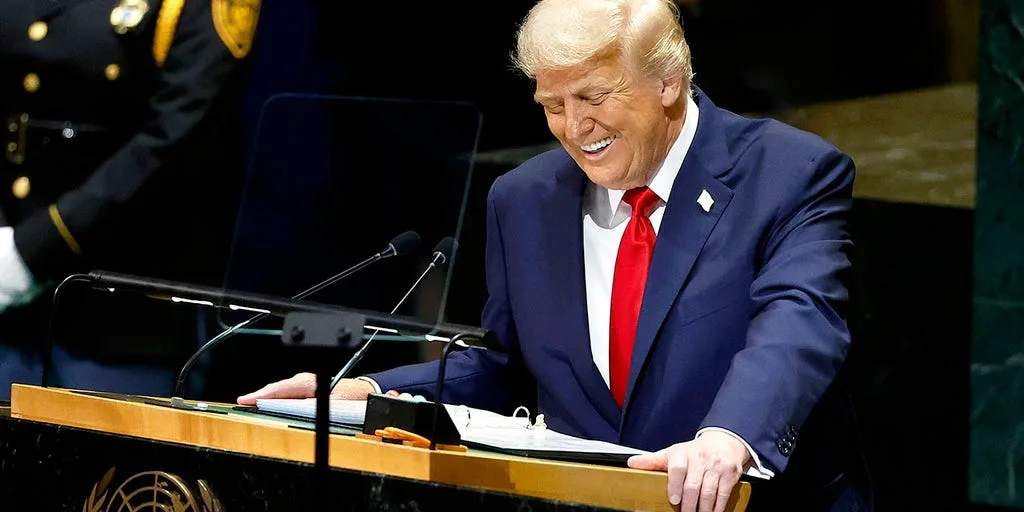
The revision has prompted sharp reactions in political circles. Former President Donald Trump publicly praised the move, asserting that the earlier projections were fundamentally flawed and accusing climate activism of being used to promote costly and ineffective energy policies. These comments echo his previous stance at international forums where he labeled climate change concerns as exaggerated or politically motivated.
Conversely, climate scientists emphasize that despite the phase-out of this extreme scenario, the risks of global warming remain significant. They argue that updating models to reflect credible emission trends better supports informed policy and public understanding of climate change challenges rather than discrediting the broader scientific consensus.
The IPCC’s decision reflects broader changes in the energy landscape, including plummeting costs for renewables and the introduction of more stringent climate policies globally. These factors contribute to the declining plausibility of emissions on the scale assumed by the RCP8.5 scenario, historically used to analyze worst-case futures such as widespread crop failures and drastic sea-level rise.
The ongoing debate highlights the intersection between climate science and political narratives, demonstrating how shifts in scientific modeling can influence policy discussions and public perceptions.