

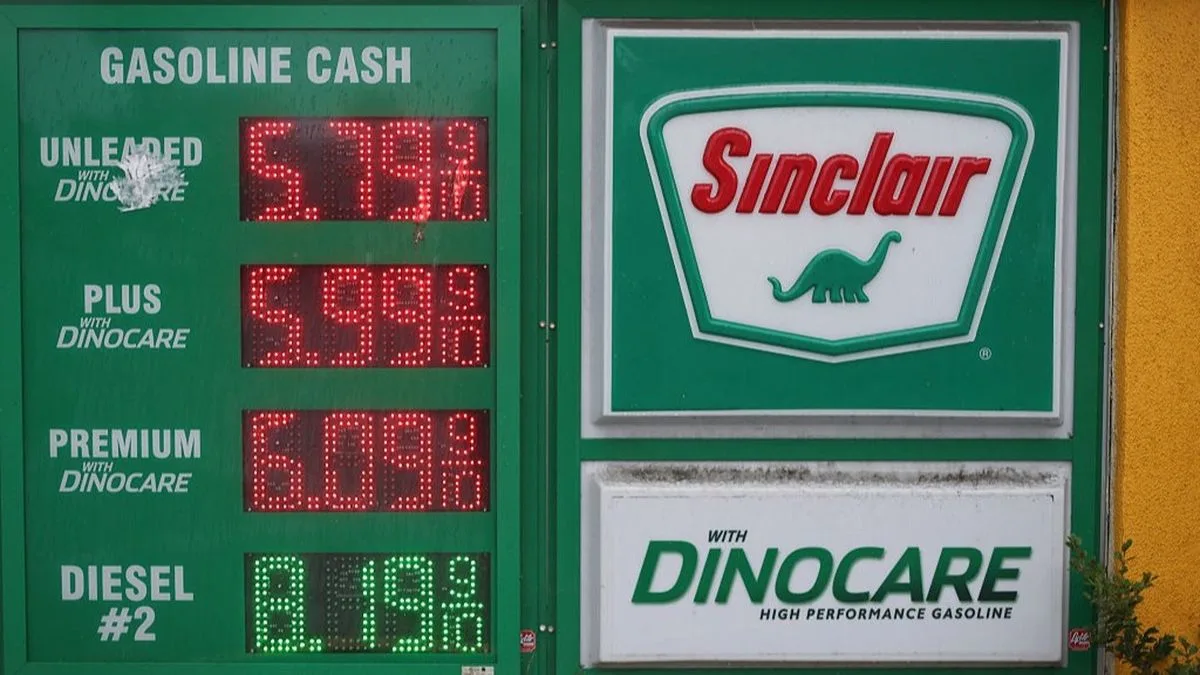
American motorists might not see immediate relief at the pump even if a peace deal is reached to end conflict involving Iran. Specialists point to lingering complications in fuel supply chains that could keep gasoline prices elevated for months.
Damage to key oil refineries and an ongoing shortage of diesel, which is crucial not only for vehicles but also for transporting goods, contribute to a complex energy scenario. These factors may delay widespread improvements in fuel availability and cost nationwide.

The refinery infrastructure in the United States has suffered setbacks in recent times, limiting the capacity to refine crude oil into gasoline and diesel efficiently. This bottleneck, combined with tight diesel supply, means that reduced geopolitical tensions alone will not immediately translate into lower prices.
Diesel shortages pose a particular challenge because diesel powers freight trucks that deliver goods across the country. Disruptions in this sector can create ripple effects, potentially affecting consumer prices beyond just fuel costs.
Energy markets remain sensitive to global developments, and while the cessation of hostilities involving Iran could ease some pressures, domestic factors like refinery operational issues will continue influencing prices. Therefore, American households and businesses may need to brace for a sustained period of elevated fuel expenses.