

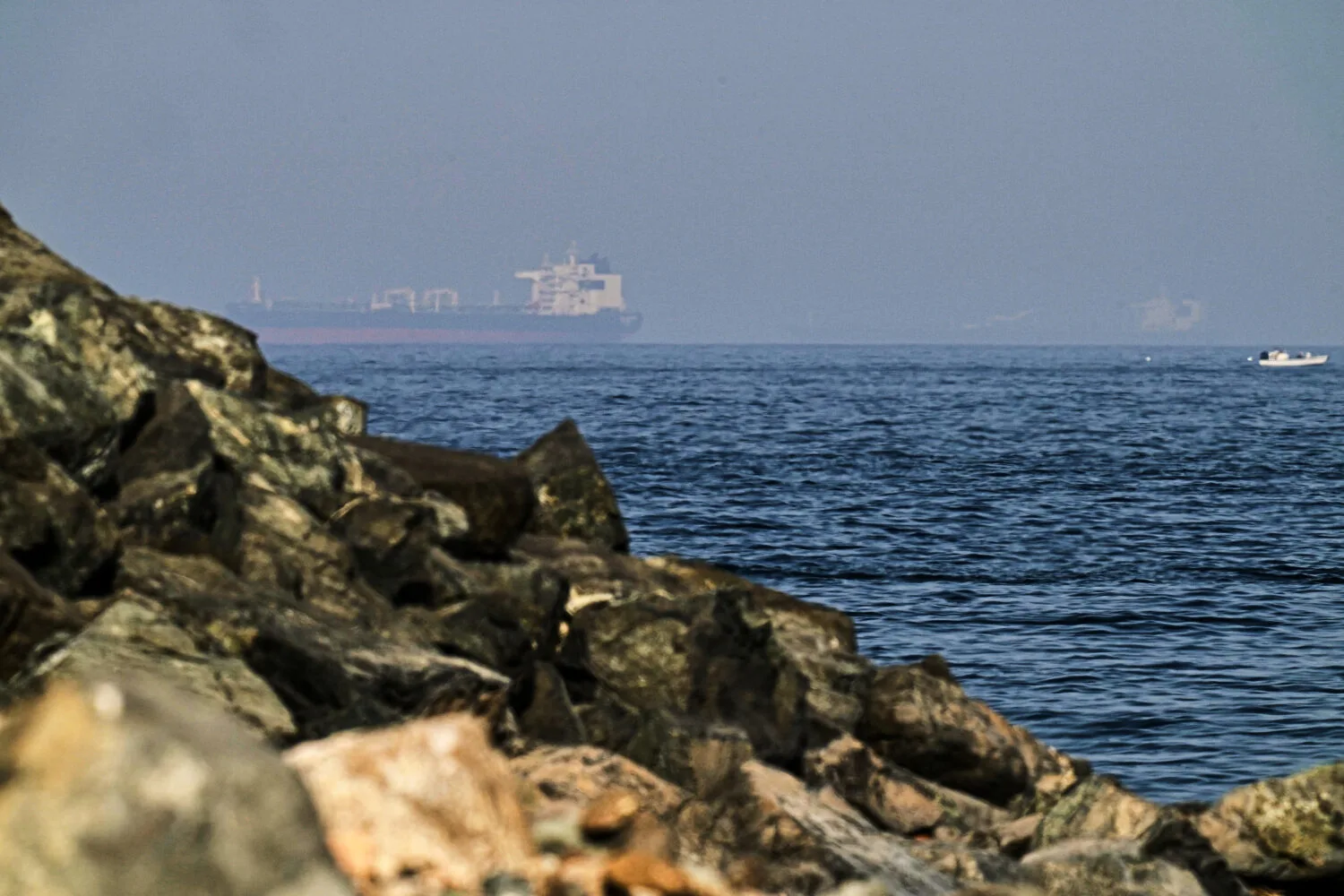
The US military carried out a boarding of the Iranian-flagged oil tanker M/T Celestial Sea in the Gulf of Oman, suspecting it was attempting to breach the American-imposed blockade on Iranian maritime traffic. After searching the vessel, the military redirected it away from its suspected destination, an Iranian port.
This marks the fifth such boarding of Iranian-linked vessels since the blockade began under the Trump administration, which aims to restrict Tehran’s ability to move oil through critical shipping lanes. The blockade was implemented amid ongoing regional tensions and an effort to pressure Iran into negotiations.

The backdrop to this operation includes recent statements from President Donald Trump, who delayed planned military strikes against Iran, citing outreach from Gulf allies who indicated progress might be near in diplomatic talks. Trump had announced preparations for a major attack but deferred it at the request of regional partners.
Iran exerts significant control over the Strait of Hormuz, a strategic choke point through which a substantial portion of global oil supply transits. In response, the US has enforced a naval blockade on Iranian ports and has detained vessels linked to Tehran beyond the immediate area. The blockade began in mid-April during a ceasefire period, aiming to compel Iran to allow free passage through the strait and to negotiate an end to hostilities.
The blockade has paralyzed maritime traffic, with more than 1,500 vessels from nearly 90 countries reportedly stranded in the Persian Gulf, disrupting global energy markets. These tensions contribute to volatile fluctuations in oil prices and have had a ripple effect on gasoline costs in the US, raising concerns within the Trump administration ahead of upcoming midterm elections.