

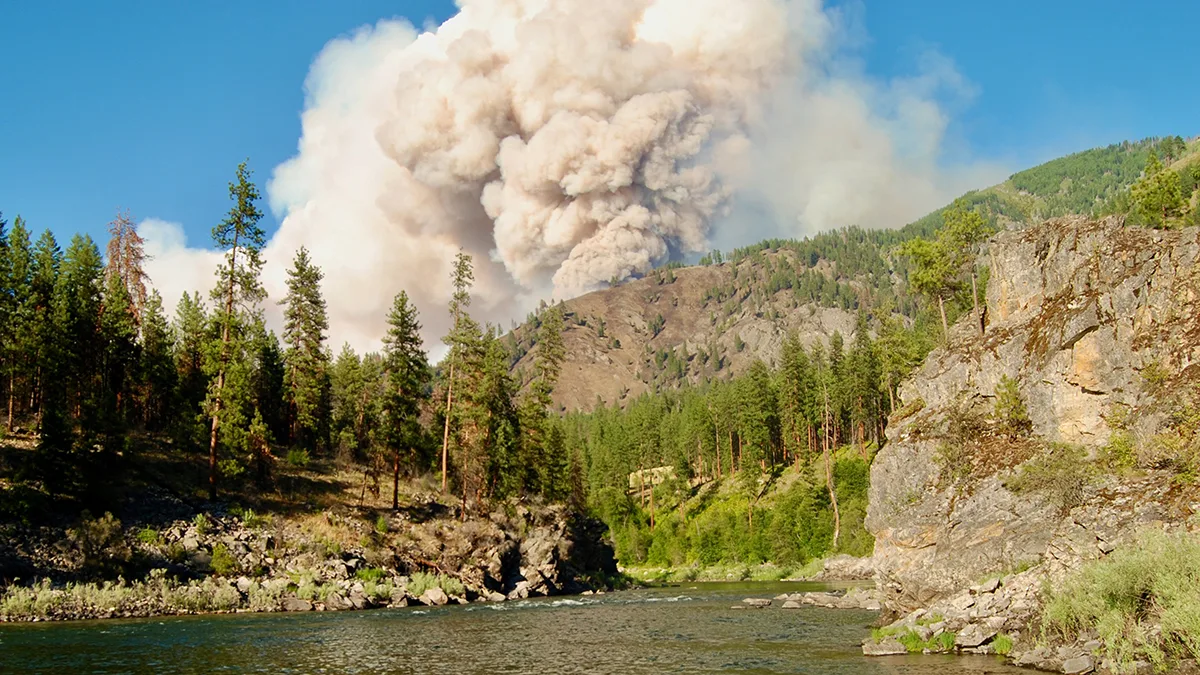
Forests serve as vital carbon reservoirs by absorbing and storing atmospheric carbon dioxide, a key driver of climate change. However, recent research indicates that carbon markets relying on forest conservation and restoration credits fail to fully account for the growing risks that climate change poses to these natural carbon sinks. Sudden forest disturbances—such as wildfires, droughts, and insect outbreaks—release large amounts of greenhouse gases, undermining forestry-based carbon offset efforts.
A team led by University of Utah scientists, working alongside international experts, examined how U.S. forests might respond to climate change over the next century. Their findings highlight a critical flaw in current carbon-credit systems: the buffer pools designed to compensate for forest carbon losses are inadequately sized. These reserves, intended to cover unexpected carbon release from forest disturbances, would need to expand approximately sixfold to adequately insure against anticipated risks in U.S. forestry projects.

The Western United States emerges as particularly vulnerable. Forests there face escalating climate-driven threats, including prolonged drought and more frequent wildfires, which disrupt forest recovery and carbon storage. In some areas, forests devastated by fire have not regenerated, shifting to different ecosystems that capture less carbon. This trend intensifies concerns over how reliable forest carbon credits are as part of broader strategies to achieve net-zero emissions.
Using a combination of forest plot inventories, satellite data, and machine learning models, the researchers pinpointed locations where carbon loss is most probable. Their approach underscores how existing policies may underestimate the frequency and severity of disturbances, particularly in regions already stressed by climate extremes.
The study suggests that improving carbon market resilience requires integrating updated scientific assessments of forest vulnerability. This includes recalibrating buffer pools to better reflect actual risk and incorporating adaptive management strategies that consider climate-driven changes in forest dynamics.
The lead scientist emphasized that while forests remain crucial to carbon mitigation, policy frameworks must evolve to keep pace with environmental realities. Strengthening these mechanisms can help ensure carbon-offset programs operate effectively despite growing ecological uncertainties.