

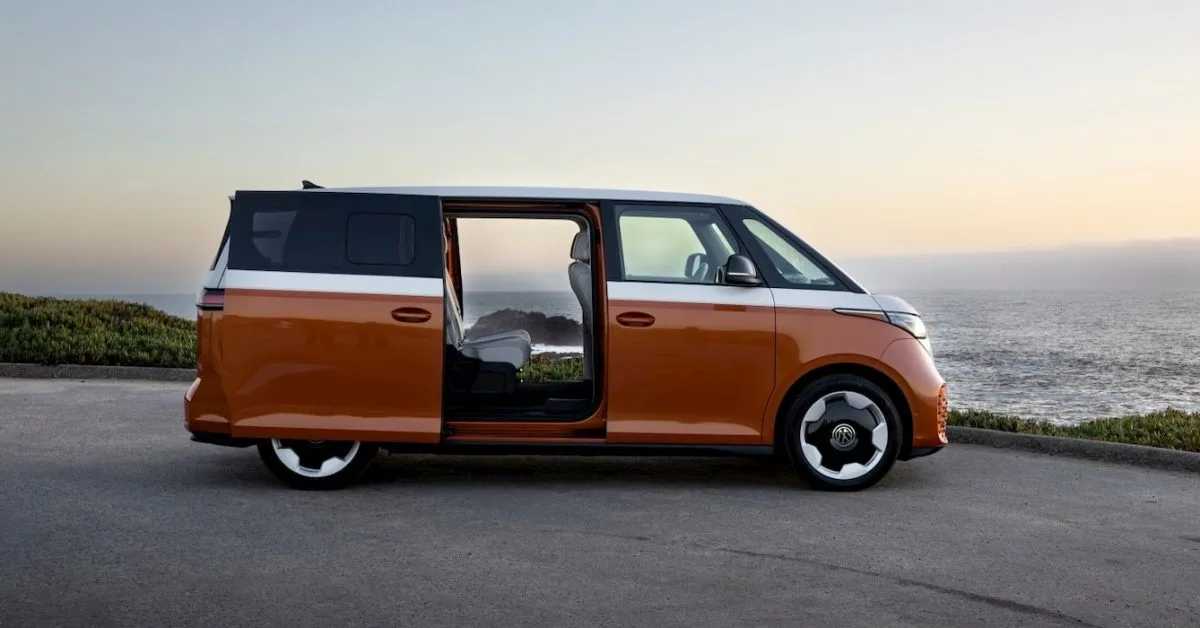
Volkswagen’s electric minivan, the ID. Buzz, has experienced a notable rebound in US sales as the automaker temporarily halted the ID.4 electric SUV to prepare for a major redesign. Even without a new 2026 model, shipments of the ID. Buzz surged, reflecting growing consumer interest in Volkswagen’s EV van ahead of the 2027 update.
The automaker reported selling 1,249 ID. Buzz units in the second quarter, more than doubling last year’s figure of 564 in the same period. This growth comes despite Volkswagen currently offering only the 2025 model year, postponing the 2026 release due to ample existing inventory. The ID. Buzz’s second-quarter numbers also outpaced sales of Ford’s E-Transit electric vans, which totaled 293 in the comparable timeframe.

Meanwhile, the ID.4 SUV faced a production halt at Volkswagen’s Chattanooga, Tennessee plant, with US sales dropping slightly by 6%. No 2027 model of the ID.4 will be released as Volkswagen shifts production focus toward higher-volume gasoline SUVs and prepares to launch a redesigned electric version. The current ID.4 remains available from existing 2026 inventory during this transition.
The upcoming ID.4 redesign, expected to roll out under the new “ID. Tiguan” name, was recently spotted undergoing road testing. Departing from Volkswagen’s alphanumeric naming strategy, the refreshed vehicle aims to resemble a conventional SUV more closely, adopting a squared front end and traditional door handles, similar in style to the internal combustion Tiguan model.
Inside, the ID. Tiguan will introduce Volkswagen’s updated cabin layout, first previewed in the ID. Polo, reintegrating physical buttons after a period of touchscreen-heavy controls. The redesign is likely to bring battery and electric drive improvements, potentially increasing the driving range and charging efficiency beyond the current ID.4’s EPA-rated capability of up to 291 miles on a rear-wheel-drive configuration.
Volkswagen also expanded the ID. Buzz lineup for 2027 with a Tourer variant aimed at overnight camping, signaling an effort to broaden the minivan’s appeal before these updated models reach dealerships. This strategic shift highlights Volkswagen’s investment in electric vans amid a competitive market environment recalibrating SUV and van offerings.