

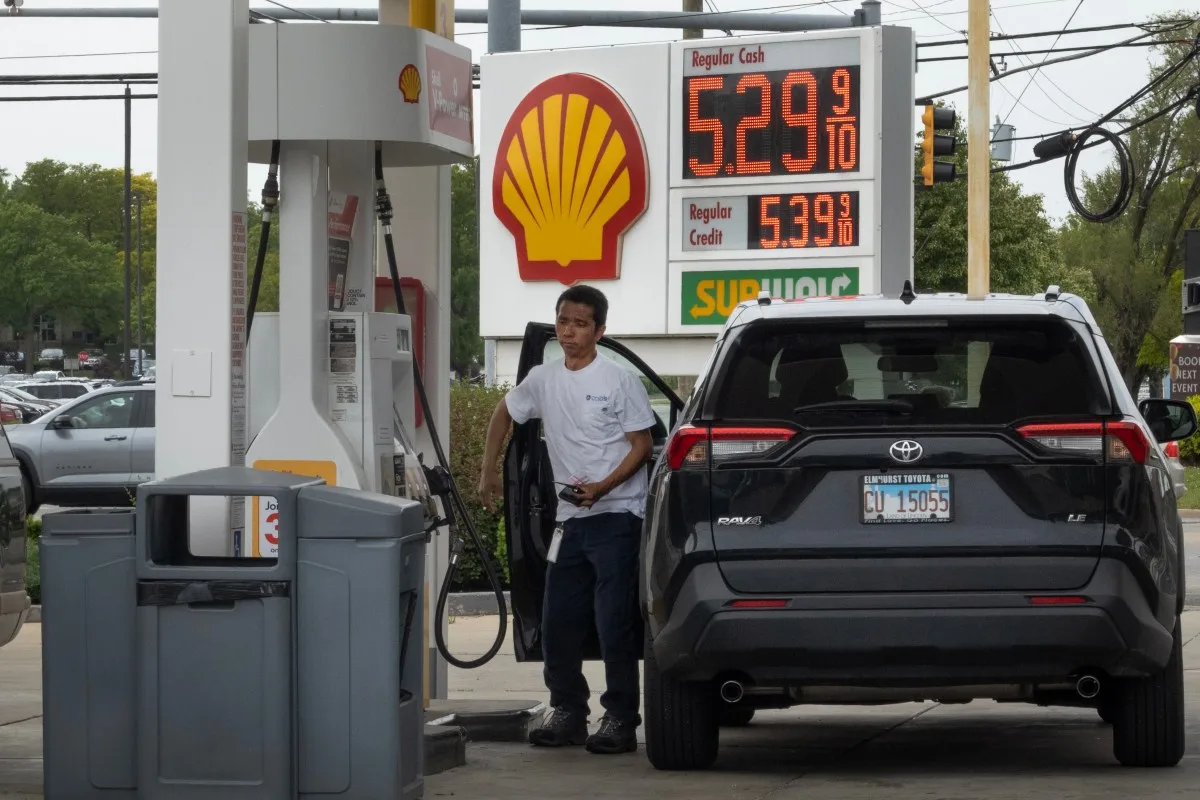
Gasoline prices have surged dramatically across the United States entering the summer travel season, with the West Coast facing the steepest increases. According to AAA data, some states along the West Coast are now paying more than $6 per gallon, marking some of the highest pump prices in recent years. California tops the list, averaging just over $6, while nearby states like Washington, Hawaii, Oregon, and Alaska also report averages well above $5 per gallon.
In contrast, many states in the South and Midwest continue to experience lower fuel costs compared to the national average, though prices in these regions have risen significantly since late winter. This regional gap creates the widest disparity in gas prices seen in several summers, highlighting how local factors—such as environmental regulations, refinery capacity limitations, and fuel supply logistics—impact costs differently across the country.

Travelers should note that these price jumps substantially increase the cost of long-distance driving. For example, a 1,000-mile journey in a vehicle averaging 25 miles per gallon now costs around $178 at the current national average price of approximately $4.46 per gallon. This is a sharp rise from roughly $127 for the same distance last year, adding over $50 to the expense of a single trip. Families planning multiple road trips this summer could find their fuel expenses climbing by hundreds of dollars compared to the previous year.
Geopolitical tensions, particularly ongoing disruptions at the Strait of Hormuz—a vital global oil transit point—continue to pressure global oil markets and keep prices elevated. Analysts warn that these challenges may persist, potentially sustaining higher pump prices for months to come.
Many Americans are already adjusting travel plans due to these costs, opting for shorter trips or fewer vacations. The combination of rising fuel expenses and geopolitical uncertainty is reshaping summer travel habits nationwide.