

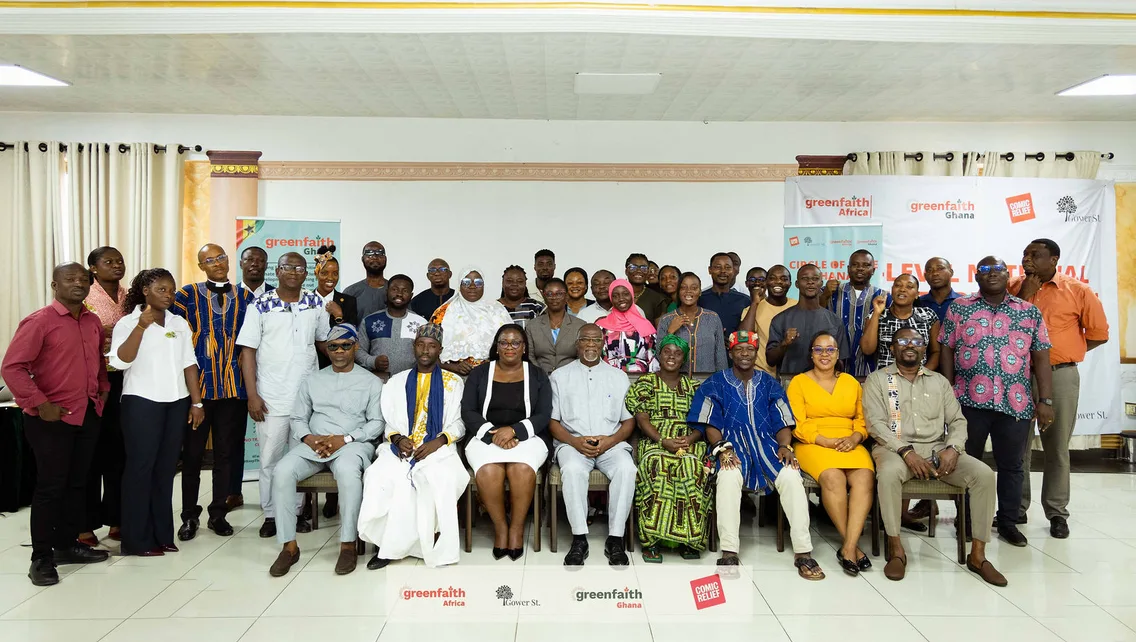
Women in vulnerable communities across Ghana shoulder the largest share of social and economic burdens following climate disasters, according to discussions at a recent multi-faith national dialogue in Accra. The event, organized by GreenFaith Ghana, convened faith leaders, government officials, civil society groups, traditional authorities, and media to deliberate on climate-responsive social protection and community resilience.
Executive Director of GreenFaith Africa, Meryne Warah, explained that women often become the vital support system for families and communities in post-disaster scenarios. She emphasized that beyond the destruction of homes and livelihoods, climate shocks frequently erase essential identity documents such as birth and marriage certificates, creating further hurdles for survivors seeking access to services.

Warah highlighted faith institutions’ growing role as first responders, providing refuge, emotional support, and assistance during disasters. She called for enhanced cooperation among government bodies, faith groups, and civil society organizations to build more effective grassroots resilience systems.
The dialogue also brought attention to the environmental and livelihood challenges faced by communities near energy infrastructure. Nana Morkeh Kpanyinli IV, Chief of Ngalekyi in the Ellembelle District, reported decades-long declines in local fishing yields attributed to operations at the nearby Ghana Gas enclave. While supporting national development efforts, the chief urged for stronger social support and alternative livelihood options to mitigate the hardships endured by residents.
These discussions occur amid increasing national focus on climate resilience and social protection mechanisms tailored to the realities of climate-related shocks in Ghana’s most affected areas. Stakeholders stressed the necessity of integrating vulnerable groups—especially women—into policy frameworks aimed at recovery and sustainable adaptation.