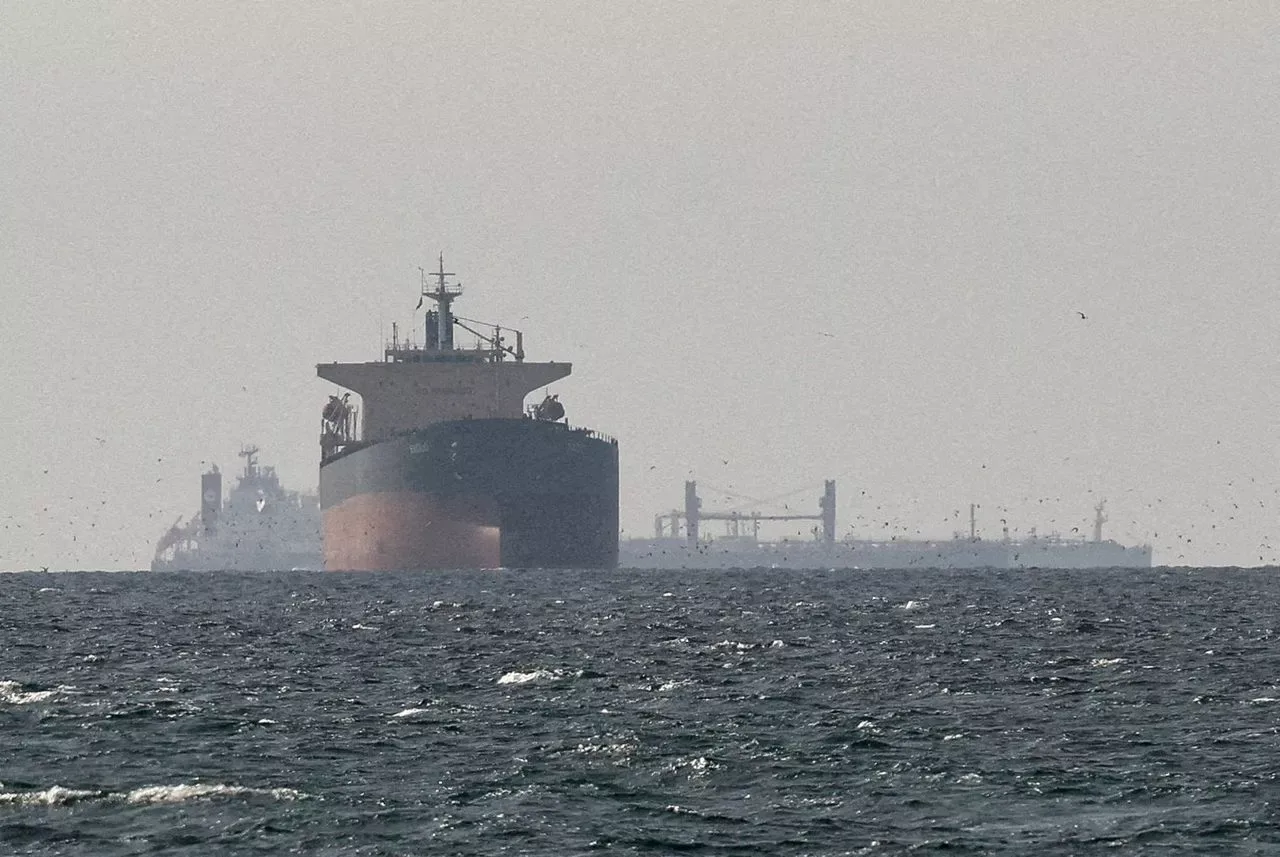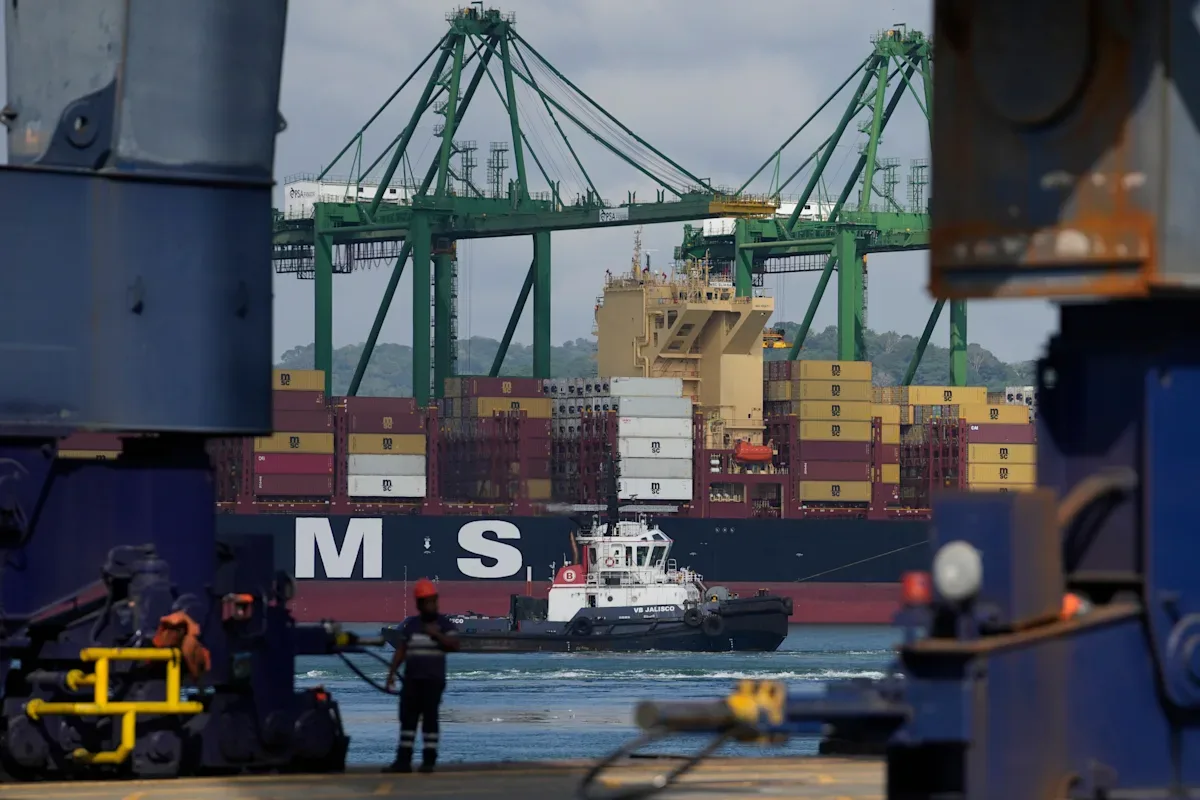
The dispute intensified on Wednesday as China's Foreign Ministry rejected U.S. allegations that Beijing had violated Panama's sovereignty through actions against Panama-flagged vessels. The back-and-forth began in early April when Secretary of State Marco Rubio accused China of "bullying" by detaining or holding up dozens of Panama-flagged ships after Panama took control of two critical ports on the canal from a subsidiary of a Hong Kong-based company.
On Tuesday, the U.S. State Department released a joint statement with five regional allies—Bolivia, Costa Rica, Guyana, Paraguay, and Trinidad and Tobago—characterizing Panama's actions as a "blatant attempt to politicize maritime trade" and expressing solidarity with the Central American nation. Rubio wrote on social media that "the sovereignty of our hemisphere is non-negotiable."

China's Foreign Ministry spokesperson Lin Jian responded sharply at a Wednesday news conference, saying the U.S. statements were "completely unfounded and distort reality." Jian pointed to American military occupation of the Panama Canal historically and accused the United States of attempting to control the international waterway in violation of its neutrality. "The one who has politicized and securitized the issue of ports is the United States," Jian stated.
Panamanian President José Raúl Mulino attempted to moderate tensions, expressing appreciation for regional support while signaling he did not wish to deepen the conflict. "We do not wish to engage in controversy, as we value respectful relations with all nations," Mulino said in a statement.
The confrontation reflects broader U.S.-China competition in Latin America, where Washington has sought to counter Beijing's expanding influence. Panama holds particular strategic importance due to the Panama Canal's role in global trade. Trump has previously accused China of effectively controlling the waterway, and his administration has pursued a more assertive approach to Latin American policy, including actions against Venezuela, Cuba, and Mexican cartels.