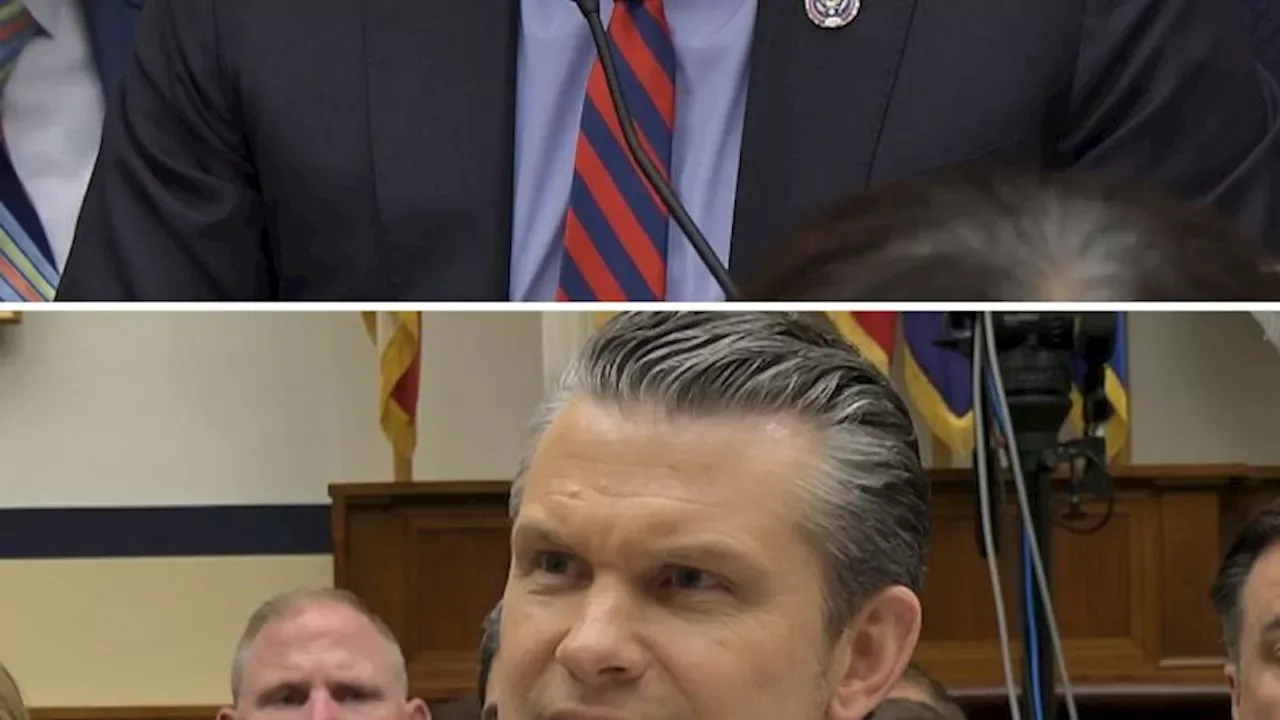
The House voted 215-211 late Wednesday to advance a budget resolution that will enable a second reconciliation package centered on immigration enforcement funding and Department of Homeland Security priorities. The tight margin reflected deep divisions within the Republican conference over competing policy demands, particularly regarding agriculture and renewable fuel provisions.
The standoff centered on a disputed farm bill package and a provision to expand year-round sales of E15 ethanol fuel. To resolve the impasse, Republican leadership agreed to separate the ethanol measure from the farm bill and guarantee a standalone vote on the fuel expansion at a later date.
Speaker Johnson addressed the contentious negotiations in an interview with CNN, acknowledging he has concerns about specific language in the Senate bill but emphasizing unity within the party. "I just got off the phone with the president," Johnson said, noting that he had met with Senate Republican Leader John Thune two hours prior to the vote. "He knows exactly what we're doing. We're all working on the same team. We'll get the job done." When asked if he was defying the White House, Johnson responded, "I'm not defying the White House."
House Budget Committee Chair Jodey Arrington of Texas indicated that discussions about a third reconciliation bill have been ongoing among Republican lawmakers. Arrington projected that the current legislative process would take several weeks to complete.
The budget vote comes amid a broader fiscal crisis affecting the Department of Homeland Security. A partial DHS shutdown remained unresolved as lawmakers returned to Washington, leaving TSA officers and other federal employees in a state of pay uncertainty. Airport disruptions intensified during the shutdown period, prompting the Trump administration to authorize temporary pay measures that helped stabilize operations and reduce staffing shortages. Despite these measures, DHS reported elevated resignation rates and high absentee levels among TSA personnel.
In January, House Democrats had blocked a $1.2 trillion funding package that Republicans sought to fast-track, forcing the measure into a slower legislative process with minimal margin for GOP defections. The Senate-backed bill included DHS stopgap funding and Immigration and Customs Enforcement allocations, though Democrats pushed for stricter immigration enforcement reforms as a condition of support.