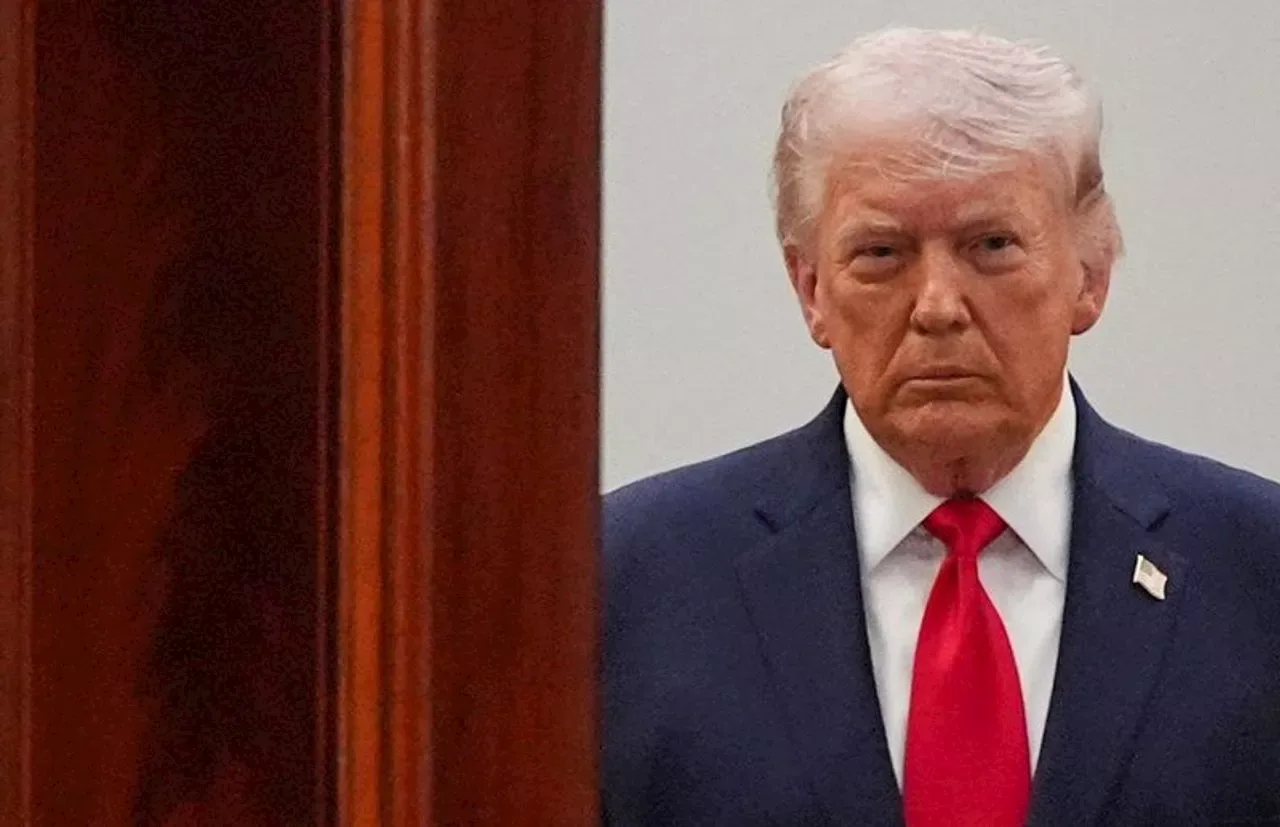
Iran submitted its newest proposal for talks with the United States to mediators in Pakistan on Friday, according to Iran's state-run IRNA news agency. Trump responded by telling reporters he was "not satisfied" with the terms, saying the Iranian side was "asking for things I can't agree to." He did not elaborate on specific objections but characterized Iran's leadership as fractured and disjointed, though he acknowledged they wanted to reach a deal.
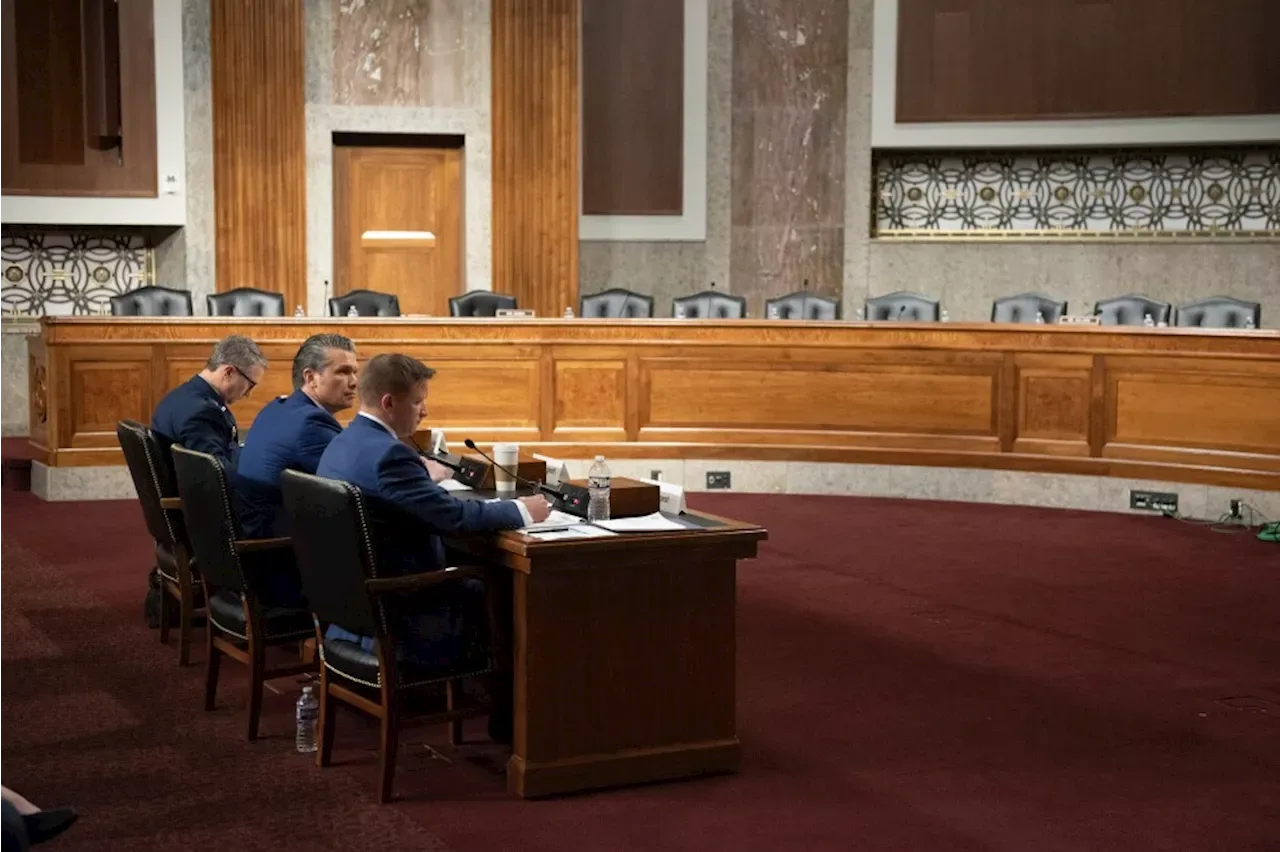
The announcement came as the White House crossed a critical constitutional threshold. May 1 marked the 60th day since Trump notified Congress of military operations against Iran without prior legislative approval. Under the War Powers Resolution of 1973, the president must either withdraw forces or obtain congressional authorization within that period. Trump argued the law was "unconstitutional," claiming his predecessors ignored it as well. Republicans in Congress made no attempt to enforce the requirement, leaving Washington on Thursday after the Senate rejected a Democratic motion to halt the war for the sixth time.

The Trump administration sidestepped the deadline by asserting that hostilities with Iran have effectively "terminated" because of a ceasefire that began April 7. In a letter to Congress, the White House stated that despite continued U.S. military presence in the region, no armed forces have exchanged fire since early April. Defense Secretary Pete Hegseth advanced the argument that ceasefire days should not count toward the 60-day clock, a legal interpretation of questionable constitutional standing.
Trump had begun the war without congressional approval two months earlier. In remarks Friday, he acknowledged the conflict may be far from over, stating that "the threat posed by Iran to the United States and our Armed Forces remains significant" despite what he called successful American operations.
Negotiations have continued by phone after Trump canceled his envoys' planned trip to Pakistan last week. Trump expressed frustration with Iran's divided leadership structure, describing it as "very disjointed" while noting that various factions wanted to make a deal but remained internally fractured.
The ceasefire, which has now lasted three weeks, represents the most concrete diplomatic development in the conflict. However, Trump's dismissal of Iran's proposal signals that substantial gaps remain between the two sides' negotiating positions.