U.S. military operations in Iran have now exceeded 60 days, triggering a constitutional dispute over whether the War Powers Resolution requires Congress to authorize continued American involvement. The Defense Department and White House contend that an ongoing ceasefire effectively halts the legal clock, while critics argue the law's requirements remain unmet.
Defense Secretary Pete Hegseth told the Senate Armed Services Committee that the ceasefire pauses the 60-day countdown mandated by the 1973 War Powers Resolution. "We are in a ceasefire right now, which our understanding means the 60-day clock pauses, or stops," Hegseth said during testimony. The law requires Congress to declare war or authorize military force within 60 days of the start of overseas operations, with a possible 30-day extension if the president requests one. Neither formal authorization nor extension has occurred.

Some Republican lawmakers have endorsed the administration's position. Representative Rich McCormick of Georgia said, "Let's make sure we finish what we started that, this reshaping of that geopolitical space in the Persian Gulf benefits us." Many Republicans have generally supported American military involvement in Iran.
Senate Democrats have mounted repeated resistance to the prolonged presence without congressional approval. A Democratic measure to limit Trump's authority in Iran failed for the sixth consecutive time on Thursday. Senator Elissa Slotkin of Michigan raised concerns about the lack of clarity and fiscal impact. "Where are we here, how much is this costing, what's happening to the lives of our US servicemen... we're sort of at this stalemate and in the meantime, the consumers, you know, Michiganders are paying the price," she said.
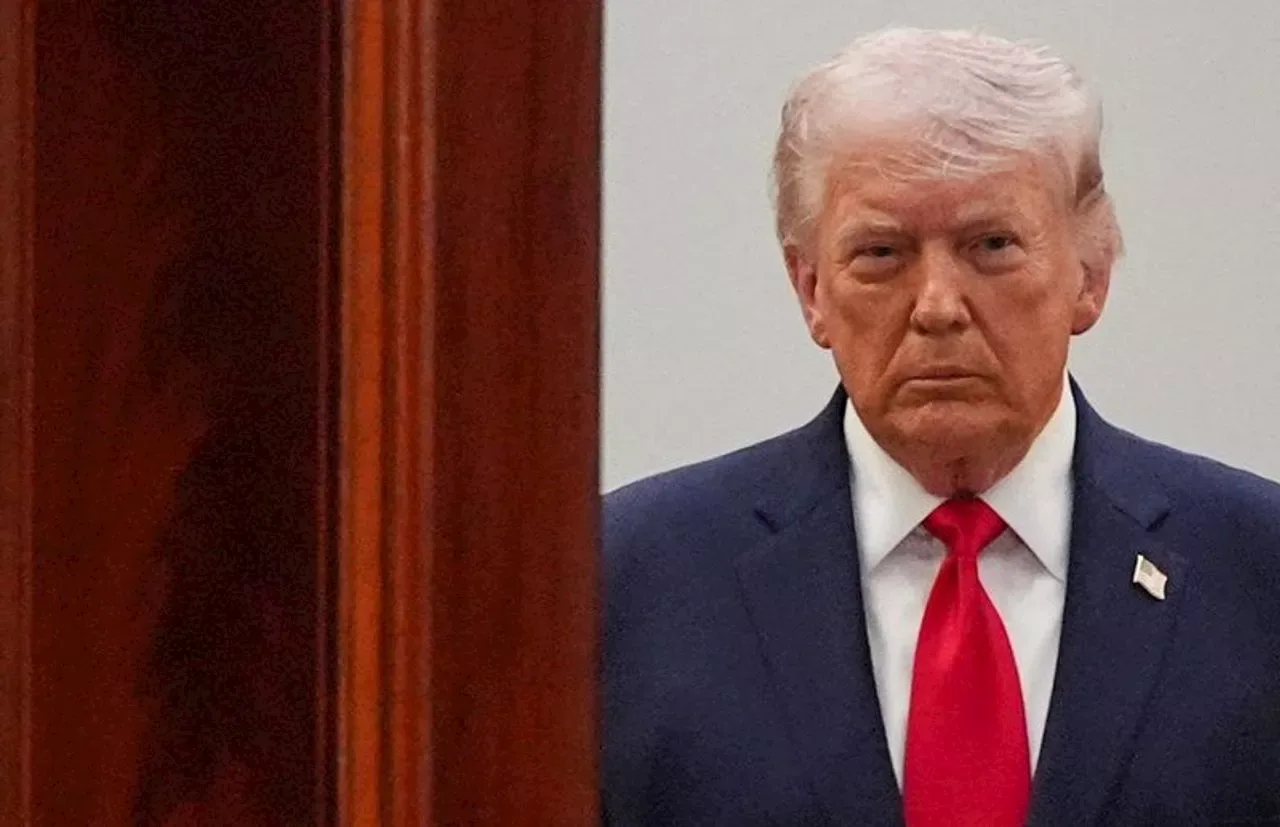
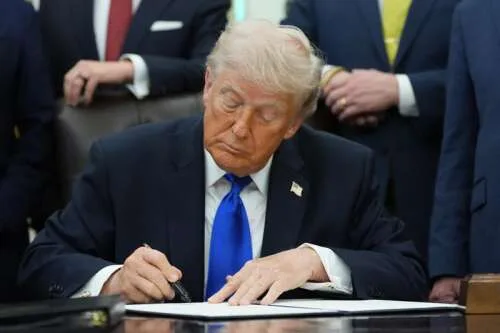
President Trump dismissed calls for congressional approval, suggesting the administration alone will determine any further military action. "We're always in touch with Congress. But nobody's ever sought it before, nobody's ever asked for it before... why should we be different?" Trump said. With lawmakers in recess and the White House pursuing continued peace negotiations, the ceasefire remains in place without a formal end to hostilities or legal resolution of the authorization dispute.