

European equities experienced a significant downturn as geopolitical developments and trade tensions reignited concerns about inflation, unsettling investors who had recently grown optimistic about easing price pressures. The STOXX 600 index dropped by 1.8%, marking its largest daily decline in weeks and ending near its lowest point in seven days.
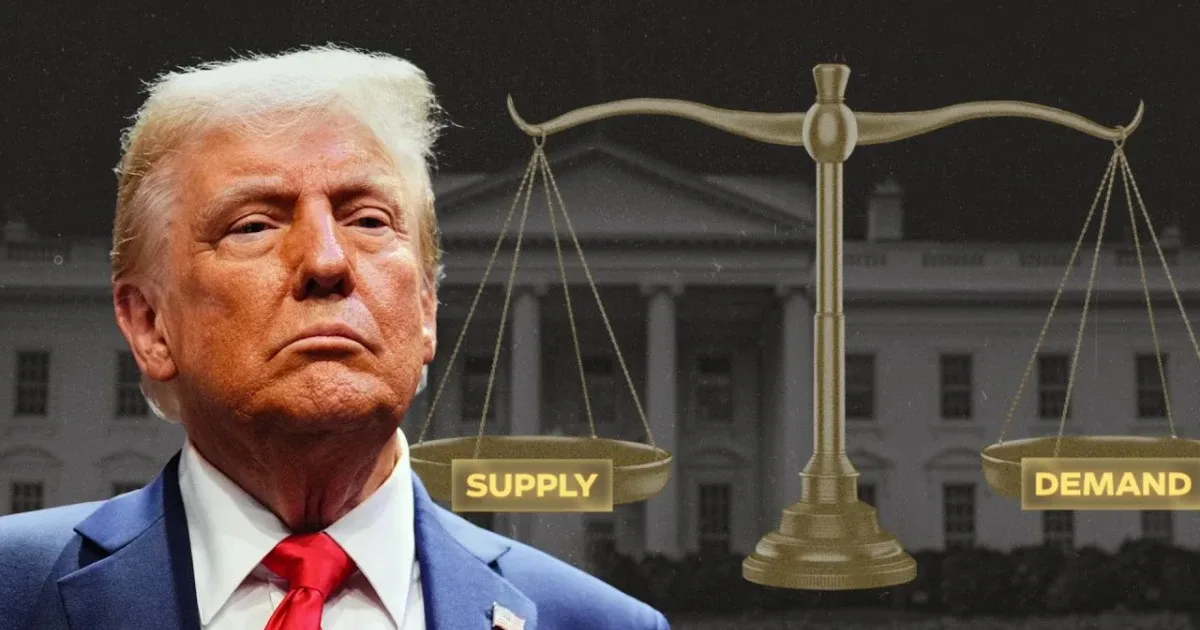
The selloff accelerated after former U.S. President Donald Trump announced a directive to sever trade ties with Spain, criticizing Madrid over its refusal to meet NATO’s defense-spending benchmark. This confrontation cast doubt on transatlantic cooperation, further rattling markets still sensitive to political uncertainty.

Simultaneously, renewed hostility in the Middle East pushed crude oil prices higher, intensifying worries about sustained inflationary pressure. The prospect of rising fuel costs has complicated central banks’ monetary policy outlooks, with traders swiftly raising expectations for additional interest rate increases by the European Central Bank this year.
Spain’s market suffered the most pronounced losses, with the IBEX index plunging 2.7%, its steepest daily drop since early March. Investors reacted to fears that diplomatic rifts could escalate sanctions or disrupt trade partnerships, deepening concerns about the stability of key alliances.
The energy sector benefited from higher oil prices, but companies sensitive to fuel costs, including airlines like Air France and Wizz Air, saw their shares decline sharply. Beyond energy and transport, other industries such as basic resources, construction, and materials also faced downward pressure.
This market turbulence carries broader implications. Rising oil prices enhance profitability for energy producers but threaten to increase transportation expenses and consumer prices globally. For U.S. investors, the spillover effects may hinder the Federal Reserve’s ability to justify aggressive rate reductions, as sustained fuel inflation can feed into the broader economy and inflation data.