

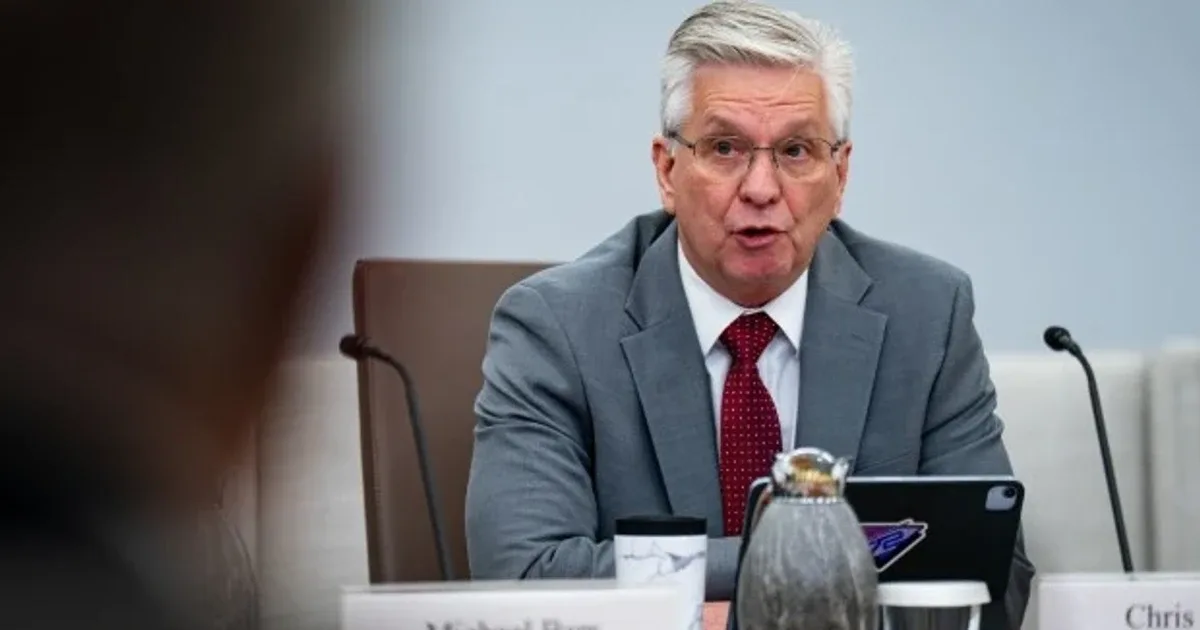
Federal Reserve Governor Christopher Waller indicated that the central bank might need to raise interest rates if inflation continues to run above the Fed’s 2% target for several months. His remarks highlight the cautious stance policymakers are taking amid ongoing inflation concerns.
Speaking at a business economics event, Waller stressed that while the broader economy remains solid—supported by steady household spending, business investment, and a stable labor market—inflation is still too high. He noted that core personal consumption expenditures inflation recently rose from 3.0% to 3.4%, signaling upward pressure on prices.

According to Waller, this inflation trajectory extends the period before any rate cuts become viable, potentially keeping mortgage rates and other borrowing costs elevated. He cautioned that further tightening might be necessary even as consumers and businesses continue spending, which complicates the Fed’s policy outlook.
The Federal Open Market Committee decided at its recent meeting to keep interest rates steady in the 3.5% to 3.75% range but acknowledged that inflation remains elevated despite solid economic growth. Waller’s comments suggested that if upcoming inflation figures remain high, the Fed could revisit its current stance and possibly increase rates.
Waller emphasized the importance of acting decisively if inflation worsens, warning against complacency that could jeopardize anchored inflation expectations. Simultaneously, he expressed concern about raising rates too aggressively, which might trigger a recession. This tension reflects the Fed’s challenging balance between controlling price pressures and supporting economic stability.
The broader geopolitical context, including renewed tensions with Iran that risk pushing energy prices higher, adds uncertainty to the inflation outlook. Waller also pointed out that recent inflation spikes appear to stem from more than just tariffs and energy costs, suggesting sustained inflationary forces.