

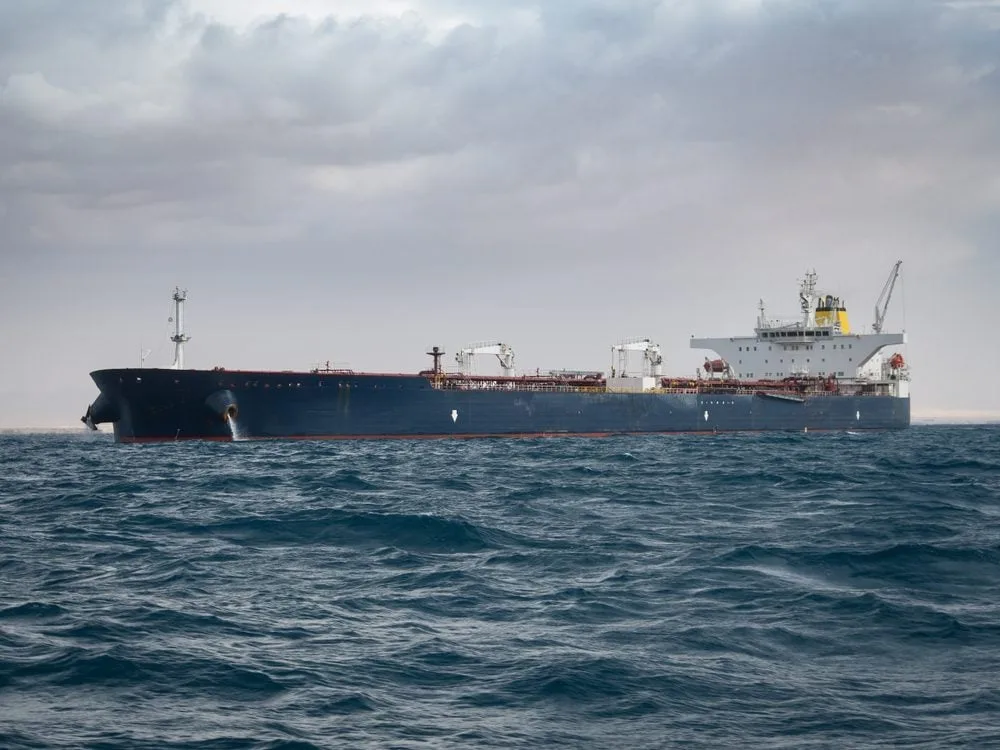
The ongoing disruptions at the Strait of Hormuz have sparked warnings of a potential squeeze on global energy supplies that could compel a sharp drop in oil and natural gas consumption. Lorie Logan, President of the Dallas Federal Reserve, highlighted that if shipping through the strait does not return to pre-conflict levels soon, the world may need to adapt to using considerably less energy.
Before recent hostilities between the U.S., Israel, and Iran, about one-fifth of the world’s oil and liquefied natural gas passed through this narrow passage. Since the conflict began, Iran has restricted maritime traffic, driving up prices not only for energy but also staples like food and fertilizer. Logan stressed that the economic impact hinges on how effectively consumers and industries can shift to alternative energy sources or improve efficiency instead of simply reducing activity.

According to a survey of U.S. oil industry executives conducted by the Dallas Fed, domestic oil production is expected to increase modestly this year and the next, far below the scale needed to compensate for the sharp global supply drop of roughly 13 million barrels per day since the conflict started. Much of this shortfall has been temporarily met by depleting global reserves, which are not unlimited. Logan emphasized that the physical availability of oil molecules fundamentally limits consumption and projects energy markets will eventually stabilize, even if current conditions are strained.
Beyond energy, Logan used her prepared remarks to address vulnerabilities in the Treasury securities market, advocating for enhanced oversight and central clearing of Fed-issued Treasuries. She warned that growing leveraged positions in the market could unravel swiftly if faced with funding or price shocks, threatening the stability of government financing and monetary policy implementation.
Logan was one of three Federal Reserve policymakers who dissented from the recent interest rate decision, believing the Fed should signal the possibility of both rate hikes and cuts amid rising energy-related inflation. However, she refrained from making specific economic forecasts or commenting on near-term monetary policy in this speech.