

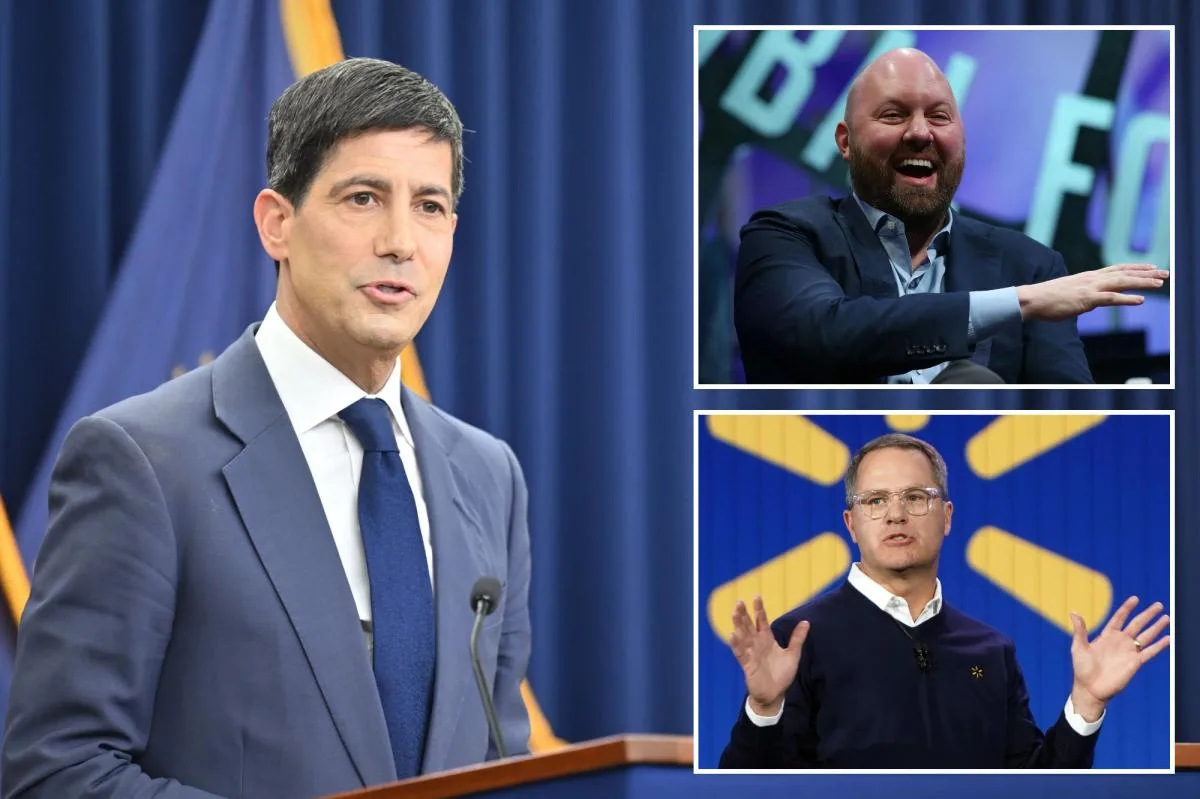
The Federal Reserve has formed five specialized task forces co-led by top economists and industry executives to explore significant updates to its policy tools and analytical methods. This initiative, announced under the direction of Fed Chair Kevin Warsh, reflects a push to reassess how the central bank navigates an evolving economic landscape, including the impact of emerging technologies like artificial intelligence.
Among the appointed leaders, venture capitalist Marc Andreessen will head the task force focusing on AI’s influence on productivity and employment. He will collaborate with Asha Sharma, an executive at Microsoft and CEO of its Xbox division, as well as Charles Jones, a Stanford economist temporarily working with AI firm Anthropic. This team aims to identify how AI-driven innovation can reshape the labor market and economic output.

Another panel will critique and refine the Fed’s data sources. Harvard economist Raj Chetty, known for pioneering long-term economic mobility studies using large datasets, will co-lead this effort alongside former Walmart CEO Doug McMillon and University of Chicago economics professor Kevin Murphy. The task force will assess the accuracy and relevance of information guiding monetary policy decisions.
Additional task forces will cover themes spanning the application of new analytical tools, improvements in policy strategies, and broader structural shifts in the U.S. economy. Each group will have three co-leaders and receive support from Federal Reserve staff, enabling a collaborative and multidisciplinary approach to policy reform.
Warsh has advocated for what he terms “regime change” within the Fed to modernize its roughly $6.7 trillion portfolio in government bonds and reduce the transparency of interest rate signaling. While the full extent of proposed reforms remains uncertain, the selection of respected figures from business and academia suggests an intention to build consensus among Fed officials rather than impose unilateral changes.
In a statement, Warsh emphasized that the U.S. economy’s transformation over recent decades demands a reexamination of standard policy practices and analytical frameworks. The task forces will carefully evaluate whether the Fed’s current tools are sufficient or require adaptation to better address contemporary economic challenges.