

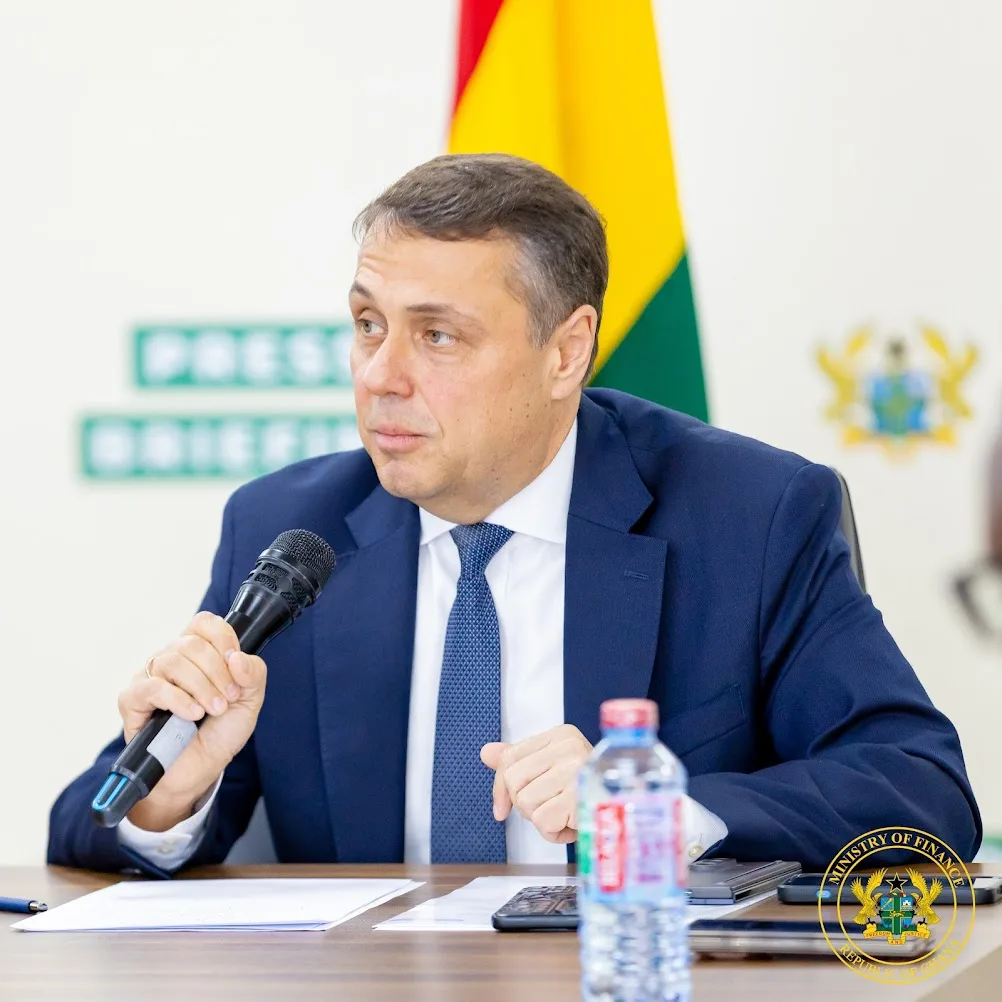
Ghana stands at a pivotal moment to convert its recent fiscal discipline and economic stabilization into accelerated growth and job creation, according to officials from the International Monetary Fund (IMF). The conclusion of Ghana’s three-year US$3 billion loan-supported Extended Credit Facility (ECF) program transitioned the country into a new 36-month Policy Coordination Instrument, signaling a shift from stabilizing the economy to fostering development.
The IMF’s Chief Mission for Ghana highlighted that the country’s reform efforts have yielded considerable fiscal space—an opportunity created through strong policy measures that now permits the government to fund strategic investments. This fiscal room should be channeled toward sectors that drive economic growth and employment expansion. However, the transition involves navigating two key challenges: maintaining fiscal discipline with tighter control of expenditures, especially within state-owned enterprises, and preparing for volatility in gold prices, a critical commodity for Ghana’s economy.

Managing public spending carefully was emphasized, including avoiding expenditures outside the central government budget and leveraging public-private partnerships to ensure efficiency. Regarding the risks linked to fluctuating gold prices amidst a volatile global geopolitical landscape, the IMF advised Ghana to build financial buffers while terms of trade remain favorable.
The country’s Finance Minister outlined a post-ECF focus on three interlinked priorities: stability, resilience, and development. Stability, already confirmed by the IMF, forms the foundation for building economic resilience, which in turn will support sustainable development and job creation. The minister also announced the upcoming launch of a flagship strategy called the ‘new economy,’ aiming to target vital areas for growth and employment generation.
This strategic framework signals Ghana’s intent to capitalize fully on the hard-earned fiscal space created through its reform agenda, translating financial stability into tangible benefits that reach the broader population.