

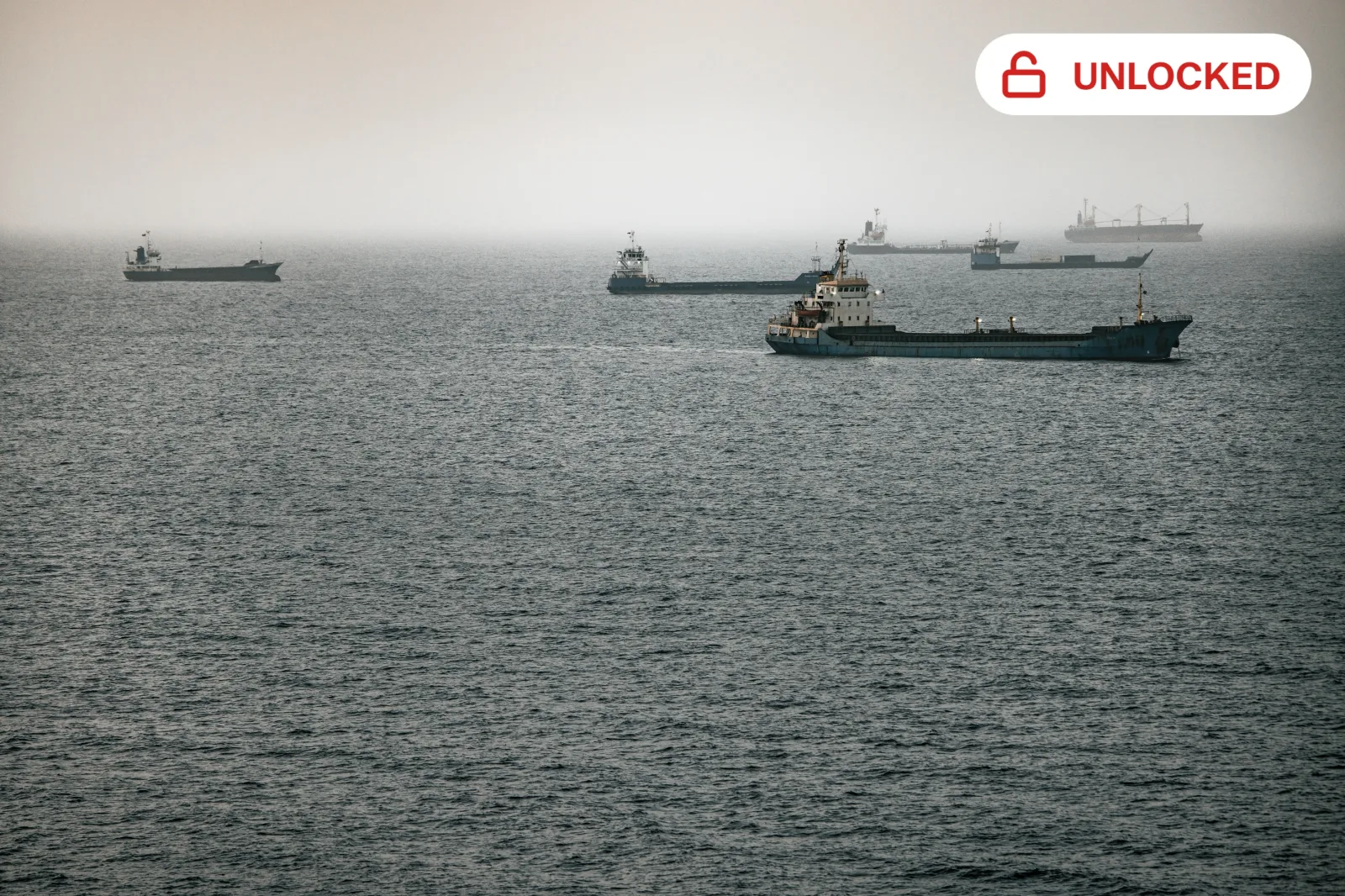
The sudden closure of the Strait of Hormuz following U.S. and Israeli military actions cut off a significant portion of the world’s crude oil supply, initially sparking panic across global energy markets. This chokepoint accounts for about a fifth of global crude exports, and its shutdown threatened to surge oil prices well beyond historic highs.
After the initial shock pushed crude benchmarks above $100 per barrel and sent gasoline prices in the United States to record levels, analysts anticipated prolonged market turmoil if the conflict dragged on. Industry experts warned that dwindling inventories would exacerbate price spikes and ripple through economies worldwide.

However, in the months following the disruption, oil prices surprisingly eased even before a ceasefire agreement was reached. Factors such as market adaptations, alternative supply routes, and strategic reserves helped offset shortages despite the Strait’s continued closure. This market response challenges assumptions about fragility and highlights the global economy’s capacity to adjust when markets are allowed to function.
The International Energy Agency characterized this episode as the largest supply disruption ever recorded. Still, the resilience displayed by global commodity markets demonstrates the limits of relying on extreme events to justify sweeping industrial or protectionist economic policies. Experiences from the pandemic and this conflict suggest that open markets and diverse supply chains remain the best mechanisms to absorb shocks from geopolitical crises.