

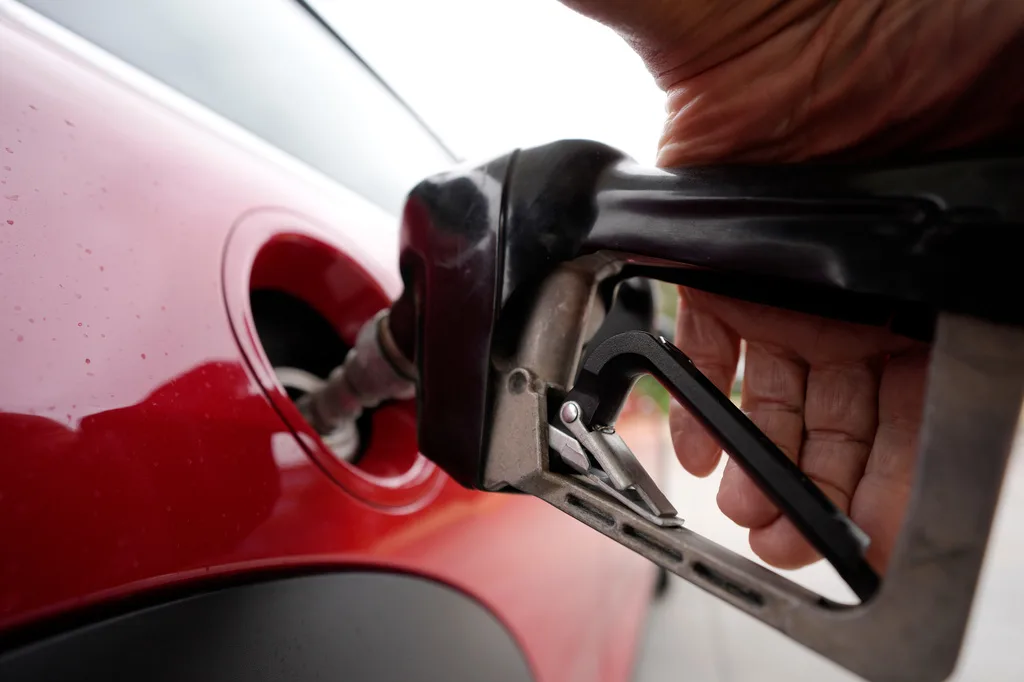
Inflation in the United States surged to 3.8% in April compared to a year earlier, marking the most significant yearly increase in three years. The rise puts additional pressure on American households as prices climb across essential categories such as gasoline, groceries, clothing, and electricity.
The Commerce Department’s report revealed that prices increased by 0.4% from March to April, slowing from the prior month’s 0.7% rise but still exceeding the Federal Reserve’s 2% inflation target. Excluding the volatile food and energy sectors, core inflation—considered a more stable measure—also ticked up to 3.3%, the highest since the previous October.

Despite the inflationary pressures, personal incomes held steady from March to April. However, when adjusted for rising prices, Americans experienced a slight decrease in real income, partly due to the end of a government aid program that supported farm incomes. Consumer spending increased by 0.5% on a nominal basis, but inflation-adjusted spending edged up only marginally, indicating that much of the extra spending is driven by higher prices rather than increased consumption.
This inflation trend challenges Federal Reserve policymakers, who have flagged that interest rate hikes may be more likely than cuts this year if inflation persists above target. The persistent inflation across multiple sectors suggests that cost pressures will continue to weigh on both households and the broader economy, complicating efforts to sustain growth ahead of upcoming midterm elections.
Meanwhile, the economy grew at a modest 1.6% annual rate in the first quarter, bouncing back from a subdued performance in the previous quarter affected by a government shutdown. Revised data also downgraded earlier growth estimates from 2% to 1.6%, covering a period influenced by international tensions such as the Iran conflict. Amid these mixed signals, consumers face tighter financial conditions as inflation chips away at their purchasing power.