

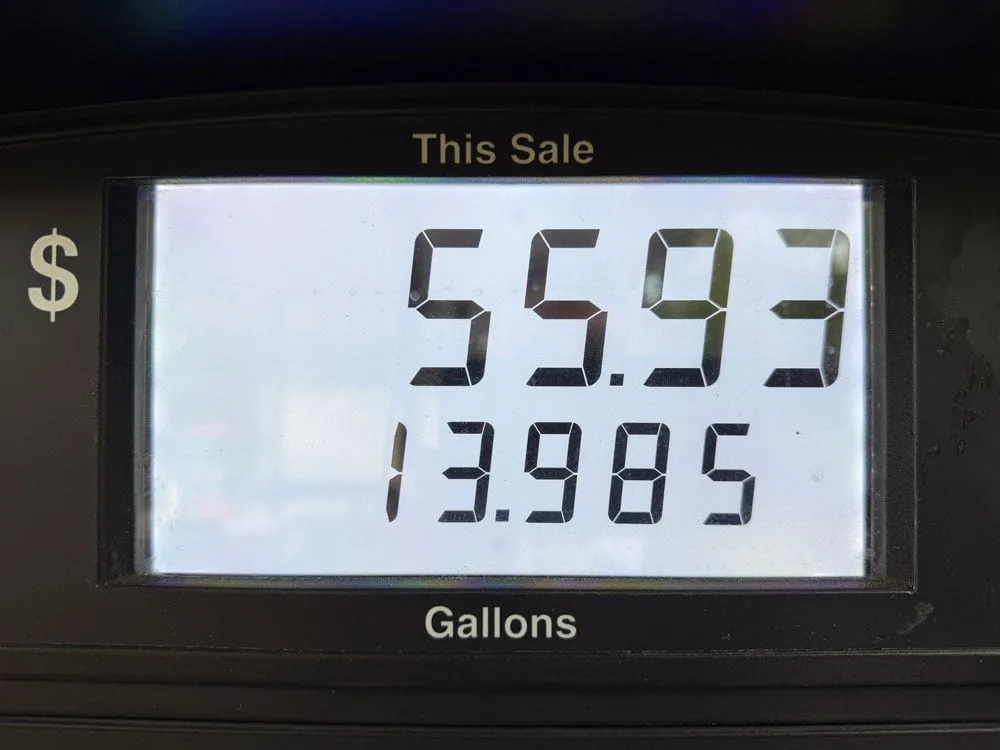
Inflation in the United States has extended well beyond the rise in gasoline prices, affecting multiple sectors including housing, utilities, and recreation. New government data shows that overall consumer prices climbed significantly over the past year, marking the fastest inflationary pace since 2021. While monthly price increases moderated slightly, the annual growth rate remains elevated, indicating persistent inflationary pressures.
The central inflation gauge monitored by policymakers, the core Personal Consumption Expenditures (PCE) Price Index—which excludes volatile food and energy costs—also continues to rise. This is significant because core PCE offers a clearer picture of underlying inflation trends and is a primary focus for the Federal Reserve’s interest rate decisions. The recent increases suggest that inflation is now more deeply embedded in everyday expenses rather than just temporary spikes in gas prices.

The broader inflation dynamics stem partly from the surge in energy costs, influenced by international conflicts and supply chain disruptions such as the closure of the Strait of Hormuz. Energy prices not only feed directly into consumer inflation numbers but ripple through the economy by increasing transportation, production, and utility expenses. This can lead to higher business costs and consumer prices across the board.
Economic experts warn that this spread of inflation raises the risk of entrenched price growth. If consumers and workers begin to expect sustained inflation, wage demands may rise, creating a wage-price spiral that further intensifies inflationary trends. Recent consumer data reinforce this concern, with the Consumer Price Index reporting sharp increases in energy-related costs like airline fares and groceries, marking some of the steepest monthly gains in years.
Despite signs of slowing economic growth and weaker income gains, price pressures appear to remain strong, creating a complex environment of rising costs paired with cautious consumer spending. This tension complicates the outlook for policymakers tasked with controlling inflation while avoiding deeper economic contraction.