

Inflation accelerated sharply in April, reaching a three-year high that continues to strain household budgets across the United States. The Consumer Price Index climbed 3.8% over the past year, marking a rise from March’s 3.5% rate, according to government data. Monthly price growth was recorded at 0.4%, indicating persistent inflationary pressures despite a slight easing from the previous month’s 0.7% increase.
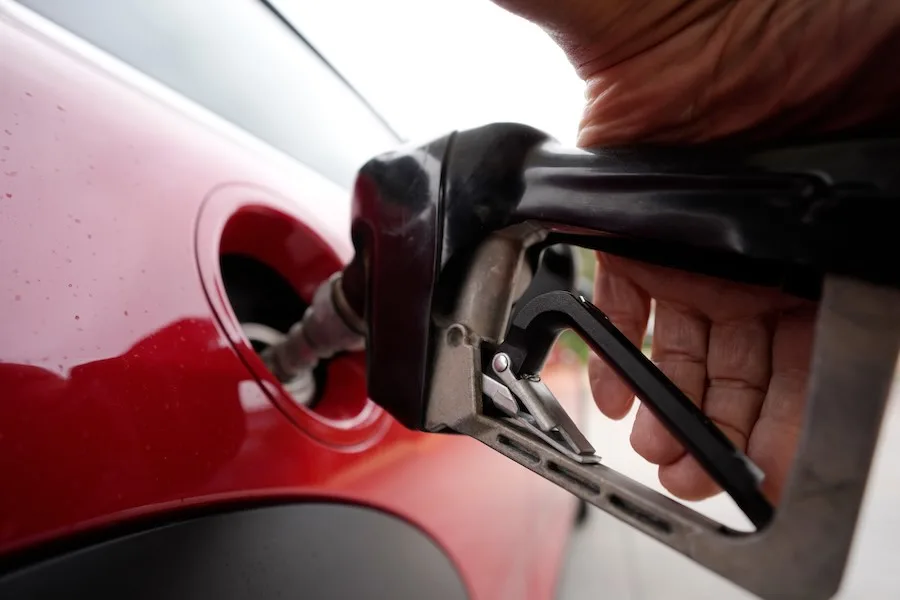
This inflation surge affects a broad range of everyday expenses, with costs climbing not only for gasoline but also for groceries, clothing, and electricity. These widespread price increases suggest inflation could be becoming more deeply rooted in the economy, a development that complicates the Federal Reserve’s mission to keep inflation near its 2% target. Core inflation, which excludes volatile food and energy prices, inched up to 3.3% annually, the highest since late 2023.

Rising inflation has translated into a decline in Americans’ financial well-being. After-tax incomes adjusted for inflation have fallen for three consecutive months, while inflation-adjusted consumer spending barely increased. This squeeze on purchasing power appears to be eroding consumer confidence and raising economic concerns as the country approaches upcoming midterm elections.
The Federal Reserve, under new leadership, faces a challenging landscape. Officials have suggested they may abandon prospects of interest rate cuts this year and could even consider raising rates in response to persistent inflation. This stance contrasts with optimistic messaging from the Trump administration, which downplays the impact of higher prices. President Trump and some key aides have minimized concerns about inflation and its ties to geopolitical tensions, including the conflict in Iran, with statements characterizing the increased costs as relatively minor.
Despite such political reassurances, Treasury officials have reiterated the hope that inflationary pressures will be temporary, reviving language previously employed by former Fed Chair Jerome Powell. However, economists warn that the current persistence of inflation could alter expectations and complicate economic recovery efforts.