

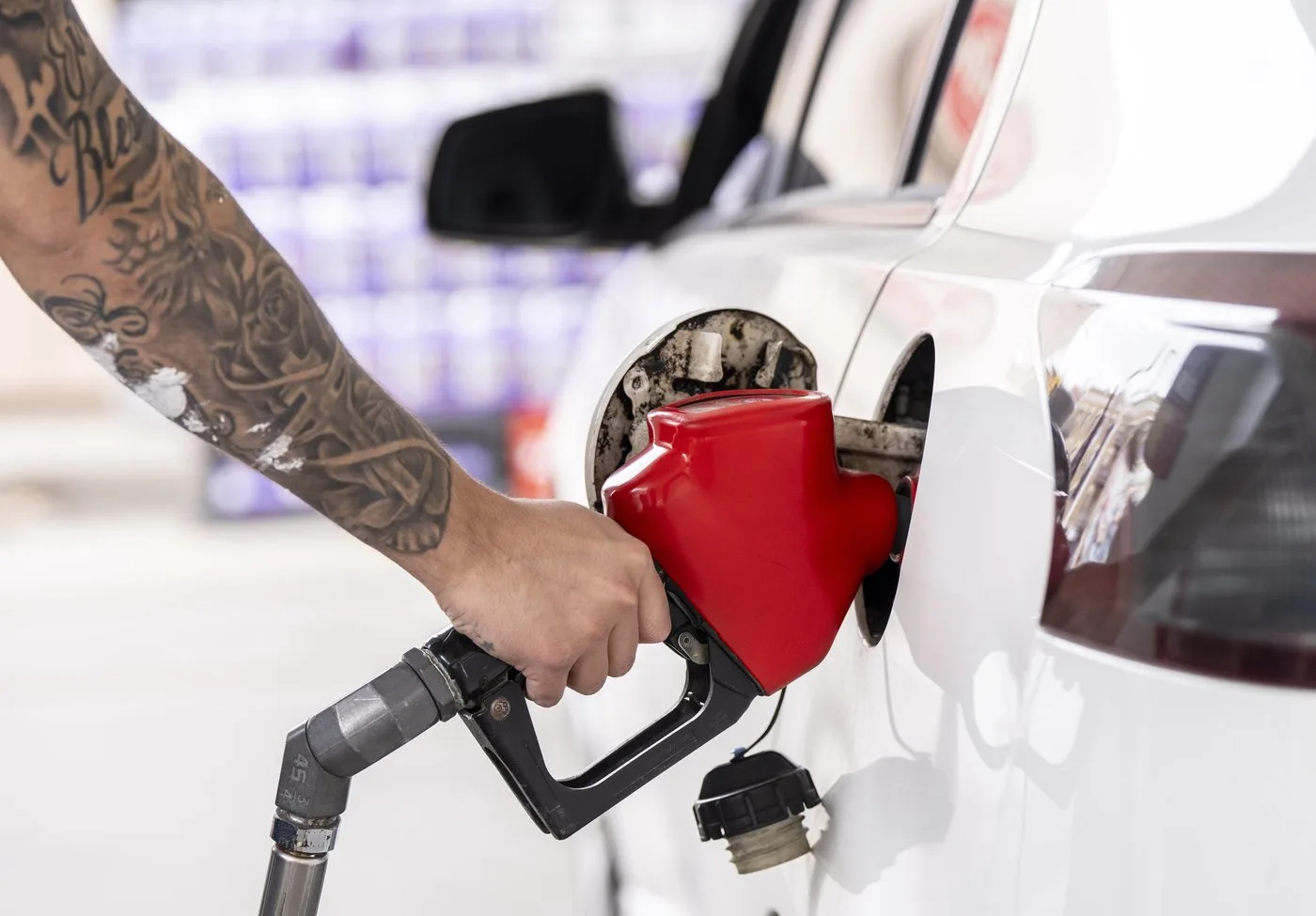
Canada’s annual inflation rate likely exceeded 3% in April, marking the first time since 2023 that the headline consumer price index has risen above that threshold. Economists attribute the surge primarily to escalating gasoline costs, which reflected ongoing disruptions in global oil supplies caused by the Iran war.
According to a Reuters poll compiled by LSEG Data & Analytics, inflation is projected to have climbed sharply to 3.1% in April from 2.4% in March. Gasoline prices jumped by an additional eight percent in April following a significant 21% increase the previous month. This rapid escalation stemmed from Iran’s closure of the Strait of Hormuz after U.S. and Israeli military actions restricted Gulf oil exports, pushing energy prices higher worldwide.

The inflation reading also factors in the discontinuation of a federal carbon price credit, which previously trimmed roughly 18 cents from the cost of regular gasoline. The government's removal of this relief in April 2025 removed a downward pressure on prices in the annual comparison, contributing to the headline inflation rise.
The inflation rate has typically remained within the Bank of Canada’s one-to-three percent target band for the past two years, having last briefly surpassed three percent in December 2023. The central bank has indicated it would initially tolerate the inflationary impact from energy price shocks related to the Iran conflict but is prepared to act to prevent inflation from becoming entrenched.
Economists at Royal Bank of Canada emphasized that while the gas price spike is driving current inflation, broader inflation concerns depend on whether energy cost increases spread to other sectors. Their analysis indicates that widespread inflationary pressures are unlikely unless the oil price shock is large and prolonged.
Several forecasts have been revised as a result of persistent high fuel prices. Desjardins updated its inflation outlook, now projecting a peak rate of 3.1% in the second quarter of 2026. This estimate is higher than their previous forecast, expecting inflation to run nearly one percentage point above prior projections this year and slightly elevated for 2027. The forecast assumes oil prices will average near US$100 per barrel through May before gradually easing to US$75 by the end of next year, with gasoline prices remaining approximately 30 cents per liter higher on average in 2026 and 2027 relative to preconflict levels.