

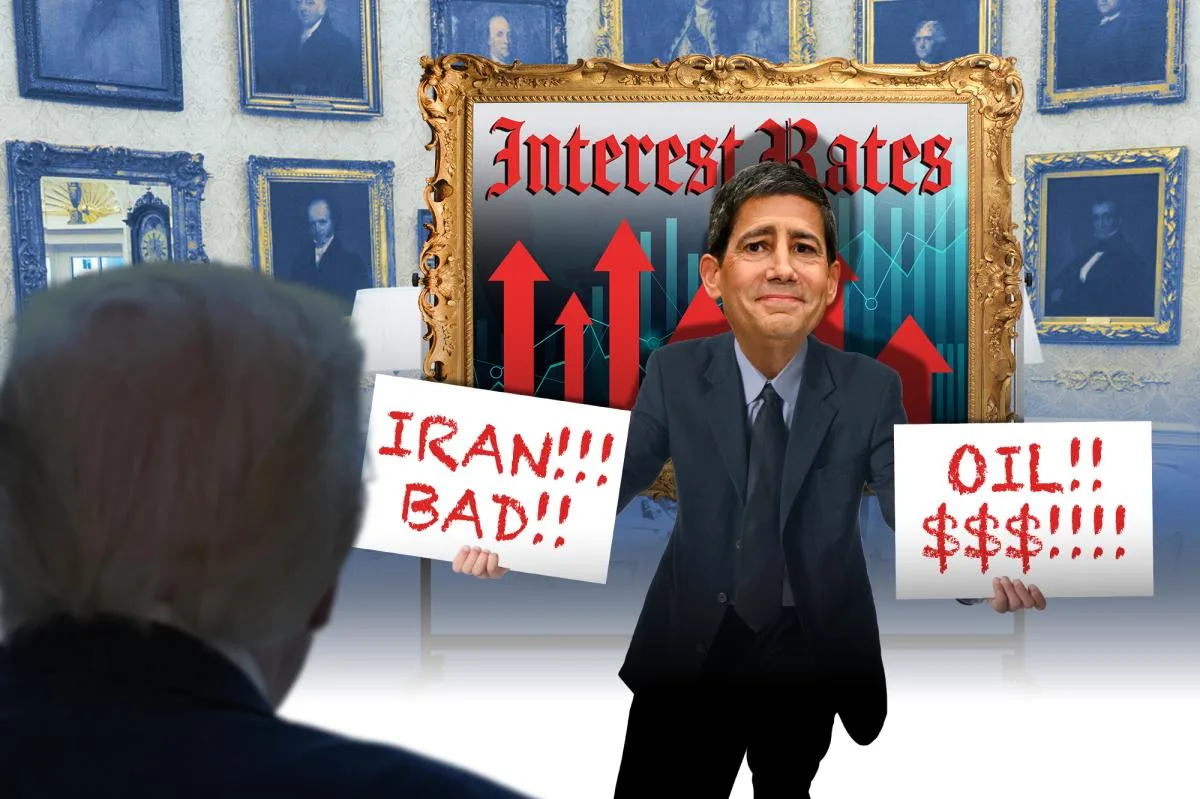
Kevin Warsh enters the Federal Reserve chairmanship tasked with navigating intense pressure from President Trump to lower interest rates, a demand complicated by inflationary pressures and internal Fed dynamics. His swearing-in ceremony at the White House will unfold under the glare of political scrutiny, signaling a shift from the usual low-profile events traditionally held at the Fed headquarters.
Trump’s insistence on rate cuts stems from frustration with Warsh’s predecessor, Jerome Powell, who resisted lowering rates and faced a politically charged investigation by the Department of Justice over congressional testimony. Powell’s decision to remain as a Fed governor suggests a strategy to maintain institutional independence and counterbalance presidential pressure despite Warsh leading the central bank.

Warsh’s position is further complicated by recent geopolitical tensions and a surge in oil prices triggering inflation. Many traders anticipate an interest rate increase rather than a cut this year, reflecting caution about the economic outlook. Sources familiar with Warsh’s approach doubt he will approve a rate hike, yet acknowledge he recognizes that short-term policy tools may have limited impact on long-term inflation, largely influenced by extensive post-pandemic liquidity expansions.
Insiders predict Warsh’s initial strategy will involve seeking Open Market Committee support for rate cuts. Failing that, he is expected to shift focus to broader Fed reforms aimed at strengthening economic research and policy-making processes, moving away from direct political confrontations. This redirection may help Warsh preserve the Fed’s credibility while managing the expectations of the Trump administration.