

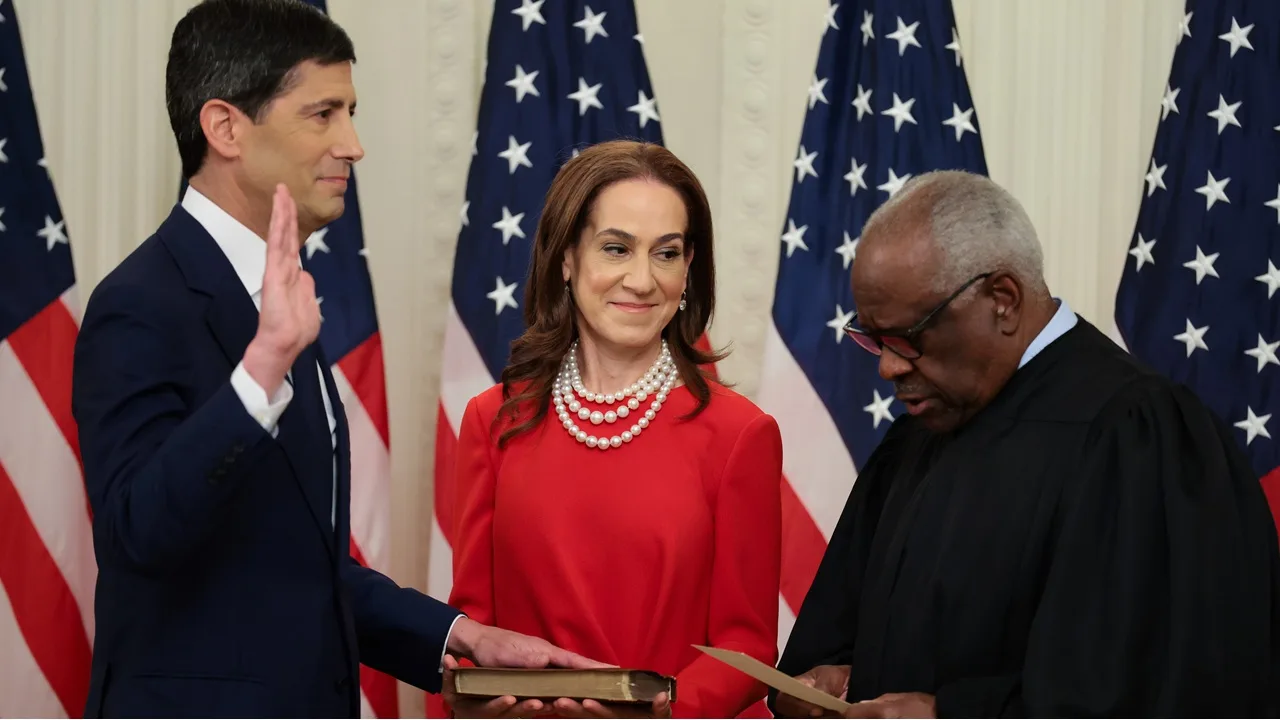
Kevin Warsh begins his tenure as Federal Reserve chair in the shadow of persistent economic turmoil tied to his predecessor’s management. Jerome Powell’s failure to curb the steep inflation surge that escalated during the early Biden administration has left Warsh with a formidable task: restoring credibility and steering monetary policy toward stabilizing prices and improving real wages.
Powell’s period in office was marked by a significant inflation increase that eroded purchasing power for American families. Inflation climbed sharply from a low point in the final year of the Trump administration to levels unseen in decades. Despite the Federal Reserve’s mandate to maintain price stability, Powell publicly aligned with the administration’s "transitory" inflation narrative, delaying decisive countermeasures. This approach has drawn widespread criticism, especially from financial experts who argue that with the Fed’s vast expertise and resources, the risks of inflation were well understood but politically downplayed.

This sustained failure to meet the Fed’s 2% inflation target for an extended period highlights the challenge Warsh faces. His reputation as a skilled economist with a broad perspective raises cautious optimism, but many observers acknowledge that reversing years of economic damage requires navigating a complex, politically charged landscape. Warsh must reconcile the competing demands of controlling inflation while supporting economic growth and wage restoration amid lingering skepticism about the Fed’s independence and effectiveness.
Economic professionals familiar with the bond and interest rate markets note that Powell’s mistakes were not mere oversights but seemingly calculated political decisions that prioritized administration narratives over economic realities. The consequence has been a prolonged period of real wage decline for many Americans, underscoring the urgent need for credible and effective monetary policy leadership.
As Warsh assumes control, his immediate priority will be to implement strategies to firmly bring down inflation without triggering undue economic hardship. This balancing act defines his challenging role and sets the stage for how monetary policy will evolve amid ongoing economic uncertainty.