

The aviation industry is facing a mounting shortage of qualified aircraft mechanics, with demand significantly outpacing supply. Research shows that job openings in this sector exceed the number of qualified candidates by 8 to 12 percent, a gap expected to reach 20 percent within the next few years. Aging workers, many nearing retirement, exacerbate the workforce decline.
Federal data indicates thousands of jobs remain unfilled annually, with projections of even more vacancies in the near future. Median wages for aircraft mechanics have risen sharply, reflecting the increasing need for trained professionals. Starting salaries range from $40,000 to $55,000, translating to hourly wages between $25 and $35, depending on location.

Recognizing this shortage, Congress implemented measures to accelerate training, reducing the educational timeline to four semesters for certification. Somerset Community College offers this program, which focuses on Airframe and Powerplant (A&P) maintenance—the core skills required for licensed aircraft mechanics. Tuition costs average around $2,500 per semester, but initiatives provide tuition assistance for recent high school graduates and displaced workers.
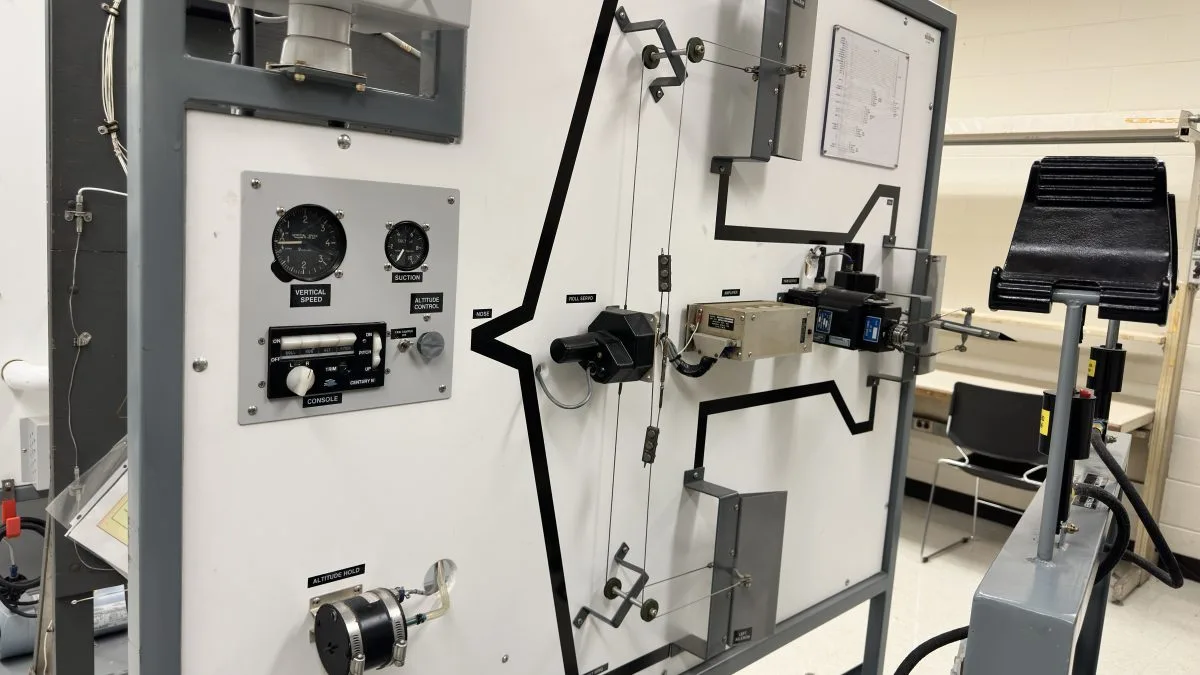
Training at the college combines classroom learning with practical experience. Students work on actual aircraft components, such as control surfaces, landing gear, avionics, and experimental planes, gaining hands-on skills needed for modern aviation maintenance. The program divides the curriculum between airframe and powerplant specialties, allowing students to qualify for federal certification tests in stages. Most participants pursue certification in both areas to increase their employability.
Federal Aviation Administration (FAA) certification requires passing rigorous exams covering maintenance procedures for aircraft structures and engines. Only after obtaining these certifications can graduates work independently on a variety of aircraft engines, including piston and jet types. Initially, new mechanics enter the workforce at entry-level salaries but can expect wage growth with experience.
The local training initiatives aim not only to fill the industry’s urgent demand but also to offer accessible career pathways for individuals seeking stable, well-paying employment in aerospace maintenance. With an aging workforce and expanding aircraft usage, the emphasis on streamlined, affordable training programs remains critical to sustaining the aviation sector’s skilled labor pool.