

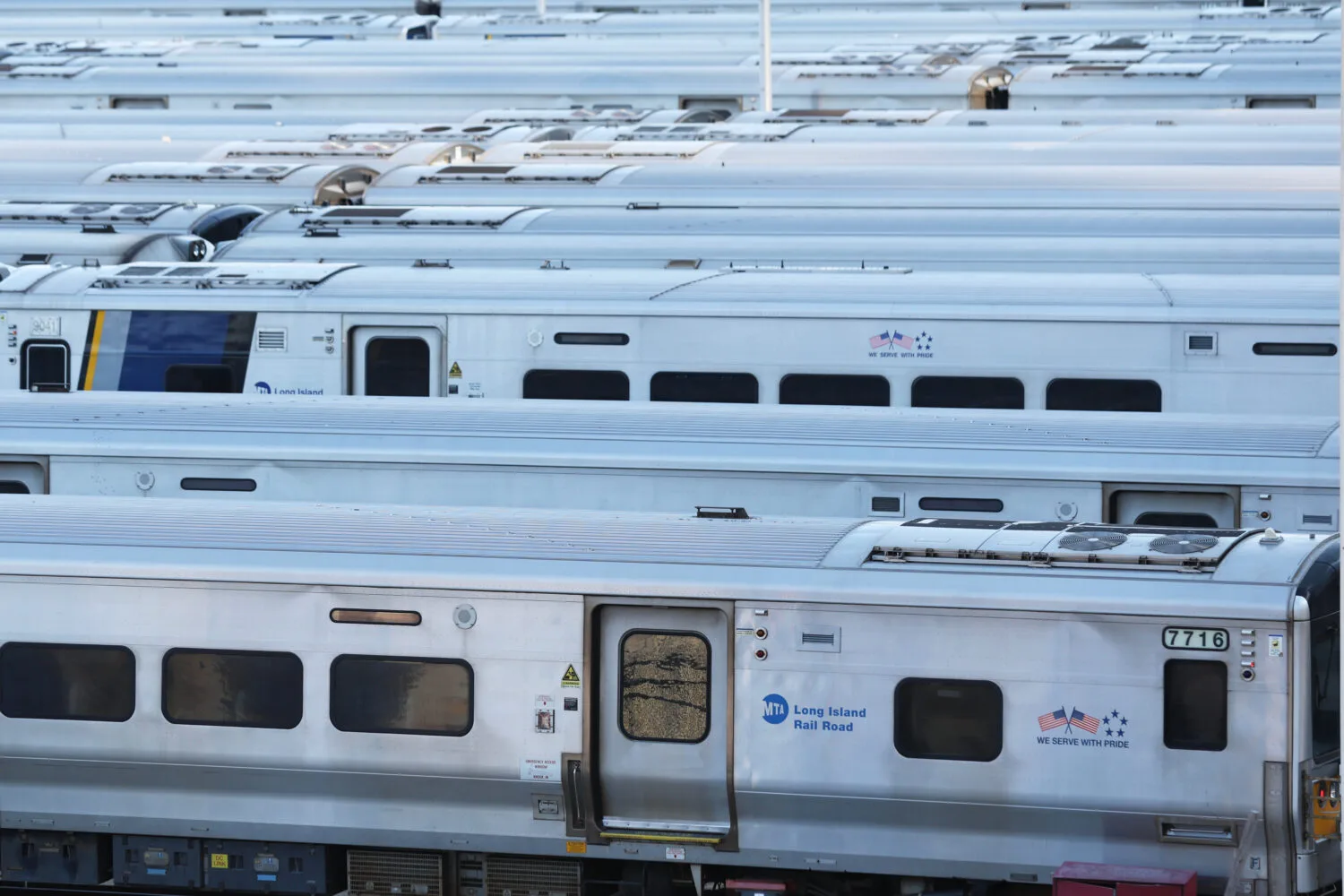
The Long Island Rail Road (LIRR), the busiest commuter rail system in the United States, will resume operations after a multi-day strike by union workers shut down service. Although trains will be running again, delays are expected during the morning commute, prompting railroad officials to advise riders to continue working remotely if possible.
The strike began early Saturday, involving five labor unions that represent roughly half of the LIRR’s workforce, including locomotive engineers, machinists, and signalmen. The walkout affected about 250,000 daily commuters who rely on the rail system to travel between New York City and its eastern suburbs. The disruption also forced changes in travel plans for sports fans attending major events at Citi Field and Madison Square Garden.

While the full contract details remain confidential until union members vote on the agreement, New York Governor Kathy Hochul assured that the deal would not result in fare hikes or new taxes. She emphasized that the deal aims to provide fair wages for transit workers amid inflation and rising living costs.
In the meantime, limited free shuttle buses continue to operate from select Long Island locations to New York City subway stations. Commuters like speech therapist Hallie Kessler, who endured a three-hour commute during the strike, welcomed the return of train service but remain cautious about the agreement's impact on future fares.
Negotiations between the Metropolitan Transportation Authority (MTA) and the unions had extended into 2023 but stalled over salary increases and healthcare costs. The MTA had warned that some union demands risked fare increases and could set challenging precedents for other transit negotiations.
This labor action marks the first significant strike by LIRR workers since a brief two-day strike in the mid-1990s, highlighting growing tensions in the region’s transit labor relations as negotiations continue to balance worker demands with financial constraints.